
What is DVA Convalescent Care? Post-Hospital Recovery Support for Veterans
Veterans often need focused support after a hospital stay or medical procedure to ensure a safe, smooth recovery. DVA convalescent care offers this essential support, providing access to medical assistance, rehabilitation programs, and personal care in qualified facilities. Designed for short-term recovery, these services help eligible veterans regain strength, enhance healing, and prepare to resume daily life with confidence.

Start Your Claim Today
Get expert help with the entire claims process and secure the entitlements you deserve. With zero upfront fees, you only pay for successful claims.
In this Article:
A Quick Guide to DVA Convalescent Care
DVA convalescent care provides short-term support to veterans recovering from hospital stays or medical procedures. This service offers medical, nursing, and rehabilitation assistance in approved facilities, promoting safe and effective recovery. Veterans can access these essential services with prior approval from DVA, ensuring a smoother transition back to daily life.
Who Qualifies for Convalescent Care Benefits?
Convalescent care benefits are available to eligible veterans who need short-term, focused recovery support following a hospital stay or medical procedure. These benefits ensure that veterans receive essential care in a safe environment, promoting effective recovery before they return home. Here’s an overview of who qualifies and the specific requirements.
Eligibility Criteria
Veterans can qualify for convalescent care under specific conditions, ensuring they receive necessary support based on their unique health needs.
- Veteran Card Holders: Veterans with a DVA Gold Card are eligible to access a full range of convalescent care services, regardless of the health condition. Veterans with a White Card may access convalescent care only for specific conditions that the DVA has recognised and accepted as related to their service.
- Gold Card Holders: Veterans with a DVA Gold Card are eligible for a full range of convalescent care services, regardless of the health condition requiring support.
- White Card Holders: White Card holders may access convalescent care for conditions that the DVA recognises and has accepted as service-related.
- Medical Need: Convalescent care benefits are available for veterans who have completed a hospital stay or undergone a medical procedure and require additional recovery support. This care is short-term and focuses on bridging the gap between hospital discharge and returning to daily life.
- Prior Approval: Veterans need prior approval from DVA to access convalescent care benefits. This approval confirms that the care meets DVA guidelines and is suitable for the veteran's specific recovery needs.

Types of Facilities
DVA-approved convalescent care is available in several facility types:
- Public and Private Hospitals: Veterans can choose public or private hospitals for convalescent care, depending on their specific needs and facility availability.
- Residential Aged Care Facilities: For veterans needing extended support beyond hospital care, residential aged care facilities provide tailored convalescent and rehabilitation services.
Additional Support Requirements
- GP or Medical Specialist Referral: A recommendation from a general practitioner or medical specialist may be required for admission into a convalescent care program.
- Duration of Stay: Convalescent care is generally for a limited period, ensuring veterans receive adequate support without prolonged stays.
Types of Convalescent Care Services Provided
DVA’s convalescent care services support veterans in their recovery after a hospital stay or medical procedure. These services help veterans regain strength and independence in a safe and structured environment. Here’s a breakdown of the types of convalescent care services veterans can access.

1. Medical and Nursing Support
Veterans in convalescent care receive essential medical and nursing support tailored to their recovery needs. This care includes:
- Medication Management: Ensures veterans receive the correct dosage and timing of their prescribed medications.
- Monitoring Vital Signs: Regular checks on blood pressure, temperature and other vital signs help track recovery progress.
- Wound Care: Assistance with dressing changes and wound monitoring promotes faster and safer healing.
2. Physiotherapy and Rehabilitation Services
Convalescent care often includes physiotherapy and other rehabilitation services. These therapies help veterans improve mobility and regain strength after surgery or illness.
- Physical Therapy: Veterans participate in exercises that target muscle strength, flexibility and balance.
- Occupational Therapy: Supports veterans in performing daily tasks, helping them return to normal routines.
- Speech Therapy (if needed): Helps veterans who have experienced speech or swallowing difficulties due to medical conditions.
3. Personal Care Assistance
Personal care services ensure veterans’ comfort during their recovery by assisting with daily living needs:
- Hygiene Support: Assistance with bathing, dressing and grooming.
- Mobility Aid: Support with moving around safely, including assistance with walking aids if necessary.
- Nutritional Support: Veterans receive meals suited to their dietary needs, ensuring they get the nutrition required for effective healing.
4. Mental Health and Emotional Support
Convalescent care includes essential mental health and emotional support to aid veterans during recovery. Veterans receive access to services that address both emotional and psychological wellbeing:
- Counselling: Professional guidance helps veterans navigate recovery challenges and process their experiences.
- Companionship and Social Interaction: Engaging with caring staff and fellow veterans helps alleviate isolation, fostering a sense of community and support during the recovery period.
5. Family and Caregiver Education
Convalescent care includes guidance for families and caregivers, preparing them to assist the veteran after their return home. This support includes:
- Care Planning: Instructions on managing medications, exercise routines and other aspects of care at home.
- Safety Education: Guidance on creating a safe home environment to prevent falls or accidents.
Private and Public Hospital Access for Convalescent Care
DVA convalescent care is available only through approved facilities, which may include select public and private hospitals. Veterans should confirm a facility's DVA-approved status before admission to ensure coverage. This allows veterans to select a suitable recovery environment that aligns with their care needs and preferences.
1. Access to DVA-Approved Private Hospitals
Eligible veterans can access DVA-approved private hospitals for convalescent care, often offering a quieter and more personalised recovery experience. Benefits of approved private facilities include:
- Specialised Attention: Many private hospitals have lower patient-to-staff ratios, enabling veterans to receive individualised attention.
- Enhanced Privacy: Private hospitals often provide private rooms, enhancing comfort and privacy during recovery.
- Choice of Providers: Some private hospitals allow veterans to select their preferred doctors and specialists, offering continuity and familiarity in care.
2. Access to DVA-Approved Public Hospitals
Veterans can also access convalescent care in approved public hospitals, which provide comprehensive recovery services, often with no out-of-pocket cost. Approved public hospitals offer:
- Comprehensive Services: These facilities are equipped to manage various post-hospitalisation needs, including physical therapy and rehabilitation.
- Collaborative Care Teams: Public hospitals often employ multidisciplinary teams to address veterans’ recovery needs, from physical to emotional health.
- Widespread Accessibility: Public hospitals are often located in more regions, making it easier for veterans to find care close to home.
3. Choosing Between Public and Private Hospitals
When selecting a DVA-approved facility, veterans may consider several factors:
- Location: Proximity to family and friends can make a significant difference in support and visitation ease.
- Specific Health Needs: Veterans with unique medical requirements may prefer private hospitals if they offer specialised services not available at nearby public hospitals.
- Cost Coverage: Veterans must confirm the facility’s DVA-approved status to ensure convalescent care costs are fully covered, helping to avoid any unexpected expenses.
4. Referral and Prior Approval
Regardless of the hospital type, veterans require a referral and prior DVA approval to access funded convalescent care. This ensures that the care aligns with the veteran’s medical needs and follows DVA standards for safety and quality. Veterans or their families can discuss these options with a discharge planner or their GP to determine the best setting for recovery.
How to Arrange Admission for Convalescent Care
Arranging admission for DVA-funded convalescent care involves a series of clear steps to ensure veterans receive the necessary support during recovery. From referrals to approvals, the process helps ensure that care is both appropriate and aligned with the veteran's medical needs.
Step 1: Obtain a Referral
The first step for accessing DVA-funded convalescent care is securing a referral. Veterans require a referral from either a GP, a treating doctor in a hospital, or a discharge planner. This referral assesses the veteran's need for convalescent care and confirms that such care will aid in their recovery after a hospital stay.
- Who Can Provide Referrals: Referrals can be made by GPs, hospital-based doctors, or discharge planners.
- Purpose: The referral ensures that DVA convalescent care is clinically necessary and beneficial for the veteran’s specific recovery needs.
Step 2: Seek Prior Approval from DVA
Before a veteran can enter a convalescent care facility, prior approval from DVA is required. This approval confirms that the care aligns with DVA’s eligibility criteria and service standards. The approval process verifies that the convalescent care provider and the type of care meet DVA’s requirements for quality and safety.
- Submission: Veterans or their caregivers should send the referral and necessary documents to DVA for review.
- Confirmation: DVA will confirm the approval status, and it’s essential to have this in place before admission to avoid potential costs.
Step 3: Choose a DVA-Approved Facility
Once approval is granted, veterans or their families should select a DVA-approved convalescent care facility. DVA maintains a list of approved institutions that meet the standards for veteran care. Veterans can choose between private and public facilities, depending on their needs and availability.
- Public vs. Private Options: Veterans may select a public or private hospital, depending on their recovery preferences and facility availability.
- Access to Approved Facilities: Choosing a DVA-approved facility ensures that costs are covered, and veterans receive the required level of care.
Step 4: Coordinate Admission with the Facility
With DVA approval and a selected facility, the next step is coordinating admission. The veteran or their family should contact the chosen facility to schedule the admission date and arrange any necessary details.
- Admission Arrangements: The facility will assist with setting up the admission, including any specific care requirements based on the referral.
- Prepare Documentation: Bring the DVA approval, referral, and any additional medical documentation required by the facility.
Rehabilitation and Recovery in Convalescent Care
DVA-funded convalescent care prioritises comprehensive rehabilitation and recovery to help veterans regain strength, enhance mobility, and improve overall wellbeing after a hospital stay. This support includes personalised recovery plans and structured assistance, designed to ease the transition from hospital care back to daily life. Veterans should confirm the DVA-approved status of facilities to ensure full coverage of rehabilitation costs and avoid unexpected expenses.
1. Personalised Rehabilitation Plans
Each veteran benefits from an individualised rehabilitation plan tailored to their specific needs. These plans are developed by healthcare professionals who assess the veteran’s health and set achievable recovery goals, focusing on areas where support is most needed.
- Individualised Care: Rehabilitation plans address targeted needs, such as mobility, balance, and pain management.
- Rehabilitation Goals: Plans aim to foster independence and reduce reliance on assistance, empowering veterans to actively participate in their recovery.
2. Core Supportive Services
Convalescent care provides core services to support veterans in their rehabilitation process. While physiotherapy and occupational therapy are standard, additional specialised services, like speech therapy, may require separate DVA approval.
- Physiotherapy: Physical therapy sessions help veterans rebuild strength and mobility. Exercises are designed to promote faster recovery.
- Occupational Therapy: Occupational therapists help veterans regain essential daily skills, such as dressing and bathing.
- Mental Health Support: For veterans needing mental health assistance, convalescent care may include counselling to support emotional wellbeing.
3. Health Monitoring and Progress Tracking
Veterans receive regular health monitoring to track their progress and adjust treatment plans as needed. This ongoing assessment ensures that rehabilitation remains effective and adaptable to each veteran’s unique response.
- Routine Assessments: Nurses and therapists conduct regular evaluations of the veteran’s overall health and progress.
- Adjustments to Care: Care plans are modified based on progress, whether slower or faster than expected, to meet evolving needs.
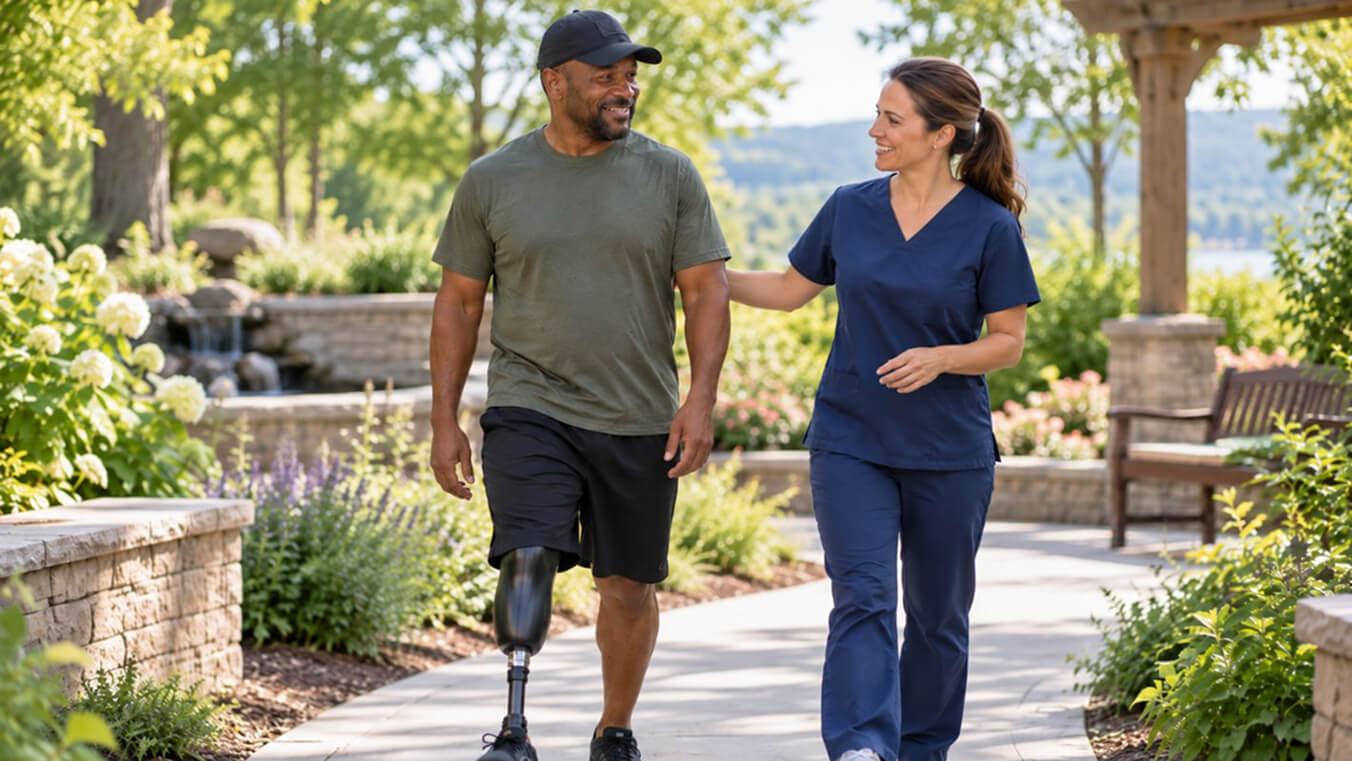
4. Transitioning to Home Care
The final stage of convalescent care prepares veterans for a smooth transition to home care. This includes guidance on exercises to continue independently, information on additional resources, and setting up follow-up care with local providers.
- Home Exercise Programs: Veterans receive exercises to maintain their progress once they leave the facility.
- Community Resource Connections: Veterans may also receive information about local support services to assist with ongoing recovery.
Key Benefits of DVA Convalescent Care
DVA convalescent care provides essential support for veterans recovering from hospital stays, helping them regain health and strength before returning to daily life. This service is tailored to meet each veteran’s recovery needs, offering a range of benefits that improve comfort, safety, and independence during rehabilitation.
1. Personalised Care Plans
Each veteran in convalescent care receives a personalised care plan created by healthcare professionals. This plan addresses specific needs based on the veteran’s condition, recovery goals, and any existing health concerns.
- Targeted Recovery: Care plans focus on addressing areas that need the most support, like mobility, strength, or daily skills.
- Holistic Approach: The plan includes various types of therapy, such as physical and occupational therapy, ensuring comprehensive support.
2. Physical and Emotional Support
Convalescent care offers a blend of physical and emotional support, promoting recovery in all areas. The combination of medical and therapeutic support helps veterans heal more effectively, with a focus on both body and mind.
- Physiotherapy and Occupational Therapy: Physical therapy helps rebuild strength, while occupational therapy assists veterans in regaining skills for daily activities.
- Mental Health Resources: Veterans have access to mental health services like counselling, addressing any emotional challenges associated with recovery.
3. Safe and Structured Environment
A convalescent care setting offers veterans a safe, structured environment where they can recover without the pressures of managing daily tasks. This environment is designed to prevent injury, provide round-the-clock care, and allow veterans to focus fully on healing.
- 24/7 Monitoring: Nurses and other professionals provide consistent care and supervision to ensure veterans’ safety.
- Risk Reduction: The controlled setting reduces the chance of re-injury or health setbacks, allowing a smooth recovery.
4. Smooth Transition to Home
DVA convalescent care is designed to prepare veterans for a successful transition back home. By building strength and daily skills, veterans leave care equipped to handle life at home with less assistance.
- Home Care Guidance: Veterans receive tips on home exercises and self-care routines to maintain their progress.
- Resource Connections: Veterans gain information about additional DVA resources or local support for continuous recovery.
5. No Out-of-Pocket Costs for Eligible Veterans
For eligible veterans, DVA convalescent care is typically covered, minimising financial stress for veterans and their families. Veterans should confirm the DVA-approved status of their selected facility to ensure full cost coverage and avoid any unexpected expenses.
How to Apply for DVA Convalescent Care Benefits
Applying for DVA convalescent care benefits involves a few key steps to ensure that veterans receive the support they need during recovery. Eligible veterans, especially those who have recently been discharged from the hospital, can follow this straightforward process to access DVA-funded convalescent care.
1. Check Eligibility for Convalescent Care
The first step is to verify eligibility. Veterans with a DVA Gold or White Card may qualify, but the type of card determines the level of care covered. Gold Card holders are typically eligible for a broader range of services, while White Card holders may only receive care for conditions that DVA has accepted as related to their service.
- Gold Card: Covers comprehensive care for all health needs.
- White Card: Covers care for specific service-related conditions.
2. Obtain a Referral from a Medical Professional
Veterans will need a referral from a healthcare provider, such as a GP or hospital discharge planner, to apply for convalescent care. This referral verifies that convalescent care is medically necessary for recovery and outlines the type of care required.
- GP or Hospital Referral: Ensure the referral specifies convalescent care and any essential services.
- Supporting Documentation: Have relevant medical records ready to support the application.
3. Submit the Application to DVA
Once you have the referral, submit the application to DVA for approval. You can send the application directly or work with a discharge planner or healthcare provider to facilitate the submission.
- Send to DVA: Use email or postal options to send your application.
- Prior Approval: Ensure you have received DVA’s approval before beginning care, as services require prior authorisation.
4. Await Approval and Begin Care
After applying, await DVA’s approval. This process confirms the veteran's eligibility and verifies the need for convalescent care. Once approved, veterans can arrange for admission to a qualified facility or provider.
- Approval Confirmation: DVA will notify you once they approve the application, allowing care to begin.
- Arrange Admission: Work with the approved provider to schedule care, ensuring that all necessary arrangements are in place.
Accessing Essential Convalescent Care for Recovery
DVA convalescent care offers veterans essential recovery support to ease the transition back to daily life with strength and confidence. By understanding eligibility and navigating the application process, veterans can access the specialised care they need—whether for post-surgery rehabilitation or focused short-term support. These services prioritise your health, helping you regain mobility, independence, and wellbeing. Contact the DVA or your healthcare provider today to take the next step in your recovery journey.
Written by

Common DVA FAQs
Have other questions?
Contact us so we can help.
Convalescent care is intended as a short-term solution following a stay in hospital, typically to bridge the transition from hospital to home. Duration depends on individual recovery needs. Veterans should coordinate with their GP or hospital discharge planner for a stay that suits their health goals.
While convalescent care supports short-term recovery, residential respite care cannot substitute for ongoing rehabilitation or long-term treatment. Residential respite care offers temporary relief to caregivers but doesn’t serve as a replacement for focused convalescent care following an original hospital admission.
DVA convalescent care offers a range of support, including medical monitoring, physiotherapy, occupational therapy, and personal care. Veterans receive assistance with daily needs, mental health resources, and guidance for transitioning back home. This care is structured to meet both physical and emotional recovery goals.
START YOUR CLAIM
Book a Free Call
Join more than 10,000 veterans in getting the support they deserve. Leave us a note and our experts will be in touch shortly to discuss your new claim or claim reassessment.
Zero upfront fees – only pay for successful claims
10,000+ veterans served – we know what we're doing
Australia's largest DVA advocacy group
Explore Related Articles

DVA Home Care Package Level 4: Essential Guide to Care Services, Costs and Eligibility

Comprehensive Guide to DVA Home Care Services for Veterans