
DVA Respite Care: Supporting Veterans and Carers With Aged Care Solutions
DVA respite care provides essential short-term support for veterans and their carers, helping manage care needs while offering carers a well-deserved break. Whether through in-home services or residential respite, this program ensures veterans receive quality care tailored to their needs. This guide explains how to access these services, their benefits, and eligibility requirements.

Start Your Claim Today
Get expert help with the entire claims process and secure the entitlements you deserve. With zero upfront fees, you only pay for successful claims.
In this Article:
A Quick Guide to Veteran’s Home Care Respite Program
Through the Veterans’ Home Care (VHC) Respite Program provides short-term support for eligible veterans and their carers. It includes in-home care and residential respite, offering relief for carers and ensuring veterans receive quality care. Services are flexible, affordable, and designed to maintain the wellbeing of both veterans and carers.
What Is the VHC Respite Program?
The VHC Respite Program provides temporary care solutions for eligible veterans and their carers. This program ensures veterans receive professional support tailored to their needs while carers can take a break to rest or manage other responsibilities. The program helps reduce the burden of ongoing care and supports veterans’ overall wellbeing.
Who Is Eligible for the VHC Respite Program?
The VHC Respite Program provides flexible care options for veterans and their carers. Eligibility is determined to ensure those in need receive timely and appropriate support.
Eligibility for Veterans
Veterans can access the program if they meet the following requirements:
- Hold a DVA Gold Card or a White Card (White Card eligibility applies only to specific health conditions).
- Are assessed as needing respite care by a VHC Assessment Agency or an Aged Care Assessment Team (ACAT).
- Require short-term care due to age, health concerns, or changing care needs.

Eligibility for Carers
The program also supports carers who provide ongoing care. Carers can arrange respite services when they:
- Need a temporary break to rest or handle other responsibilities.
- Cannot provide care temporarily due to illness, injury, or other personal circumstances.
Assessment Process
To access the program, follow these steps:
- Contact the VHC Assessment Agency to begin the assessment process. A referral from a GP or health professional can also assist.
- Provide Relevant Details: Share information about the veteran’s health needs and the carer’s role.
- Receive a Recommendation: The agency will determine the most suitable care option—in-home respite care or residential respite care.
- Further Assessment (if required): If residential respite care is needed, an ACAT assessment may follow to confirm eligibility.
Types of Respite Care Offered Under the Program
The VHC Respite Program offers two types of temporary care solutions: in-home respite care and residential respite care. Both options allow veterans to receive quality care while carers take necessary time away.

In-Home Respite Care
In-home respite care allows veterans to stay at home while carers take a short break. Services include:
- Personal Care: Assistance with bathing, dressing, and grooming.
- Support Services: Help with cleaning, cooking, and grocery shopping.
- Community Nursing Support: Basic healthcare such as medication reminders or health monitoring.
Veterans can access up to 196 hours of in-home respite care per year. Care is usually provided in blocks of up to 3 hours per session. If additional support is needed, a reassessment can help determine further care options.
Residential Respite Care
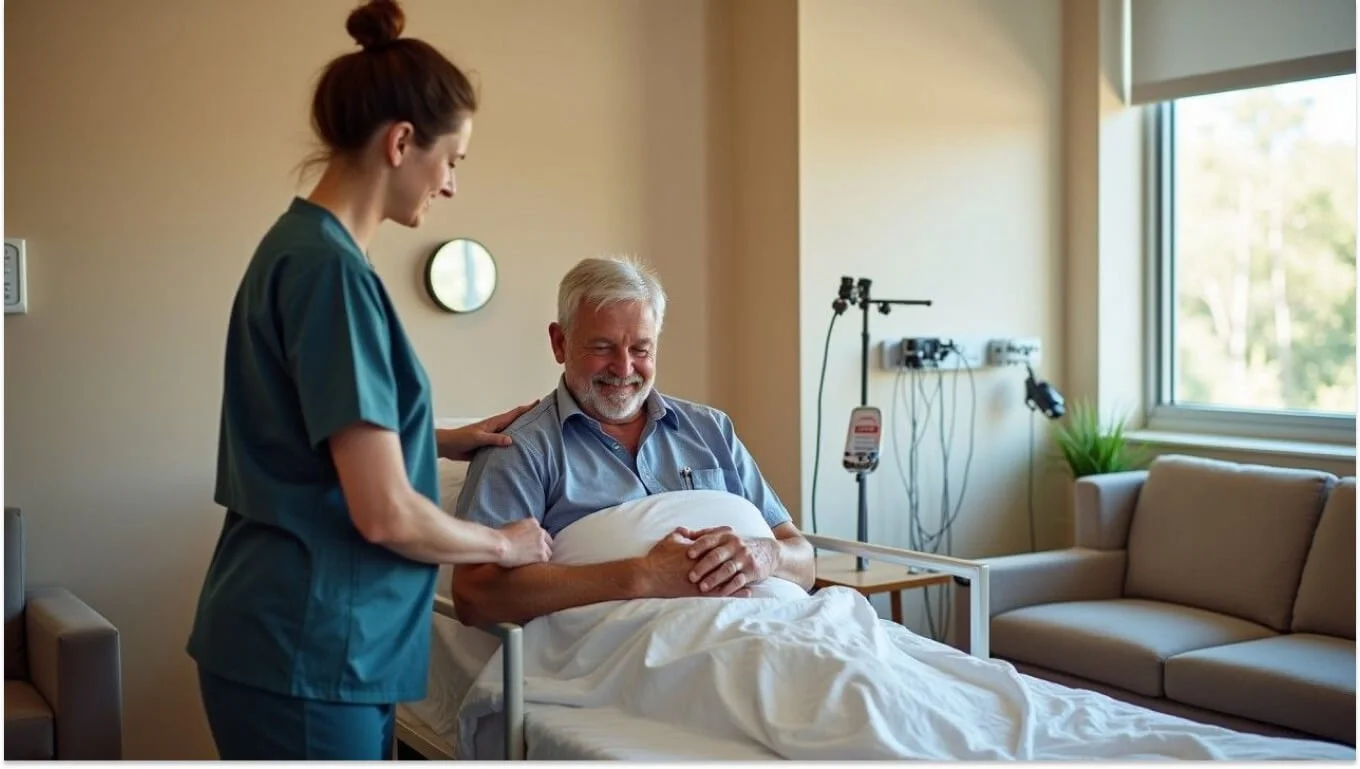
Residential respite care offers temporary stays in approved aged care facilities, providing essential support when carers need extended breaks. This ensures veterans receive safe, supervised care in a professional environment.
Services Available:
- Daily Living Assistance: Help with activities like bathing, dressing, meals, and personal care in a supportive setting.
- Temporary Accommodation: A secure and comfortable environment where veterans can stay for short periods.
- Health Support: Basic care services, including health monitoring, delivered by qualified staff to ensure veterans’ wellbeing.
Care Limits and Flexibility:
Veterans can access up to 28 days of residential respite care per financial year. This allocation can be used as a single stay or divided into multiple shorter stays based on individual needs and preferences.
How to Arrange Residential Respite Care:
- Contact the VHC Assessment Agency: Start the process with an initial assessment to determine suitability.
- Complete a VHC Assessment: The agency will confirm eligibility and recommend residential respite care.
- Approval for Care: If needed, an Aged Care Assessment Team may further assess care requirements.
- Coordinate Care Services: Arrange care with an approved aged care provider to finalise details.
This program ensures veterans receive professional, high-quality care while carers can take much-needed time to rest and focus on other commitments.
How to Access Respite Care Through VHC
Accessing respite care through the VHC Program ensures veterans and carers receive timely, essential support. Follow these clear steps to start the process:
Step 1: Contact the VHC Assessment Agency
Begin by contacting the VHC Assessment Agency for your state to discuss care needs. Each state has its own VHC Assessment Agency, ensuring local access to services. Veterans or carers can also seek assistance from a GP or health professional to provide a referral and help initiate the process.
Step 2: Complete the VHC Assessment
Your state’s VHC Assessment Agency will evaluate eligibility and care requirements. This includes:
- Confirming the veteran’s need for short-term in-home or residential respite care.
- Reviewing health conditions and the carer’s role in providing ongoing support.
If the veteran requires extended residential respite care, the agency may refer them to an Aged Care Assessment Team for further evaluation. Team for further evaluation.
Step 3: Approval and Arranging Care Services
Once the assessment is complete and eligibility is confirmed:
- The agency will recommend the most appropriate care option.
- Care services are coordinated with an approved aged care provider for either in-home respite care or short-term residential care.
Step 4: Costs and Fees
- Veterans accessing residential respite care may need to pay the basic daily care fee.
- The DVA may cover this fee for eligible veterans, reducing financial pressure.
- In-home respite care is provided based on assessed hours and does not involve this fee.
Step 5: Review and Monitor Care Services
Veterans and carers should regularly review their care arrangements to ensure ongoing needs are met. If care requirements change, contact your state’s VHC Assessment Agency to request a reassessment.
Taking the Next Step for VHC Respite
The VHC Respite Program provides essential short-term support for veterans and their carers, helping reduce stress, improve wellbeing, and ensure quality care while carers take a well-deserved break. By understanding eligibility and accessing the right services, veterans and carers can receive tailored support when it’s needed most. Contact the VHC Assessment Agency today to get started and discover how this program can bring relief and peace of mind to you and your loved ones.
Written by

Common DVA FAQs
Have other questions?
Contact us so we can help.
Yes, eligible veterans can access government-funded aged care services through the VHC Respite Program. These services provide short-term care solutions, including in-home respite or residential respite care, ensuring veterans receive quality support while carers take a break.
Absolutely. Carers who provide ongoing support for veterans can access respite services when they need a short break to rest, recover, or manage personal commitments. This program ensures carers get the time they need while the veteran continues to receive proper care.
Residential respite care offers short-term stays in approved aged care facilities. Veterans receive personal care, supervision, and assistance with daily activities like bathing, dressing, and meals. This option ensures veterans remain safe, comfortable, and supported while carers are temporarily unavailable.
START YOUR CLAIM
Book a Free Call
Join more than 10,000 veterans in getting the support they deserve. Leave us a note and our experts will be in touch shortly to discuss your new claim or claim reassessment.
Zero upfront fees – only pay for successful claims
10,000+ veterans served – we know what we're doing
Australia's largest DVA advocacy group
Explore Related Articles

DVA Care Plan: Coordinating Comprehensive Support for Australian Veterans

Comprehensive Guide to DVA Home Care Services for Veterans