

DVA Palliative Care: A Veterans Guide to Health, Community Support and Care
Access to DVA palliative care ensures veterans receive the right support in their final stages of life. Palliative care focuses on pain relief, symptom management and quality of life rather than curing illness. DVA funds various services, including home-based care, hospice support and hospital treatment. Eligibility depends on the veteran’s DVA card type and medical needs. Navigating the system can be complex, but understanding available options helps veterans and families make informed choices. This guide explains who qualifies, what services are covered and how to apply.

Start Your Claim Today
Get expert help with the entire claims process and secure the entitlements you deserve. With zero upfront fees, you only pay for successful claims.
In this Article:
A Quick Guide to Palliative Care
DVA does not offer a dedicated "DVA Palliative Care" program but funds palliative care services through multiple programs. The Community Nursing Program provides in-home nursing and palliative care, while the Veterans’ Home Care (VHC) Program offers short-term in-home assistance but not long-term care. DVA-funded hospital care covers specialist treatment in hospitals, and allied health support funds medical equipment, pain management and home modifications if pre-approved. Understanding these programs helps veterans access the proper care without delays.
What Is Palliative Care for Veterans?
Palliative care provides comfort and support for people with serious illnesses. It focuses on pain relief, symptom management and emotional wellbeing rather than curing a disease. For veterans, access to quality end-of-life care is essential to ensure dignity and comfort in their final stages of life.
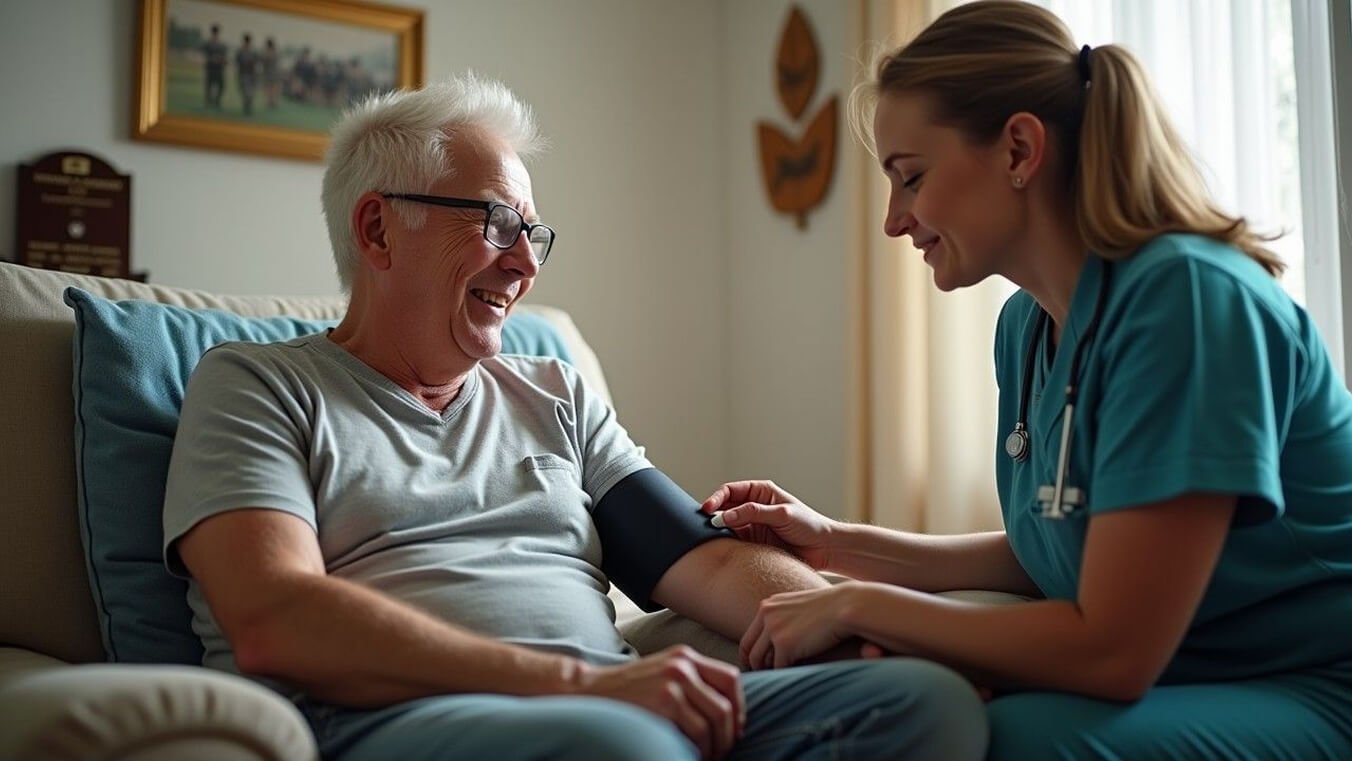
How DVA Supports Veterans With Palliative Care
DVA provides funding for various palliative care options to meet the needs of eligible veterans. These services include:
- Home-based palliative care: Helps veterans stay at home with nursing support and medical equipment.
- Hospice and community care: Offers specialist palliative care in a dedicated facility.
- Hospital palliative care: Provides intensive treatment in a hospital setting.
- Respite care for families: Allows carers to take a break while professionals care for veterans.
Why Understanding Your Options Matters
End-of-life care should align with the veteran’s personal preferences and medical needs. Knowing what services are available ensures they receive the right support at the right time.
- Choosing the right care: Some veterans prefer home-based care, while others may need hospital support.
- Maximising DVA funding: Using DVA-approved providers can reduce costs and simplify care access.
- Avoid delays: Early doctor consultations and understanding eligibility prevent last-minute stress.
Navigating DVA-funded palliative care can be complex. Professional guidance can help veterans and their families understand their entitlements and secure appropriate care.
Who Is Eligible for DVA-Funded Palliative Care?
DVA funds palliative care for eligible veterans based on their healthcare entitlements. Access to these services depends on the type of DVA card held. Veterans must meet specific criteria to receive care under DVA’s funding programs.
Gold Card Holders
Veterans with a Gold Card receive full coverage for all clinically required palliative care services. This includes:
- Home-based palliative care: Nursing and medical support in the veteran’s home.
- Hospital-based palliative care: Specialist pain management and symptom control.
- Community palliative care: End-of-life care provided in a hospice or residential setting.
- Respite care: Short-term relief for carers.
Gold Card holders do not need to prove their service-related condition to qualify for these services.
White Card Holders
Veterans with a White Card can access palliative care only if it is for an accepted service-related condition. This includes:
- Home-based palliative care: Nursing and medical support at home.
- Hospital-based palliative care: Specialist pain management and symptom control.
- Community nursing services: Care provided by DVA-approved nurses.
Before care begins, the DVA must confirm eligibility based on the accepted condition.
Veterans Home Care (VHC) Program
The VHC Program does not provide complete palliative care, but it offers limited short-term in-home assistance for veterans awaiting hospital or residential placement.
- Services covered:
- Basic nursing care (short-term only).
- Personal care assistance (e.g., bathing, dressing).
- Domestic support (e.g., cleaning, meal preparation).
- Limitations:
- VHC does not fund hospital or hospice palliative care.
- Veterans must apply and undergo an assessment to determine eligibility.
How to Choose the Right Palliative Care Option for You
Choosing the right palliative care ensures comfort and dignity in the final stages of life. DVA funds different care settings based on medical needs, personal preferences and eligibility. Veterans should consider where they feel most comfortable and the level of nursing and specialist support required.

Types of Palliative Care Settings
1. Home-Based Palliative Care: Home-based care allows veterans to receive treatment in familiar surroundings. This option suits those who prefer to stay close to family while managing pain and symptoms. Services include:
- Nursing care: Support from trained professionals.
- Medical equipment: Beds, wheelchairs and mobility aids.
- Personal assistance: Help with daily activities like bathing and dressing.
Veterans must have a medical assessment to confirm that home-based care meets their needs.
2. Community and Hospice Care: Hospices and community palliative care facilities provide specialist end-of-life support in a calm and structured setting. These facilities focus on comfort and symptom management, not active treatment. Services may include:
- 24-hour nursing care for ongoing medical supervision.
- Pain management and symptom relief to improve comfort.
- Counselling and emotional support for veterans and their families.
This setting suits veterans needing continuous care but not hospital treatment.
3. Hospital-Based Palliative Care: Veterans needing intensive medical treatment may receive palliative care in a hospital. This setting is best for those with severe symptoms or complex health conditions. Services include:
- Specialist pain management and symptom control.
- Advanced medical treatments for critical conditions.
- Immediate access to doctors and nurses for emergency care.
Hospitals provide urgent care and clinical oversight, making them ideal for critical conditions.
Choosing the Right Provider
Selecting a DVA-approved provider ensures veterans receive the best care without unexpected costs. Consider these factors:
- Level of care required: Choose a setting based on medical needs.
- Personal comfort: Some veterans prefer home care, while others may feel safer in a facility.
- Access to specialists: Ensure the provider offers nursing and medical support.
- Funding eligibility: Confirm whether DVA will pay for the selected provider.
Veterans can switch providers if their needs change. Seeking expert guidance simplifies the process and avoids delays.
What Palliative Care Services Are Covered by DVA?
DVA funds various palliative care services to help eligible veterans receive support. These services focus on comfort, symptom relief and quality of life. The level of care depends on the veteran’s eligibility and medical condition.
Overview of Palliative Care Services
Key Updates:
✅ White Card holders can only access palliative care if the care is related to an accepted service-related condition.
✅ Some medical equipment and home modifications require DVA pre-approval for Gold Card holders.
❌ Private palliative care is not covered unless provided by a DVA-approved provider.
Understanding Private Palliative Care and DVA Funding
DVA funds public palliative care services, ensuring eligible veterans receive support in hospitals, aged care facilities, and their own homes. However, some veterans may prefer to use private providers, and in these cases, funding rules change.
Does DVA Fund Private Palliative Care?
- DVA only funds private palliative care if the provider is DVA-approved.
- If a veteran chooses a non-DVA provider, they must cover all costs privately.
- Some out-of-pocket expenses may apply if DVA partially covers a service.
How DVA Funding Works for Private Care
- The provider must have a DVA agreement to receive funding.
- DVA does not cover services from unapproved providers.
- Prior approval may be required for some specialist treatments.
Transport Assistance for Palliative Care
DVA may fund transport for palliative care appointments and treatments, depending on:
- The veteran’s location (metro vs. regional).
- Whether community transport is available.
- If the provider is DVA-approved.
Veterans should check transport entitlements before booking travel.
How to Access DVA-Funded Palliative Care
Veterans must follow a structured process to receive DVA-funded palliative care. Each step ensures that care is clinically required and approved under DVA funding programs. Veterans should apply early to avoid delays in access.
Step-by-Step Guide to Applying
1. Consult a GP or Specialist: A doctor must confirm that palliative care is clinically required. They will:
- Assess symptoms and determine care needs.
- Provide a referral to a DVA-approved provider for palliative care services.
- Recommend a suitable care setting (home, hospice or hospital)
2. Verify Eligibility: Veterans must confirm their DVA eligibility before arranging care. This depends on the type of DVA card held:
- Gold Card holders: Receive full coverage for all palliative care services.
- White Card holders: Only eligible for palliative care if the care relates to an accepted service-related condition.
3. Select a DVA-Approved Provider: Veterans must choose a DVA-approved provider for funding to apply. Options include:
- Community nursing providers for home-based palliative care.
- Hospitals with DVA agreements for inpatient care.
- Approved residential or hospice facilities for community-based palliative care.
If DVA does not approve the provider, the veteran may have to cover costs privately.
4. Get Prior Approval (If Required)
- Some services require DVA approval before funding is granted.
- Medical equipment, home modifications and specialist treatments must be pre-approved.
- The provider submits a request to DVA for assessment and funding confirmation.
5. Begin Receiving Care:
- Veterans can start receiving services once the DVA confirms funding and approvals.
- Providers will create a care plan based on the veteran’s needs.

Ensuring the Right Palliative Care Support
Understanding DVA-funded palliative care helps veterans receive the proper support when they need it most. Gold and White Card holders may be eligible for services but must follow the correct application process to avoid delays. Veterans should explore their care options, confirm eligibility and choose a provider that meets their needs. Taking the right steps ensures a smooth process and maximises DVA funding benefits.
Written by

Common DVA FAQs
Have other questions?
Contact us so we can help.
DVA clients can access home nursing, pain management and respite care. Veterans may also receive medical equipment, allied health support and personal care. Coverage depends on eligibility and the type of DVA card held. Veterans should check their entitlements before arranging services.
Patients should know that the DVA funds home, hospice, and hospital-based palliative care for eligible veterans. Veterans must apply through an approved provider and may require a medical referral.
The patient, GP and provider share responsibility for arranging palliative care. Veterans must ensure they sign the required forms and approvals before services start.
START YOUR CLAIM
Book a Free Call
Join more than 10,000 veterans in getting the support they deserve. Leave us a note and our experts will be in touch shortly to discuss your new claim or claim reassessment.
Zero upfront fees – only pay for successful claims
10,000+ veterans served – we know what we're doing
Australia's largest DVA advocacy group
Explore Related Articles

DVA Treatment: What Australian Veterans Can Access and How Claims Affect Care

DVA Seniors Health Care Card: What Senior Veterans Should Know
