
PTSD: Understanding Post-Traumatic Stress Disorder After a Traumatic Event
Many Australian veterans experience post-traumatic stress disorder (PTSD) after facing trauma during military service. Combat exposure, military accidents and distressing events can lead to lasting symptoms that affect daily life. Flashbacks, mood changes and hyperarousal can make working, socialising or maintaining relationships difficult. Early treatment and support can improve recovery and help veterans regain stability. This guide explores PTSD symptoms, causes, treatment options and support services available to veterans in Australia.
Start Your Claim Today
Get expert help with the entire claims process and secure the entitlements you deserve. With zero upfront fees, you only pay for successful claims.
In this Article:
Understanding PTSD?
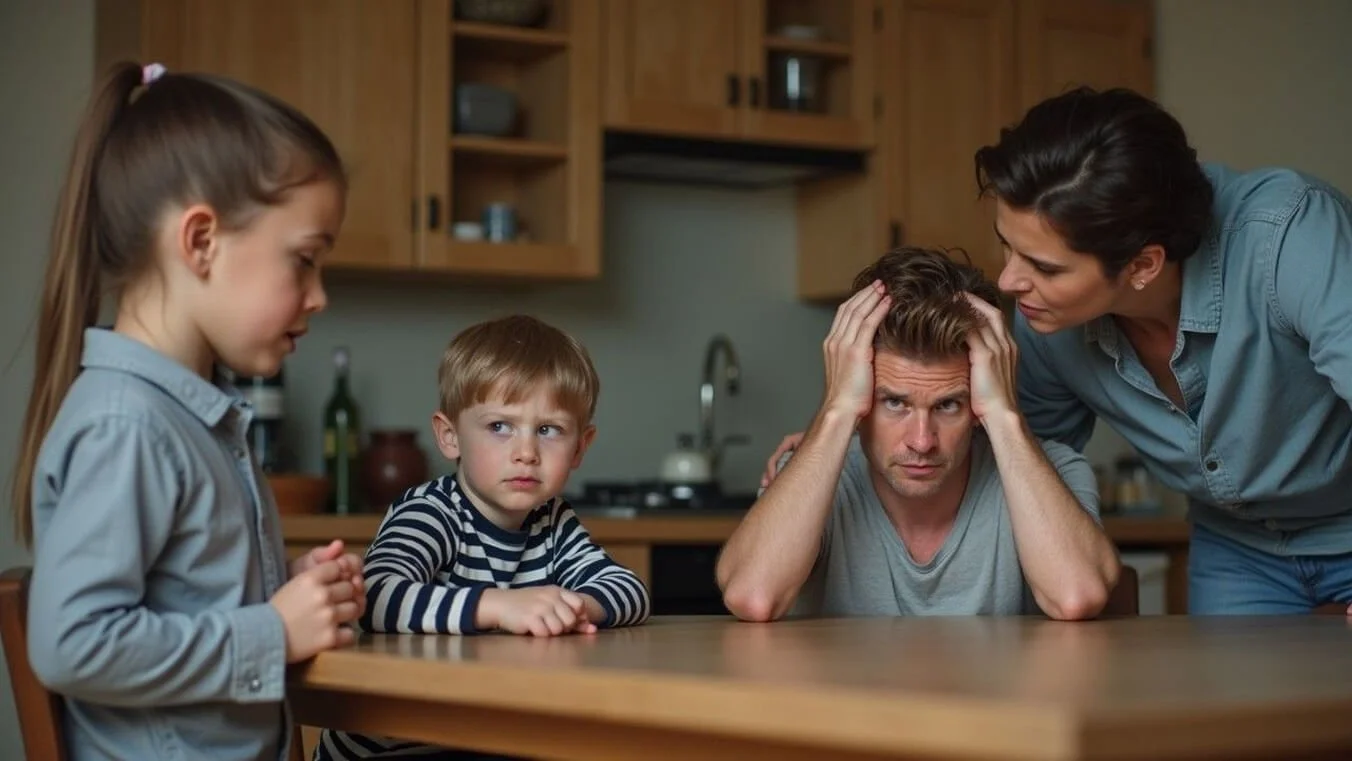
Post-traumatic stress disorder is a mental health condition that develops after a person experiences or witnesses a traumatic event. While stress is a natural reaction to trauma, PTSD occurs when symptoms persist for over a month and interfere with daily life. Veterans are at higher risk due to the nature of military service, including exposure to combat, life-threatening situations and high-stress environments.
Common Triggers for Veterans
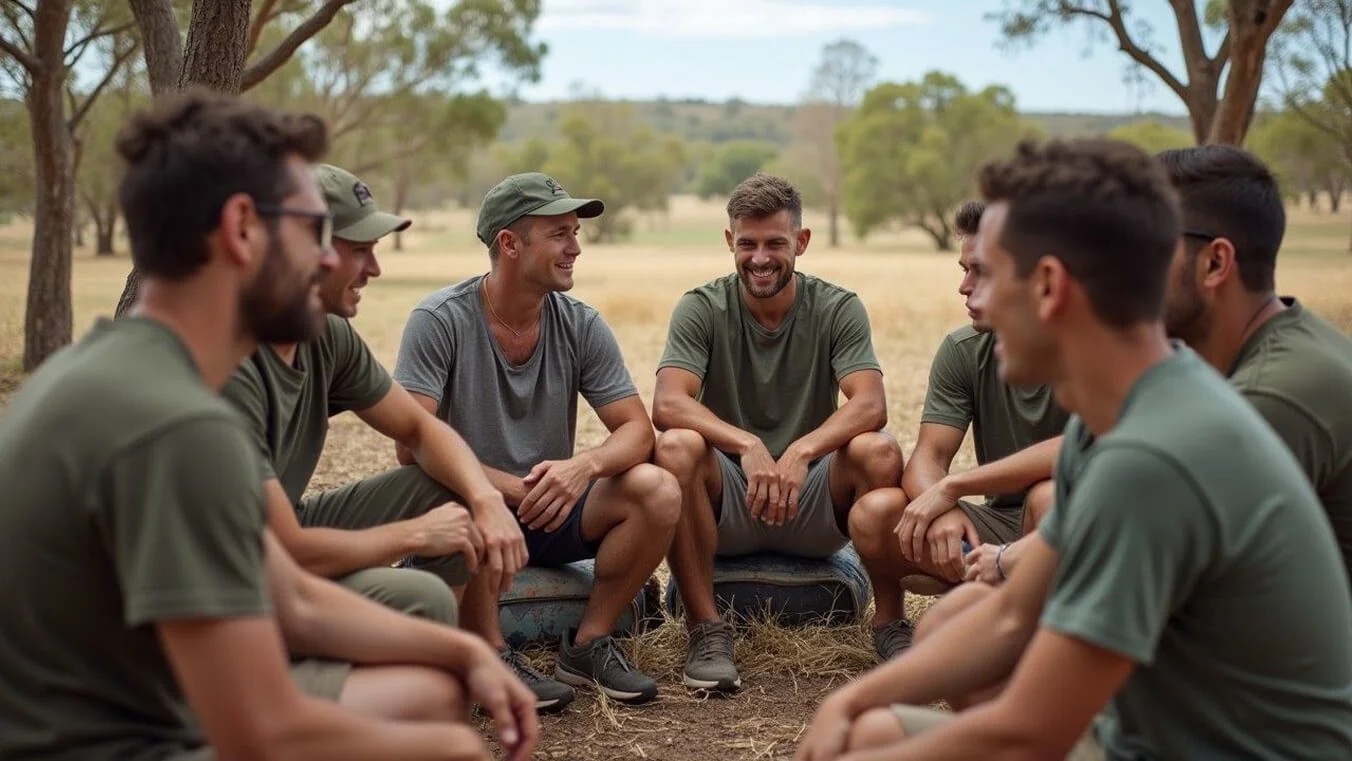
Veterans may develop PTSD after experiencing distressing or dangerous events. Some common triggers include:
- Combat exposure: Engaging in direct combat, witnessing death or suffering serious injuries.
- Military accidents: Training incidents, vehicle crashes or equipment failures.
- Non-combat trauma: Assault, military sexual trauma or witnessing harm to others.
PTSD vs. Normal Stress Response
It is normal to feel anxious or unsettled after a traumatic experience. However, PTSD occurs when symptoms persist and worsen over time, affecting daily life and relationships.
Why Some Veterans Develop PTSD While Others Do Not
Not all veterans exposed to trauma develop PTSD. Several factors influence individual risk, including:
- Personal resilience: Strong coping skills and emotional support can reduce PTSD risk.
- Past trauma history: Veterans with previous trauma may be more vulnerable.
- Severity and duration of trauma: Repeated exposure to distressing events increases the likelihood of PTSD.
How Trauma Affects the Brain and Body
PTSD changes the way the brain and body respond to stress. These changes can affect emotions, memory, and physical health. Understanding these effects can help veterans manage symptoms and seek the right treatment.
Brain Function Changes in PTSD
PTSD affects three key brain areas:
- Amygdala hyperactivity: Increases fear and emotional reactivity.
- Reduced hippocampus function: Impairs memory and makes it hard to separate past trauma from the present.
- Dysregulated stress hormones: Leads to chronic anxiety and panic.
Physical Effects of PTSD
PTSD affects both the mind and body, leading to:
- Chronic pain and muscle tension.
- Frequent headaches or migraines.
- Weakened immune system.
- Increased risk of heart disease and high blood pressure.
How Is PTSD Treated in Australian Veterans?
PTSD treatment aims to reduce symptoms, improve coping skills and restore quality of life. Veterans in Australia have access to various therapies and medications designed to treat PTSD. The right approach depends on individual needs and symptom severity.

Therapy Options
Talking therapies are the most effective treatments for PTSD. These approaches help veterans process trauma, change negative thought patterns and develop coping strategies.
- Trauma-Focused Cognitive Behavioural Therapy (TF-CBT: Helps veterans reframe negative beliefs and memories.
- Eye Movement Desensitisation and Reprocessing (EMDR): Reduces distress linked to traumatic memories.
- Exposure Therapy: Helps veterans gradually face trauma-related fears in a controlled setting.
- Mindfulness-Based Interventions: Teaches relaxation and grounding techniques.
Government-Funded PTSD Treatment for Veterans
Veterans in Australia can access PTSD treatment through government-funded programs. The Department of Veterans’ Affairs (DVA) and other organisations provide mental health support, therapy options and peer networks to help veterans manage their condition.
DVA-Funded Programs for PTSD Support
DVA provides financial and medical support for veterans with PTSD and other mental health conditions. These services include:
- Mental health treatment: Eligible veterans can access free counselling and therapy services.
- Non-Liability Health Care (NLHC): Provide mental health treatment for eligible veterans, regardless of whether their condition is service-related. Covered conditions include PTSD, depression, anxiety disorders and substance use disorders. Veterans need a DVA White Card that covers mental health.
- Hospital and community care: DVA funds inpatient and outpatient programs for veterans requiring intensive mental health treatment.
- Pharmaceutical Benefits Scheme (PBS) support: Covers prescribed medications for PTSD, depression, and other mental health conditions.
Veterans can apply for these services through MyService or by speaking with a DVA representative or specialist such as Veterans First Consulting.
Open Arms – Veterans & Families Counselling
Open Arms provides free and confidential counselling for veterans and their families. This service offers:
- One-on-one therapy: Veterans can access individual counselling with experienced mental health professionals.
- Group therapy and peer support: Programs help veterans connect with others facing similar challenges.
- 24/7 crisis support: Immediate help is available for veterans in distress.
Addressing PTSD Myths and Misconceptions
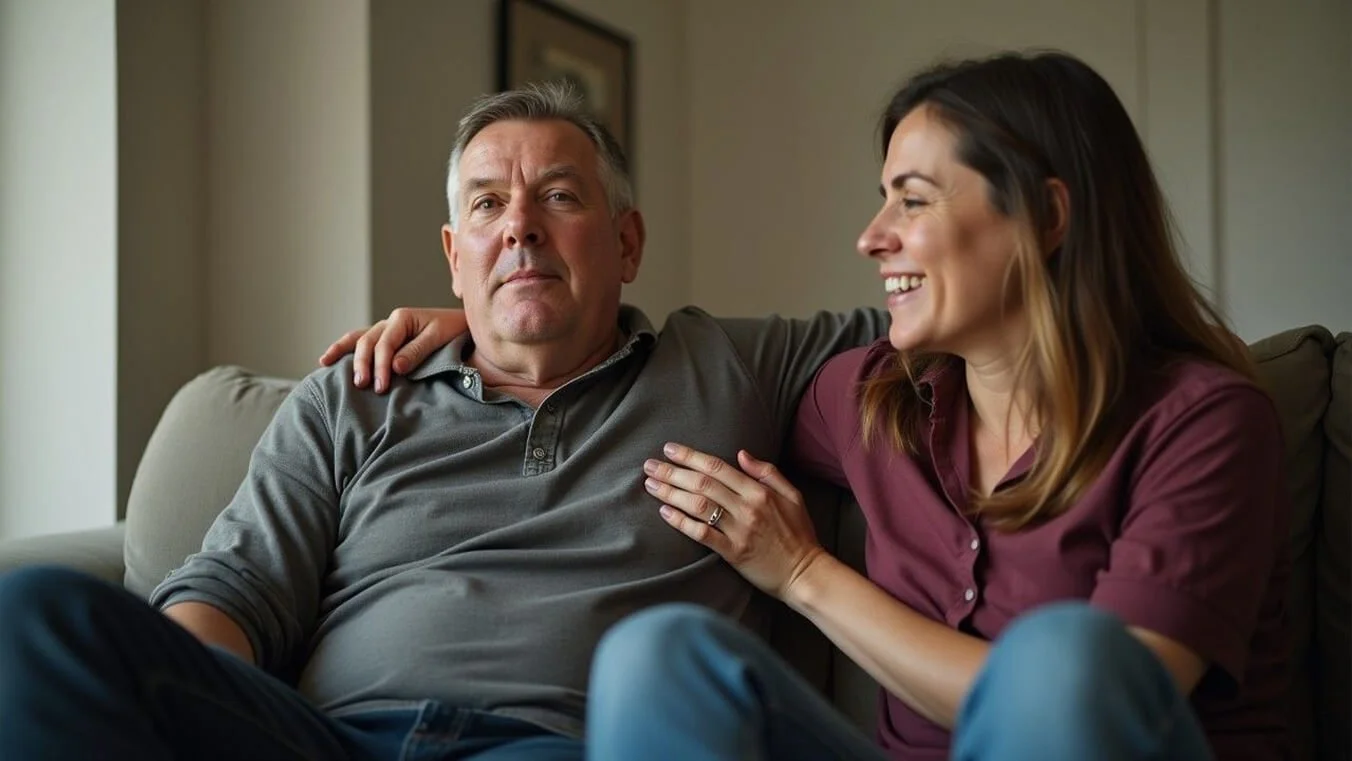
Many people misunderstand PTSD. These myths can prevent veterans from seeking help. Breaking these misconceptions encourages early intervention and better support.
Common PTSD Myths
Why Breaking the Stigma Improves Treatment Access
Many veterans avoid seeking help due to fear of judgment. This delay can make symptoms worse. Normalising PTSD as a treatable condition encourages veterans to reach out for support. Open conversations and education help more people access life-changing treatment.
Moving Forward with PTSD Treatment and Support
PTSD affects many Australian veterans, but treatment can help. Therapy, medication, and peer support improve recovery. Seeking help early reduces the impact on daily life and relationships. No veteran should go through PTSD alone. Support is available through DVA, Open Arms and mental health professionals. Reach out today and take the first step towards healing.
Written by
Common DVA FAQs
Have other questions?
Contact us so we can help.
No, PTSD symptoms vary. Some veterans experience flashbacks and nightmares, while others struggle with emotional detachment, anxiety or difficulty concentrating. Symptoms can change over time and may worsen under stress.
Veterans with PTSD may experience intrusive thoughts, nightmares, emotional numbness or increased irritability. They may avoid reminders of trauma or struggle with relationships. If symptoms persist for more than a month and interfere with daily life, seeking professional help is recommended.
If a veteran believes they have PTSD, they should speak with a GP or a mental health professional or contact Open Arms for free support. Early intervention improves recovery outcomes. Veterans can also apply for DVA-funded treatment services.
START YOUR CLAIM
Book a Free Call
Join more than 10,000 veterans in getting the support they deserve. Leave us a note and our experts will be in touch shortly to discuss your new claim or claim reassessment.
Zero upfront fees – only pay for successful claims
10,000+ veterans served – we know what we're doing
Australia's largest DVA advocacy group
Explore Related Articles

SRDP DVA: Eligibility, Pension Benefits, and Choosing Special Rate Disability Pension
Understanding the Average DVA Payout for Tinnitus