

SRDP DVA: Eligibility, Pension Benefits, and Choosing Special Rate Disability Pension
The Special Rate Disability Pension (SRDP) is a critical financial benefit provided by the Department of Veterans' Affairs (DVA) to veterans who are unable to work due to severe service-related impairments. SRDP DVA offers tax-free payments to help veterans manage living and medical costs. Understanding eligibility criteria and making informed financial decisions is essential for veterans when applying for SRDP. This article explores the key aspects of SRDP, including how to apply and maximise your benefits.

Start Your Claim Today
Get expert help with the entire claims process and secure the entitlements you deserve. With zero upfront fees, you only pay for successful claims.
In this Article:
A Quick Guide to SRDP DVA
The Special Rate Disability Pension under the DVA provides tax-free financial support to veterans with severe service-related impairments that limit their ability to work. Eligible veterans receive ongoing support, ensuring a stable income. Choosing SRDP over incapacity payments requires careful consideration. Consult professionals like Veterans First for expert assistance.
What Is Special Rate Disability Pension (SRDP)
The SRDP is a financial benefit provided by the Department of Veterans’ Affairs to veterans with severe service-related impairments that limit their ability to work. Designed for those unable to earn a sustainable income due to their conditions, SRDP offers ongoing, tax-free financial assistance to cover living and medical expenses. Veterans must meet strict eligibility criteria based on their incapacity to work. They can choose between SRDP or incapacity payments under the Military Rehabilitation and Compensation Act (MRCA) , but before deciding, veterans are required to consult a financial planner. This mandatory step ensures they fully understand the financial implications of their choice. SRDP not only supports veterans financially but also acknowledges their sacrifices.

How Do I Qualify for SRDP?
Veterans must meet strict eligibility requirements set by the DVA to qualify for the Special Rate Disability Pension. These criteria are based on the veteran's impairment level, capacity to work, and other important factors related to their service.
1) Impairment and Incapacity
Veterans must have a severe impairment that directly affects their ability to work. This impairment must be the result of a service-related injury or condition. Additionally, the veteran must be assessed as being unable to engage in regular employment due to their medical condition. The impairment must significantly limit their ability to earn a sustainable income from any employment.
2) Incapacity Payments
To be eligible for SRDP, veterans must receive incapacity payments under the MRCA. These payments compensate veterans for their inability to work or reduced work capacity due to service-related injuries. Veterans already receiving these payments may choose to switch to the SRDP if they meet all other eligibility criteria.
3) Rehabilitation Requirement
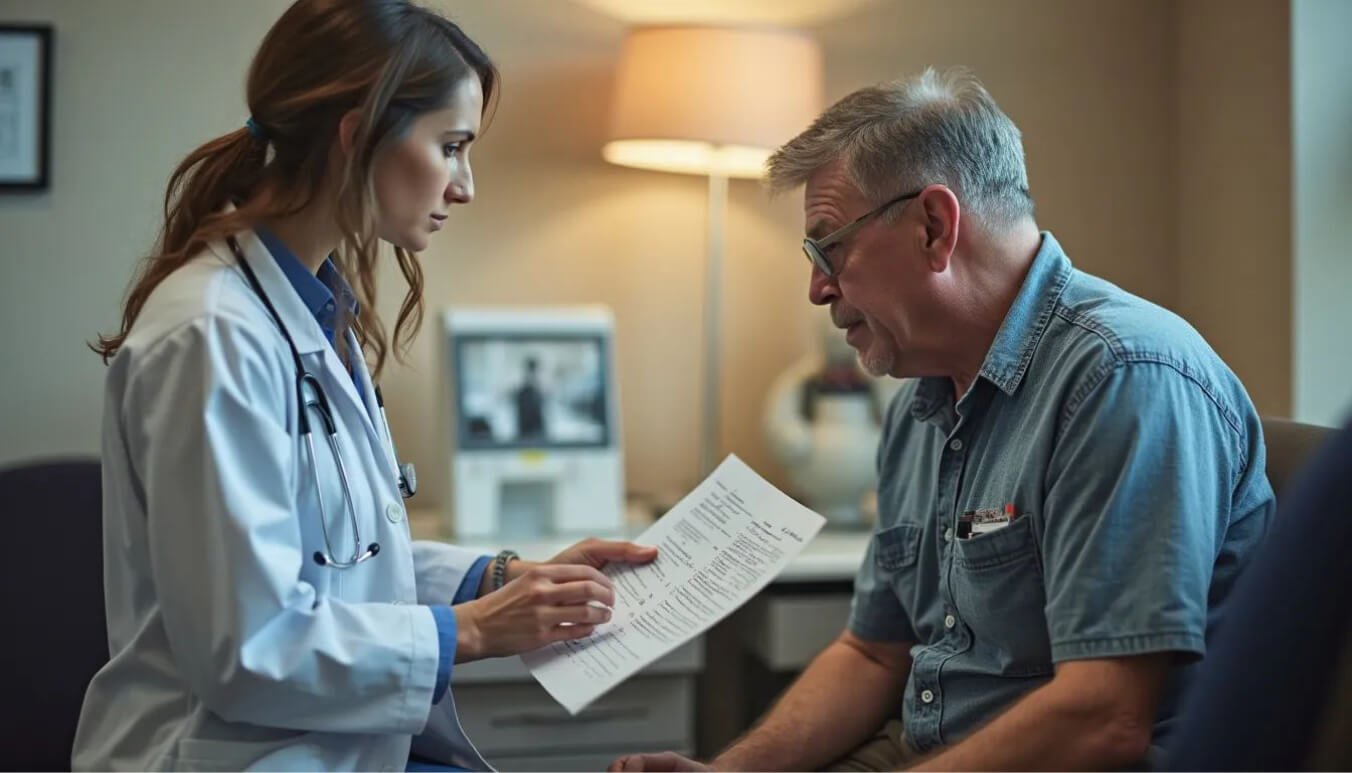
Veterans must have completed a rehabilitation program, or it must be determined that further rehabilitation would not improve their ability to work. The goal of rehabilitation is to help veterans return to work, but if it is clear that the veteran’s condition cannot improve, they may be eligible for SRDP:
Assessment Process for SRDP Applications
The SRDP assessment process is thorough and ensures that veterans who qualify receive the financial support they need. Veterans must meet strict criteria for their SRDP application to be approved, and this process involves several key steps.
Step 1: Initial Eligibility Check
The first step in the SRDP application process is determining whether the veteran meets the basic eligibility requirements. Veterans must receive incapacity payments under the Military Rehabilitation and Compensation Act and have severe service-related impairments that significantly impact their ability to work. The veteran must also have completed rehabilitation, or further rehabilitation must be deemed ineffective in improving their condition.
Step 2: Medical Assessment
Once basic eligibility is confirmed, a medical assessment is carried out to determine the extent of the veteran’s impairment. The DVA will arrange for the veteran to be assessed by qualified medical professionals. This assessment focuses on the severity of the service-related injury or condition and its impact on the veteran’s capacity to engage in paid work. The medical professional evaluates whether the condition is permanent and whether it prevents the veteran from performing any work, even part-time or modified duties.
Step 3: Rehabilitation Review
Before final approval for SRDP, a rehabilitation review is conducted. This review ensures that the veteran has completed all necessary rehabilitation efforts and that no further rehabilitation would improve their ability to return to the workforce. The review includes an assessment of any completed rehabilitation programs and the likelihood of further improvements to the veteran's condition.
Key Benefits of the Special Rate Disability Pension (SRDP)
The SRDP offers significant financial and practical benefits to veterans who have severe service-related impairments. It is designed to provide ongoing financial stability to veterans whose conditions prevent them from maintaining employment.
1) Tax-Free Pension
One of the primary benefits of SRDP is that it is a tax-free pension, unlike other forms of incapacity payments. This tax exemption ensures that veterans receive the full pension amount without reductions due to taxation. This can provide significant financial relief, particularly for those unable to work due to their condition.
2) Ongoing Financial Support
SRDP provides a pension, ensuring veterans receive continuous financial support. This is crucial for veterans whose impairments prevent them from re-entering the workforce. The pension helps to cover essential living expenses, allowing veterans to maintain a stable standard of living without worrying about their ability to generate income.
3) Continued Medical and Rehabilitation Support
Even though veterans on SRDP are considered to have completed their rehabilitation, they still have access to ongoing medical care and rehabilitation services if needed. This ensures that their health needs are met even after their eligibility for rehabilitation is assessed and completed.
4) Stability for Veterans and Families
SRDP provides peace of mind for veterans unable to return to the workforce by offering stable financial support. This stability extends to their families, ensuring their dependents are also financially cared for. For veterans who have dependents, this can make a significant difference in managing day-to-day expenses and long-term financial planning.
Discharge and Rehabilitation: Key Factors for SRDP Eligibility
Understanding how rehabilitation affects eligibility for the SRDP is crucial when transitioning out of the ADF. Rehabilitation assessments and financial planning are key steps that help veterans navigate their post-service journey, especially when considering long-term medical and financial needs.
1) Rehabilitation and SRDP Eligibility
Rehabilitation is a fundamental part of the SRDP eligibility process. Veterans are required to complete their rehabilitation program or be deemed unable to benefit from further rehabilitation before they can be considered for SRDP. While the goal of rehabilitation is to help veterans return to work, some conditions may make this impossible. In these cases, SRDP becomes a more viable option. The rehabilitation assessment examines physical and mental health to evaluate how service-related conditions impact a veteran's ability to work. Veterans who cannot return to work due to severe impairments may be eligible for SRDP.
2) Financial Considerations Post-Discharge
Veterans need to carefully evaluate the financial differences between continuing to receive incapacity payments or opting for SRDP. SRDP offers a tax-free pension, which may provide better long-term financial stability, depending on individual circumstances. Financial planners can assist veterans in understanding how SRDP affects their income, retirement planning, and support for their families. Evaluating these factors is crucial for making informed financial decisions after discharge.
By thoroughly considering rehabilitation outcomes and financial planning, veterans can ensure they receive the appropriate support and compensation to manage their post-service life.
Medical Evidence: Why It’s Critical to SRDP Eligibility
Medical evidence is critical in determining a veteran's eligibility for the Special Rate Disability Pension. This evidence serves as the foundation for assessing the extent of a veteran's impairment, their ability to work, and the impact of service-related conditions on their daily lives. Veterans may face challenges meeting the SRDP eligibility requirements without comprehensive and well-documented medical records.
1) Proving the Extent of Impairment
The SRDP is only available to veterans who demonstrate a high level of impairment due to service-related injuries. Medical evidence is essential to verify the severity of these conditions. This includes detailed medical reports from specialists, treatment records, and documentation of how the condition affects the veteran’s capacity to work. The evidence must align with the DVA’s assessment criteria, which determines the degree of incapacity and eligibility for SRDP.
2) Documenting Inability to Work
In addition to proving the impairment itself, medical evidence must establish that the condition prevents the veteran from engaging in paid employment. For SRDP eligibility, veterans must show that their service-related injury or condition has rendered them incapable of undertaking suitable work for which they are reasonably qualified. This includes evidence from rehabilitation assessments and employment capacity evaluations, confirming that despite rehabilitation efforts, the veteran is unable to return to the workforce.
3) Supporting the Long-Term Impact of Conditions
The ongoing nature of medical conditions is also a factor in SRDP assessments. Veterans must provide evidence of how their conditions will continue to affect their quality of life and employment prospects in the long term. This could include prognosis reports from healthcare providers showing that the condition is permanent or unlikely to improve with further rehabilitation or treatment.

How to Apply for SRDP and Maximise Benefits
Applying for the SRDP can be complex, but working with a specialist, such as Veterans First Consulting, can simplify the process and ensure maximum benefits. Here’s how the process works and how professionals can assist:
1) Verify Eligibility with Expert Help
The first step in applying for SRDP is verifying whether you meet the key eligibility criteria. Veterans First Consulting can help by looking over your medical records, service history, and capacity to work. We can make sure that your application meets the standards set by the DVA and that you have the necessary documentation before proceeding.
2) Work with a Specialist to Gather Medical Evidence
Veterans First Consulting can help you gather the medical evidence required for SRDP claims. We can guide you in obtaining comprehensive medical records and assessments that accurately demonstrate how your service-related conditions prevent you from working. We collaborate with healthcare providers to make sure all necessary documents are well-prepared, ensuring your application is supported with the strongest evidence possible.
3) Submit Your SRDP Claim
The claim submission process can be time-consuming, and errors can lead to delays. We will handle the administrative tasks on your behalf, ensuring the claim form is correctly filled out and all supporting documents are included. This professional assistance can greatly reduce the chance of setbacks and expedite the approval process.
4) Maximise SRDP Benefits Through Professional Guidance
Once your claim is approved, we can continue to assist by helping you understand your full entitlements and benefits under SRDP. We can offer guidance on additional financial planning resources and rehabilitation programs available through DVA, helping you make the most of the pension and any associated benefits.
Final Thoughts on SRDP
The Special Rate Disability Pension is a critical source of financial support for veterans who can no longer work due to service-related injuries. Understanding the application process and gathering strong medical evidence is key to maximising benefits. By seeking help from specialists, such as Veterans First Consulting, veterans can navigate this complex process more easily and ensure they receive all the assistance they deserve for their service. Taking these steps helps veterans secure long-term financial stability and peace of mind.
Written by
Common DVA FAQs
Have other questions?
Contact us so we can help.
The Special Rate Disability Pension is available to veterans with severe service-related conditions that significantly impair their ability to work. Common qualifying conditions include physical injuries, psychological conditions like PTSD, or chronic illnesses that are directly linked to military service. The condition must be severe enough to prevent the veteran from gaining employment.
Yes, you can receive other DVA benefits while on SRDP, but some benefits may affect your SRDP payment. For example, you may still be eligible for healthcare services, rehabilitation programs, and other support services. However, incapacity payments under the MRCA cannot be received at the same time as SRDP, as veterans must choose between the two.
If your application for the SRDP is rejected, you can file an appeal through the DVA review process. First, request reconsideration by providing additional evidence, such as updated medical reports. If unsuccessful, appeal to theVeterans' Review Board (VRB), and if needed, escalate to theAdministrative Appeals Tribunal (AAT)for a formal review. Seeking help from a specialist, like Veterans First Consulting, is recommended to navigate the appeals process and strengthen your case.
START YOUR CLAIM
Book a Free Call
Join more than 10,000 veterans in getting the support they deserve. Leave us a note and our experts will be in touch shortly to discuss your new claim or claim reassessment.
Zero upfront fees – only pay for successful claims
10,000+ veterans served – we know what we're doing
Australia's largest DVA advocacy group
Explore Related Articles

Average DVA Payout for PTSD: 2025 Compensation Rates and What You Can Expect

Tinnitus Functional Index: Measuring Tinnitus Severity and Treatment Outcomes
