
A Comprehensive Guide to Veterans Housing Programs and Support
Finding secure and affordable housing can be challenging for veterans transitioning from the Australian Defence Force to civilian life. Many face financial barriers, rental history gaps, or service-related injuries that affect their housing stability. The Department of Veterans' Affairs and partner organisations offer various housing programs to assist veterans in finding long-term accommodation. This guide explores the available support options, eligibility criteria, and application processes for veterans housing.

Start Your Claim Today
Get expert help with the entire claims process and secure the entitlements you deserve. With zero upfront fees, you only pay for successful claims.
In this Article:
A Quick Guide to Veterans Housing
The Department of Veterans' Affairs (DVA) offers housing support to help eligible veterans secure stable accommodation. Assistance includes rental aid, homeownership grants, and crisis housing for those at risk of homelessness. DVA works with community housing providers, non-profits, and state programs to expand affordable housing options. Veterans facing housing insecurity can apply for rental subsidies, transitional housing, or emergency accommodation through DVA-funded initiatives.
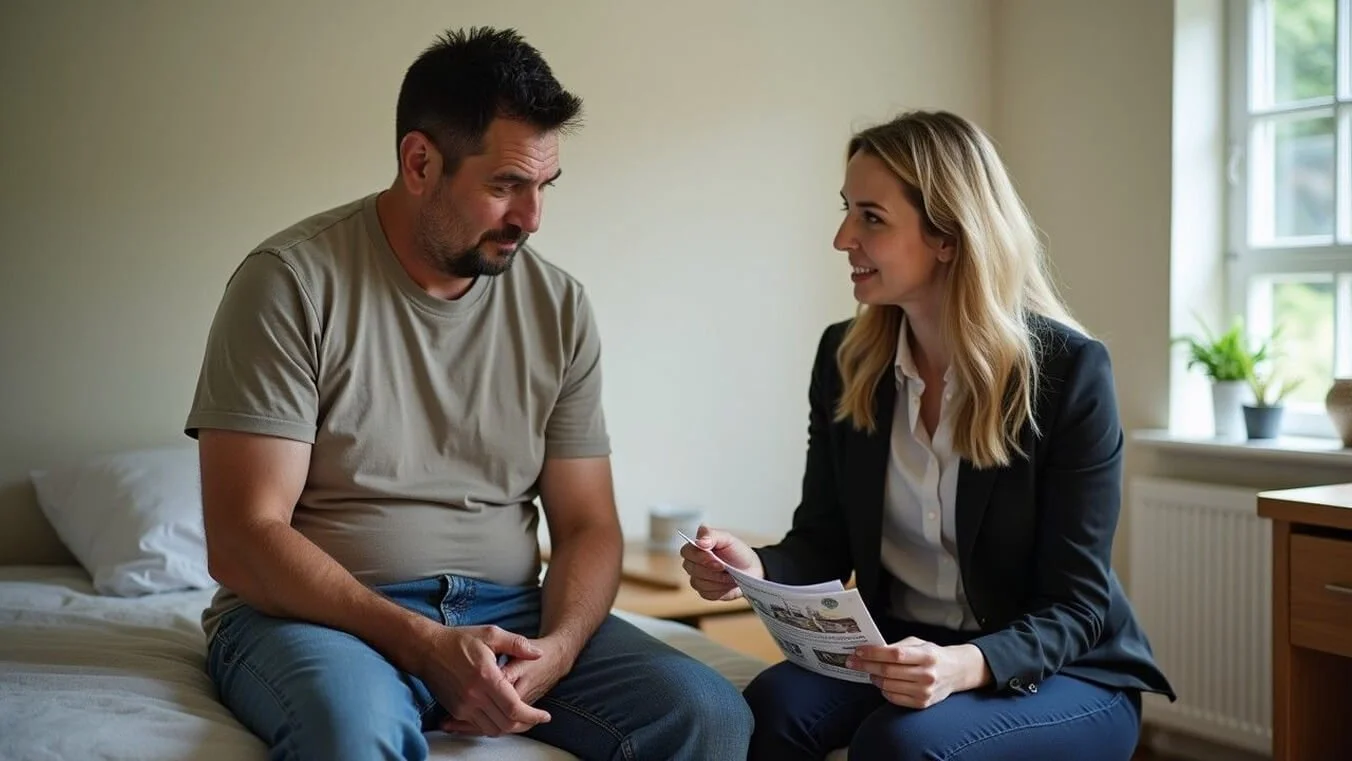
Veterans Housing Needs and Challenges
Many veterans struggle to find secure and affordable housing after transitioning from military service. Understanding these challenges helps improve long-term housing solutions and prevent veteran homelessness.
Key Housing Challenges for Veterans
- Affordability issues: High housing costs make securing long-term accommodation difficult.
- Service-related injuries: Some veterans need specialist housing due to physical disabilities.
- Mental health concerns: Conditions like PTSD and depression can impact housing stability.
- Employment barriers: Some veterans face income instability when transitioning to civilian jobs.
- Lack of rental history: Frequent relocations during military service can affect rental applications.
- Limited knowledge of support programs: Many veterans are unaware of government housing assistance.
Government Action on Veterans Housing
Homelessness is a growing issue in the veteran community. According to the Australian Institute of Health and Welfare, an estimated 5,800 veterans (or 5.3%) who have transitioned from the Australian Defence Force (ADF) experience homelessness each year, a rate nearly three times higher than that of the broader population
Key government efforts include:
- Funding for emergency and transitional housing to provide immediate accommodation for at-risk veterans.
- Grant programs for community housing providers to develop affordable and permanent housing solutions.
- State and federal collaboration to enhance veteran housing accessibility across different regions.
- Support for long-term housing initiatives aimed at reducing veteran homelessness and improving financial security.
DVA Housing Assistance Programs
The DVA provides housing assistance programs to help veterans and their families secure stable and affordable accommodation. These services include rental assistance, homeownership support, and temporary housing solutions designed to prevent veteran homelessness and improve long-term housing security.
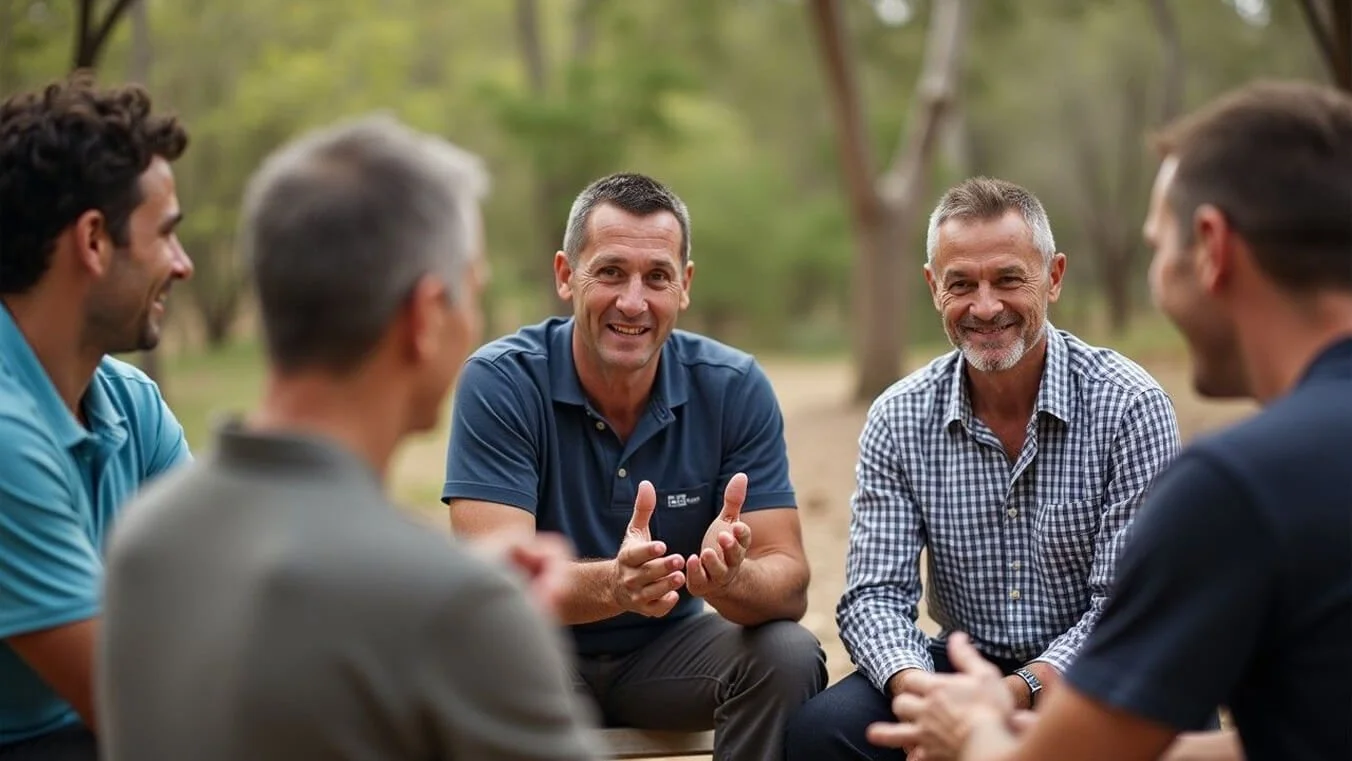
Available Housing Assistance Programs
1. Rent Assistance for Veterans
Veterans receiving DVA income support may qualify for rental assistance to help cover housing costs. This support reduces the financial burden on eligible veterans renting privately, through public housing, or with community housing providers.
Eligibility criteria:
- Receiving DVA income support payments (e.g., Service Pension, Income Support Supplement).
- Paying rent to a private landlord, community housing provider, or public housing service.
- Meeting DVA income and asset limits.
The amount of rent assistance depends on rental costs and the veteran’s financial situation.
2. Homeownership Support for Veterans
DVA offers financial assistance to veterans purchasing a home through subsidies and grants. While DVA does not provide direct home loans, it supports veterans by reducing borrowing costs through these programs:
- Defence Home Ownership Assistance Scheme (DHOAS): Provides a subsidy that reduces interest payments on home loans for eligible veterans.
- First Home Owner Grant (FHOG): A state-based grant that offers financial assistance to veterans purchasing their first home. Eligibility and grant amounts vary by state.
- Grant funding for community housing providers: Supports the development of affordable housing projects specifically for veterans.
These initiatives help veterans secure long-term, stable housing and transition from military service to homeownership.
Temporary and Transitional Housing
DVA supports short-term housing options for veterans facing immediate housing insecurity. These programs provide safe accommodation and assistance in securing permanent housing solutions.
1. Veterans’ Acute Housing Program (VAHP)
This emergency housing program provides immediate accommodation for veterans at risk of homelessness. It connects participants with:
- Short-term housing for those in urgent need.
- Long-term housing support services through DVA and community partners.
- Specialist housing providers to assist veterans with complex needs.
2. Transitional Housing for Veterans
Veterans seeking permanent accommodation can access transitional housing services through:
- State-based veteran housing programs offering rental support and short-term accommodation.
- Community-run housing providers offering specialist housing services tailored to veterans with disabilities, mental health conditions, or financial hardship.

How to Apply for DVA Housing Assistance
Veterans who need housing support can apply for DVA-funded programs, including rental assistance, homeownership support, and crisis accommodation.
Eligibility criteria include:
- Service history in the Australian Defence Force.
- Proof of financial hardship or an urgent housing need.
- Participation in DVA income support programs, if required.
Veterans can check eligibility and submit an application through:
- MyService: DVA’s online portal for applications and housing assistance.
- DVA housing support services: Direct assistance from DVA representatives.
Applicants should prepare necessary documents, such as proof of service, income verification, and rental history. Processing times vary, but veterans in crisis situations receive priority support.
State-Specific Housing Support for Veterans
Veterans across Australia can access state-based housing programs in addition to federal assistance. Each state and territory offers housing support that caters to local needs, providing affordable housing, rental aid, and crisis accommodation.
Differences Between State and Federal Housing Assistance
State programs focus on short-term and community-based housing, while federal programs provide long-term support through the DVA . Key differences include:
How to Access Housing Support by State
Veterans must apply for state-specific support based on their location. Each state has different eligibility rules, application processes, and available housing solutions. Veterans can contact their state housing department or a community housing organisation to find out what assistance is available.
Examples of State-Run Housing Initiatives
Several states and territories run housing programs designed for veterans:
- Victoria: Veterans can apply for social housing through Homes Victoria and access homelessness services.
- New South Wales: The Veterans’ Homelessness Prevention Programme provides crisis accommodation and rental support.
- Queensland: The Queensland Housing Strategy offers rental subsidies and public housing for eligible veterans.
- Western Australia: The Department of Communities provides housing assistance through community housing providers.
- South Australia: The Affordable Housing Initiative helps veterans and their families secure stable housing.
Veterans should check their state housing agency websites for eligibility criteria and application forms. Community housing providers and veteran organisations also offer guidance on finding the right housing service.
Ensuring Stable Housing for Veterans
Veterans can access DVA housing programs, rental assistance, and homeownership support to secure stable accommodation. Early financial planning and seeking support can prevent housing struggles. Grants, subsidies, and state-run programs offer further assistance. Veterans First Consulting helps navigate applications and eligibility. No veteran should face housing insecurity alone—support is available for those who reach out.
Written by
Common DVA FAQs
Have other questions?
Contact us so we can help.
Eligible veterans can apply for home loans, grants and subsidies. These schemes reduce upfront costs when buying a property. The First Home Owner Grant is available to some veterans. Programs also assist those facing difficult financial circumstances.
Veterans housing programs assist former service members in securing stable and affordable housing. They offer rental assistance, home ownership support and emergency accommodation. The department of veterans funds housing initiatives to reduce homelessness among veterans. Programs also provide funding for non-profits and community groups that assist with housing.
If a veteran’s situation changes, they should update their application. This applies if they move, change jobs or experience a financial setback. Some housing programs offer flexible options to adjust to new circumstances.
Veterans in crisis can access short-term accommodation through emergency housing programs. Some services offer support beyond housing, such as counselling and employment assistance. Veterans should contact a housing provider immediately for urgent help.
These programs provide funding for home loans,rental assistanceand transitionalhousing. Some initiatives help with short-term accommodation for veterans in crisis. Research shows that stable housing improves financial security and mental wellbeingbeing. Government-backed projects will build new housing for veterans who need affordable options.
START YOUR CLAIM
Book a Free Call
Join more than 10,000 veterans in getting the support they deserve. Leave us a note and our experts will be in touch shortly to discuss your new claim or claim reassessment.
Zero upfront fees – only pay for successful claims
10,000+ veterans served – we know what we're doing
Australia's largest DVA advocacy group
Explore Related Articles
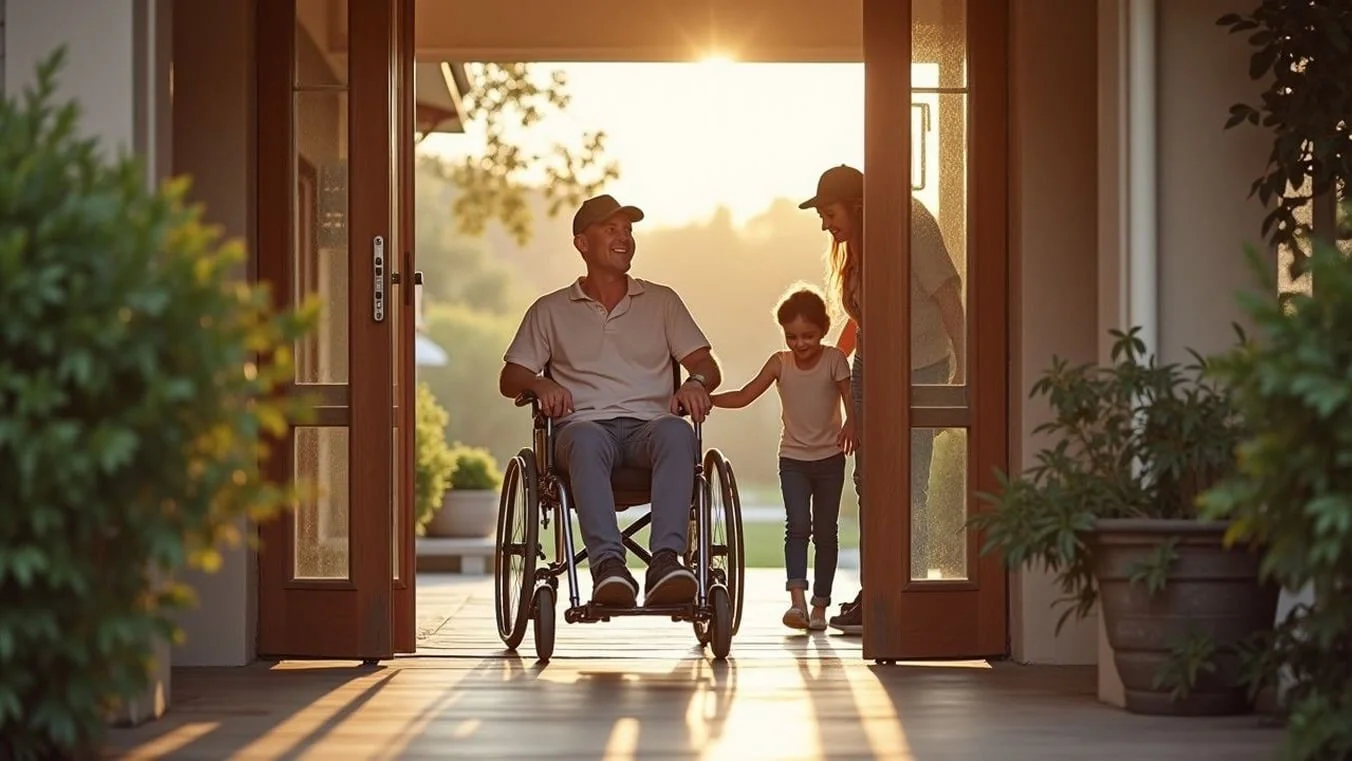
Homes for Disabled Veterans Program: Essential Housing Support and Modifications for Australian Veterans

Who Is Eligible for the Veterans Home Care Program? A Complete Guide