
DVA Legal Advice: When a Lawyer May Veterans with Their Claim
Your claim comes back rejected, and your first thought may be that you need a lawyer. That reaction is understandable, but not every review issue is a legal question. This guide explains when legal advice may be appropriate, when claims support may fit and what evidence DVA or a review body may assess.

Start Your Claim Today
Get expert help with the entire claims process and secure the entitlements you deserve. With zero upfront fees, you only pay for successful claims.
In this Article:
What Counts as DVA Legal Advice
Legal advice is not the same as help with a DVA claim. I separate the two below because they involve different qualifications and different work.

Legal Advice Versus Claims Assistance
There is a clear line between legal advice and DVA claims support. Legal advice should come from someone properly qualified to give it. Military advocacy training does not, by itself, make someone a lawyer or financial adviser.
If you want to check whether someone is a lawyer, use the legal profession body in your state or territory. DVA points veterans toward those bodies because DVA does not license or regulate lawyers.
Claims support is different. Our team and I help identify what DVA needs to assess, organise service and medical evidence and prepare claim or review material.
We do not give legal advice. Our role is to help with the DVA claim work that sits before, beside or after a decision.
Our guide to the difference between DVA lawyers and claims specialists explains where each may fit. In my experience, many veterans searching for “DVA legal advice” are really looking for help to make their evidence clearer before the matter becomes a legal dispute.
Why a Lawyer Is Not Required at Every Review Stage
The Veterans’ Review Board and the Administrative Review Tribunal sit at different points in the review process. We treat them separately because the right support can change from one stage to the next. You do not automatically need a lawyer just because a DVA decision is being reviewed.
Representation at the VRB and ART
At the VRB stage, the focus is usually on whether the DVA decision should stand after the material is reviewed again. A lawyer can help in the background, but a person with legal qualifications generally cannot appear for you at the VRB hearing. That means claims support, advocacy and better evidence can still matter at this stage.
The ART is different. It can look at the decision again with reference to the facts, the law, the relevant policy and material that may not have been before DVA earlier.
At that stage, a veteran may choose to handle the matter themselves or get help from a lawyer, advocate or trusted support person.
I first look at why DVA reached the original decision. If the problem is missing evidence, a new report may help. If the problem is how the law was applied, legal advice may become more important.
Review Fees and Legal Costs
Cost is another reason to match the support to the stage of the matter. A VRB application does not carry an application fee. ART applications for MRCA, DRCA and VEA decisions also generally do not have an application fee.
Some evidence or travel-related costs may be reimbursed in connection with a VRB matter, but that does not mean legal fees are covered.
In most cases, a veteran should expect to pay their own legal costs. Legal or related costs may only be awarded in limited ART situations.
A lawyer cannot move your DVA claim into a faster queue or guarantee the result. Legal help may still be worthwhile where the dispute is genuinely about legal interpretation or the matter has moved beyond ordinary merits review.
When DVA Legal Advice May Be Appropriate
Some DVA matters raise legal questions that fall outside ordinary claim preparation. The examples below show when speaking to an appropriately qualified lawyer may be worthwhile.
Federal Court Appeals on a Question of Law
I recommend legal advice when the dispute turns on law rather than claim preparation. The clearest example is an appeal from the ART to the Federal Court.
After an ART decision, a party may appeal to the Federal Court only on a question of law. The Court generally does not reconsider the merits of the case or accept new evidence, except in special circumstances.
A question of law may involve procedural fairness or the interpretation of legislation. Disagreement with how the ART weighed the evidence is not enough by itself.
If a Federal Court appeal is being considered, get legal advice quickly because the filing window is short and extensions should not be assumed. The Federal Court strongly recommends getting legal help to prepare the notice. A person who loses an appeal will also usually have to pay the other party’s legal costs, so we recommend speaking to a qualified lawyer promptly.
Legal Problems That Sit Beside Your Claim
Family law, wills and estates, employment disputes, discrimination matters and other legal issues may overlap with a DVA claim without forming part of it.
These issues may require advice from an appropriately qualified lawyer. Through Veterans First Consulting, I can help with the DVA claim side, but I cannot advise on separate legal matters. Keep the two issues clearly separated so each provider works within the appropriate scope.
Where Free DVA Legal Advice May Be Available
Veterans First Consulting is an independent, paid DVA claims service. My team and I do not provide legal advice. Where your matter needs a lawyer, Legal Aid or another qualified legal service may complement the claims support we provide.
Your state or territory Legal Aid commission is one place to check. DVA’s legal aid guidance shows that eligibility varies.
Some services do not apply a means test but may apply a merits test or limit help to certain service types, appeal stages or war-related matters. Check the rules in your jurisdiction before relying on this option.
The Defence and Veterans Legal Service is no longer operating. It announced that it would close at the end of September 2024 because ongoing Commonwealth funding had not been provided. The service stated it closed because it did not receive ongoing Commonwealth funding.
Some older referral pages may still mention the service, so check that a service is operating before relying on its details.
Veterans First Legal has been built specifically to serve our veteran community as an independent, specialist law firm — with the same deep knowledge of unique veteran needs and DVA legislation that reflects our own.
Whether you're a veteran, family member, friend or supporter, the Veterans First Legal team can provide trusted guidance on all relevant legal matters.
How Your Review Pathway Works After 1 July 2026
The review pathway depends on when the decision was made and which Act applied to the claim. I would always check the review-rights section in the decision letter before relying on a general rule.
For new compensation and rehabilitation claims from 1 July 2026, DVA uses the improved MRCA framework. Older claims and existing payments may still be affected by the earlier VEA, DRCA or MRCA position, depending on when the claim was lodged and what the decision relates to.
The Single Review Pathway also matters. For many decisions made from 21 April 2025, the first external step is usually the Veterans’ Review Board. If the matter is not resolved there, the next step may be the Administrative Review Tribunal.
Earlier decisions may not follow the same route. That is why the decision letter should be checked before any deadline is assumed.
Time Limits That Apply
Always use the time limits in your own decision letter. Transitional rules and decision-specific rules may change the pathway. My guide to DVA appeals walks through what each stage looks like in practice.
DVA Workload and Claim Timeframes
DVA’s claim volume can affect how long a matter takes, but it is only one part of the picture. As of 30 June 2026, DVA reported more than 100,000 claims on hand. It also reported that incoming claim volumes can reach or exceed 5,000 claims each fortnight.
Another pressure point is claim complexity. DVA says the average number of conditions in each claim increased from 2.6 in May 2022 to 4.1 in January 2026. That matters because DVA needs to decide each claimed condition separately.
Hiring a lawyer does not reduce DVA’s claim volume or guarantee faster processing. Timeframes still depend on the claim type, the evidence available, the number of conditions claimed and what DVA needs to assess. My DVA claims timeframe guide explains the common causes of delay.

What I Check Before Suggesting Legal Advice
When a veteran shows me a rejected claim, I do not start with the job title they need. I start with the reason DVA gave.
We check:
- Whether evidence is missing or unclear
- Whether a new medical report would answer DVA’s reason
- Whether the dispute concerns how legislation was interpreted
- How close the review deadline is
- Whether the issue raises a question of law or may require a Federal Court appeal
These checks help me separate claims work from legal work. If the issue is evidence or claim preparation, my team and I may be able to help. If it is a question of law, I will say so and recommend a qualified lawyer.
What Actually Decides Your DVA Claim
The appropriate next step depends on the reason given in DVA’s decision. It may involve stronger medical evidence, clearer service evidence, better-organised claim material or separate legal advice about how the law applies.
Evidence and Claim Preparation
A clear and complete claim may reduce avoidable questions or delays when the medical and service evidence addresses the criteria DVA must assess.
Our guides on lodging an initial liability claim and making a DVA claim explain what clear claim preparation can look like. My permanent impairment claims service explains how DVA assesses impairment points after it accepts liability.
DVA Workload and Claim Timeframes
DVA’s workload is one factor that can affect how long a claim or review takes. As at 30 June 2026, DVA had 103,074 claims on hand and was receiving up to, and sometimes more than, 5,000 claims every two weeks. The average number of conditions per claim also rose from 2.6 in May 2022 to 4.1 in January 2026, with DVA required to determine each condition separately.
Hiring a lawyer does not change DVA’s workload or guarantee faster processing. Timeframes also depend on the type and complexity of the claim and the evidence DVA needs. My DVA claims timeframe guide explains the common factors that can cause delays.
Support While You Wait
Waiting on a decision or dealing with a rejection can take a toll. The Open Arms support line provides free and confidential support 24 hours a day on 1800 011 046.

Choosing the Right Support for Your Next Step
Legal advice may be appropriate when a dispute involves legal interpretation, procedural fairness or a possible Federal Court appeal. Where the issue involves evidence, claim preparation or a merits review, our team at Veterans First Consulting provides independent, paid MRCA claims support. If you disagree with a DVA decision, contact our team to discuss the claims support available.
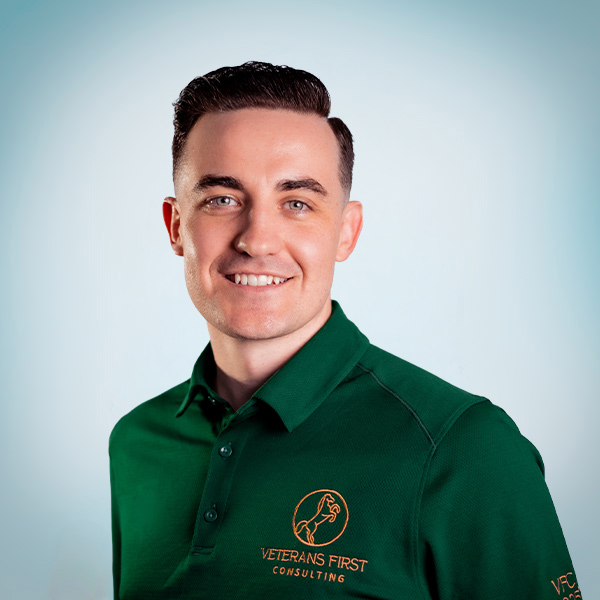
Written by
START YOUR CLAIM
Book a Free Call
Join more than 10,000 veterans in getting the support they deserve. Leave us a note and our experts will be in touch shortly to discuss your new claim or claim reassessment.
Zero upfront fees – only pay for successful claims
10,000+ veterans served – we know what we're doing
Australia's largest DVA advocacy group
Explore Related Articles

DVA Bullying Claim: How to Secure Compensation for Workplace Harassment in the ADF

DVA Appeals: Your Complete Guide to Challenging Claim Decisions