
Veteran Orange Card: What It Covers, Who It’s For, and How to Access Concessions
Have you heard of the veteran orange card but aren’t quite sure what it covers—or who it’s for? Unlike the more common White and Gold Cards, this lesser-known DVA card is reserved for a small group of older veterans and is only limited to pharmaceutical support. If you're managing ongoing medication needs and wondering what benefits you might qualify for, understanding this card’s role can help you make more informed decisions. Let’s break down what you need to know about accessing the targeted support the Veteran Orange Card provides.

Start Your Claim Today
Get expert help with the entire claims process and secure the entitlements you deserve. With zero upfront fees, you only pay for successful claims.
In this Article:

What Is the Veteran Orange Card?
The Veteran Orange Card is a DVA-issued card that provides access to subsidised pharmaceuticals through the Repatriation Pharmaceutical Benefits Scheme (RPBS). It is designed for a small group of older Commonwealth or allied veterans and helps reduce the cost of managing long-term medication needs.
Eligible cardholders can access:
- Prescription medicines covered under RPBS
- Access to wound care items may be included when prescribed in line with RPBS criteria.
- Nutritional supplements may be covered under RPBS where clinically required and approved by a medical practitioner.
However, the Orange Card does not include:
- Medical appointments or GP services
- Allied health care, such as physiotherapy or mental health support
- Hospital treatment or emergency services
Its purpose is purely pharmaceutical, offering concessional pricing and safety net protection for those who qualify.
Key Entitlements of the Orange Card
This card focuses on delivering affordable access to essential medications, particularly for veterans managing chronic or age-related conditions. Its scope is limited but targeted.
Key entitlements include:
- Access to clinically required medicines under RPBS
- Concession pricing on prescriptions
- Out-of-pocket caps through the RPBS safety net
Cardholders may also be eligible for the Veterans Supplement, which provides additional financial support for ongoing medication needs.
Eligibility Criteria for the Veteran Orange Card
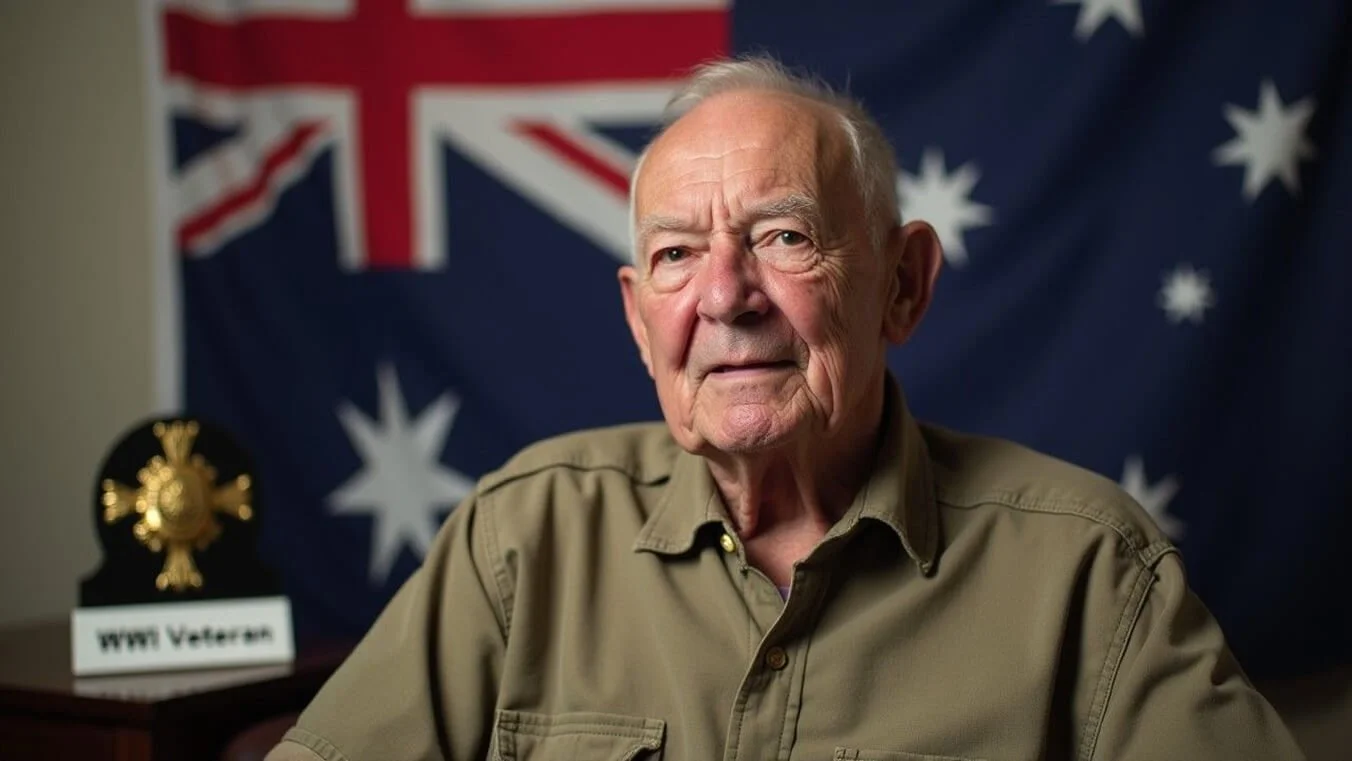
The Veteran Orange Card is provided to a select group of older veterans who meet strict eligibility criteria related to their service and residency. It is not something that can be applied for but instead issued by DVA when these requirements are met:
- Served in the First or Second World War as a Commonwealth or allied veteran or mariner
- Are aged 70 years or older
- Have lived in Australia for at least 10 years
This card is intended for veterans no longer serving and requiring consistent access to subsidised prescription medicines through the Repatriation Pharmaceutical Benefits Scheme. Its purpose is limited to pharmaceutical support based on verified service history and long-term residency.
Orange Card vs White and Gold Card
The Orange Card differs from the White and Gold Cards in what it covers and who it’s for. Here’s a quick comparison:
Younger veterans are unlikely to meet the criteria for the Orange Card. Instead, the Veteran White Card may offer support for service-related conditions, while the Gold Card provides broader access based on impairment outcomes.

Common Mistakes Veterans Make About Card Entitlements
Despite its clear purpose, the Orange Card is often misunderstood. Common misconceptions include:
- Assuming it covers medical treatment: It does not include GP visits, allied health or hospital care.
- Believing any veteran can receive one: Only veterans from the Second World War who meet the age and residency criteria are eligible.
- Confusing it with other cards: The Orange Card is not tied to impairment points, or MRCA claims like the White or Gold Card.
Understanding these distinctions helps veterans access the proper support and avoid frustration.
Getting the Right Support for Your Veteran Card
The Orange Card plays a specific role in veteran healthcare, but it’s not the right fit for everyone. Knowing whether you meet the criteria and what the card covers is essential for ensuring your long-term needs are met.
If you’re unsure whether the Orange Card suits your circumstances or whether another DVA card would provide broader support, working with professionals like Veterans First Consulting can help. Their expertise ensures you understand the process, meet the correct requirements and maximise your available entitlements based on your service history.
Get Expert Help Navigating Your Veteran Card Options
The Veteran Orange Card is designed for a specific group—older Commonwealth or allied veterans needing subsidised pharmaceuticals. Most current or recently discharged veterans are better suited to the White or Gold Card under MRCA, which offers broader healthcare support. However, understanding eligibility and choosing the right path can be confusing. The DVA system isn’t always easy to navigate; the proper guidance can make all the difference. Not sure what type of card you qualify for? Reach out to Veterans First Consulting today for personalised support and expert help securing the entitlements you’ve earned.
Written by

START YOUR CLAIM
Book a Free Call
Join more than 10,000 veterans in getting the support they deserve. Leave us a note and our experts will be in touch shortly to discuss your new claim or claim reassessment.
Zero upfront fees – only pay for successful claims
10,000+ veterans served – we know what we're doing
Australia's largest DVA advocacy group
Explore Related Articles

DVA Gold Card Referral: When You Need One and When You Do Not

Who Is Entitled to a Gold Card in Australia: Eligibility and Benefits for Veterans