
Comprehensive Guide to Veterans Benefits in Australia: Support for ADF Members
Veterans benefits under the Military Rehabilitation and Compensation Act (MRCA) are designed to provide comprehensive support for Australian Defence Force members and their families. These benefits address key areas such as healthcare, financial assistance, housing support, education, and employment services.
They aim to ease the transition to civilian life, tackle service-related challenges, and ensure stability for veterans and their loved ones.

Start Your Claim Today
Get expert help with the entire claims process and secure the entitlements you deserve. With zero upfront fees, you only pay for successful claims.
In this Article:
A Quick Guide to Veterans Benefits
The MRCA benefits go beyond essential support, offering tailored solutions for ADF members and their families. These include specialised programs for healthcare access, financial stability, housing aid, education pathways, and career development. By focusing on individual and family needs, these benefits promote long-term wellbeing. Eligibility and applications are managed through the Department of Veterans Affairs (DVA), ensuring veterans receive the assistance they deserve.
Types of Veteran Benefits in Australia
- Healthcare and Wellbeing
- Financial Support
- Housing Assistance
- Education and Training
- Employment Support
Healthcare and Wellbeing
Australian veterans have access to comprehensive healthcare and wellbeing services under the MRCA. These services are designed to address physical, mental, and emotional health, supporting a smooth recovery and helping veterans lead fulfilling lives after service.

Treatment Cards for Healthcare Access
DVA provides eligible veterans with treatment cards, simplifying access to essential healthcare services:
- White Card: Covers treatment for conditions accepted as related to service. This includes medical, dental, and allied health services specific to the veteran’s needs.
- Gold Card: Offers treatment for all health conditions for eligible veterans, ensuring comprehensive healthcare coverage.
Mental Health Support
Mental health care is a critical component of MRCA benefits. Veterans can access free mental health treatment for any condition, regardless of liability. Key services include:
- Counseling and Therapy: Individual and group sessions tailored to veterans' needs.
- Specialised Programs: Targeted care for conditions like PTSD, anxiety, and depression.
- Open Arms – Veterans and Families Counselling: A dedicated service offering confidential, 24/7 support.
Rehabilitation Services
Rehabilitation under MRCA addresses multiple aspects of veterans' lives, including:
- Medical Rehabilitation: Focused on treating injuries and illnesses caused by service.
- Social Rehabilitation: Support for re-establishing connections with the community.
- Vocational Rehabilitation: Assistance in gaining skills for civilian employment.
Rehabilitation programs aim to improve overall functionality and independence.
Preventative Health Measures
DVA also promotes preventative health care to enhance veterans’ long-term wellbeing:
- Access to regular health checks.
- Funding for preventive treatments, such as vaccinations and screenings.
- Guidance on nutrition and exercise for maintaining physical health.
Financial Support
The DVA provides a wide range of financial support options to ensure veterans and their families receive the assistance they need. These benefits help manage the economic challenges of transitioning to civilian life while addressing service-related impairments.
Income Support Payments
Veterans with service-related conditions can access income support to maintain financial stability:
- Incapacity Payments: Provide financial assistance for veterans unable to work or with reduced earning capacity due to service-related conditions.
- Special Rate Disability Pension (SRDP): Offers income support for veterans with severe impairments that prevent them from engaging in civilian employment.
These payments are regularly adjusted to account for inflation, ensuring they remain relevant to the veteran’s needs.
Permanent Impairment Compensation
Permanent Impairment Compensation supports veterans with injuries or illnesses directly related to their service. It is available in two forms:
- Lump Sum Payments: A one-time payment based on the degree of impairment.
- Periodic Payments: Regular, ongoing payments for veterans with significant impairments, providing sustained financial assistance.
The amount of compensation is carefully calculated, considering the severity of the impairment and its impact on the veteran’s daily life.
Support for Families
DVA ensures financial support extends to veterans’ families, including:
- Dependent Benefits: Payments for eligible dependents, such as children and spouses.
- Education Assistance: Financial aid for children of veterans pursuing full-time education.
Additional Benefits
Veterans may qualify for other payments, such as funeral benefits and financial aid for the families of deceased veterans.
Guidance for Veterans
The DVA helps veterans understand their entitlements and provides support through the application process. Veterans should regularly review their circumstances with the DVA to ensure they receive all available financial benefits under MRCA. This financial safety net is crucial in helping veterans and their families navigate life after service.
Housing Assistance
The DVA offers housing assistance to support veterans transitioning from military to civilian life. These benefits address housing stability, providing financial aid for living arrangements tailored to individual needs.
Rent Assistance
Veterans experiencing housing instability can access Rent Assistance through DVA. This program helps cover rental costs, especially for those in private rental accommodations. Rent Assistance complements other financial support programs and ensures veterans can maintain affordable living arrangements. The amount provided is adjusted based on individual circumstances, including income and housing needs, to address unique challenges effectively.
Home Ownership Support
The DVA provides programs that encourage homeownership for veterans and their families. Eligible veterans can access:
- Home Purchase Assistance: Financial aid for veterans purchasing their first home, easing the burden of initial costs.
- Mortgage Assistance: Support for veterans struggling with mortgage repayments due to service-related conditions.
These initiatives promote stability and long-term housing security.
Adapted Housing for Veterans With Disabilities
Veterans with severe impairments can receive assistance to modify their homes, ensuring they are accessible and comfortable. Adaptations might include:
- Adding ramps or widening doorways to accommodate mobility aids.
- Renovating bathrooms and kitchens for better accessibility.
- Customising living spaces to address specific medical or functional needs.
The DVA reviews each application individually, working closely with veterans to ensure modifications meet health and safety standards. These tailored solutions enable veterans to live independently and safely in their homes.
Temporary Housing Solutions
Veterans in crisis or those transitioning to permanent housing can access temporary housing support. The DVA works with community organisations to provide short-term accommodations, ensuring no veteran faces homelessness.

Education and Training Support
Education and training benefits are designed to help veterans transition to civilian careers. These programs provide resources for skill development, higher education, and employment readiness.
Vocational Rehabilitation Programs
The DVA Vocational Rehabilitation Program offers personalised services to veterans, focusing on their career goals and individual needs. Key features include:
- Career counseling to identify strengths and align goals.
- Skills training and upskilling opportunities to match current job market demands.
- Support for veterans transitioning into new roles or industries.
Veterans may also receive assistance with work placements to gain experience and secure stable employment.
Higher Education Assistance
Veterans pursuing higher education can access financial aid to cover tuition and associated costs. This includes:
- Enrolling in approved degree programs at universities or colleges.
- Accessing funding for vocational courses or certifications.
- Support for textbooks, course materials, and other related expenses.
These benefits help veterans achieve qualifications that enhance their employability in competitive fields.
Skill Development Initiatives
Veterans can participate in training programs that focus on:
- Acquiring new technical skills or certifications.
- Gaining qualifications in trades and professional sectors.
- Enhancing soft skills like communication and leadership.
The DVA collaborates with training providers to ensure veterans receive quality instruction relevant to their career paths.
Apprenticeship and Traineeship Support
Veterans interested in trade careers can apply for apprenticeships and traineeships. These programs provide:
- On-the-job training in various trades.
- Mentorship from experienced professionals.
- Financial support to ease the burden of pursuing practical learning.

Employment Support
Employment support veterans transition into the civilian workforce. These programs focus on career readiness, job placement, and sustained employment for veterans adjusting to life after service.
Job Placement Assistance
The DVA works with veterans to identify suitable job opportunities. Key services include:
- Resume building to highlight military skills for civilian roles.
- Interview preparation to boost confidence and communication.
- Connections with employers seeking skilled veterans.
Veterans receive tailored support to match their skills and interests with job opportunities.
Vocational Rehabilitation
Vocational rehabilitation services address challenges veterans may face when reentering the workforce. This includes:
- Career counseling to explore new career paths.
- Skills assessments to align existing competencies with job market demands.
- Access to retraining or certifications to enhance employability.
These programs help veterans gain the skills and confidence needed for sustainable careers.
Employer Partnerships
The DVA collaborates with businesses to create veteran-friendly workplaces. Benefits for participating employers include:
- Access to a pool of skilled veterans.
- Guidance on integrating veterans into their workforce.
- Financial incentives for hiring veterans under specific programs.
These partnerships open doors to meaningful employment for veterans.
Support for Self-Employment
For veterans interested in starting their own businesses, the DVA offers:
- Entrepreneurship workshops and resources.
- Access to small business grants or loans.
- Mentorship from experienced professionals in the industry.
Self-employment empowers veterans to leverage their skills and build independent careers.
Sustained Career Support
Veterans receive ongoing assistance to ensure long-term success, such as:
- Regular check-ins to address workplace challenges.
- Access to mental health support to manage stress.
- Opportunities for upskilling as industries evolve.
Eligibility Criteria for Veterans Benefits
Eligibility for veterans benefits under the MRCA depends on service history, medical conditions, and family circumstances. These criteria are designed to ensure benefits are targeted to those who need them most.
Service Requirements
To qualify for DVA benefits, veterans must meet specific service-related conditions:
- Served in the Australian Defence Force (ADF) after July 1, 2004.
- Participated in permanent, reserve, or continuous full-time service.
- Sustained injuries or illnesses during their service, with priority given to those directly linked to service duties.
Injury or Condition Eligibility
Veterans must demonstrate that their medical condition is connected to their military service. This includes:
- Physical injuries or illnesses caused by service activities.
- Mental health conditions, such as PTSD or depression.
- Aggravation of pre-existing conditions due to military duties.
Medical evidence, including diagnosis and treatment history, is crucial to support these claims.
Impairment Ratings
Eligibility for certain benefits, like compensation payments, hinges on an impairment rating, which evaluates the severity of a condition. Key considerations include:
- A minimum impairment threshold often applies for financial compensation.
- Ratings are determined through comprehensive medical assessments.
- Veterans should work closely with the DVA to ensure accurate documentation.
Dependent Eligibility
Benefits may also extend to eligible family members, such as:
- Spouses or partners who provide care for injured veterans.
- Dependent children under 16 or those aged 16–25 in full-time education.
Supporting documentation is often required, like proof of care responsibilities or educational status.
Financial Means Testing
Some benefits, such as housing assistance or financial aid, are subject to means testing. Veterans may need to submit details about their:
- Income.
- Assets, including property and savings.
Means testing ensures that resources are directed toward those facing financial hardship.
How to Apply for Veterans Benefits
Navigating the application process can be challenging, but working with specialists like Veterans First Consulting can streamline the experience and improve the success rate of claims.
Step 1: Confirm Eligibility
Start by verifying eligibility criteria with the DVA or a specialist. This includes:
- Ensuring service requirements, such as post-2004 ADF service, are met.
- Confirming that your medical condition is linked to your military service.
- Gathering necessary dependent documentation, such as proof of their age or education.
Step 2: Gather Supporting Documents
Comprehensive documentation is essential for a successful application. With guidance from specialists, veterans should collect:
- Service Records: To verify ADF service history.
- Medical Evidence: Includes reports detailing the diagnosis, treatment history, and connection to service.
- Dependent Information: Proof of relationship and education status, if applicable.
- Financial Records: Income and asset details for means-tested benefits.
Step 3: Choose a Submission Method
Veterans can submit applications through several channels. Specialists can recommend the best approach based on individual circumstances:
- Online: Via the DVA’s MyService portal.
- Mail or In-Person: Using downloadable forms available on the DVA website.
Step 4: Complete the Application
We can assist with accurately filling out forms to avoid delays or errors. Applications typically include:
- The date the condition began and its link to service duties.
- The specific benefits being claimed, such as healthcare or compensation.
- Contact information for timely updates.
Step 5: Submit and Monitor the Application
After submission, we can help ensure:
- Documents are correctly submitted and complete.
- The application status is monitored through MyService or updates from the DVA.
- Prompt responses to additional information requests, improving the chances of success.
Moving Forward With Confidence
Veterans benefits under the MRCA offer essential support for those who have served. From healthcare and financial aid to education and housing, these programs ensure veterans and their families have the help they need. Navigating the process can be complex, but working with experts like Veterans First Consulting simplifies the journey. Take the next step to secure the benefits you deserve and confidently focus on your future.
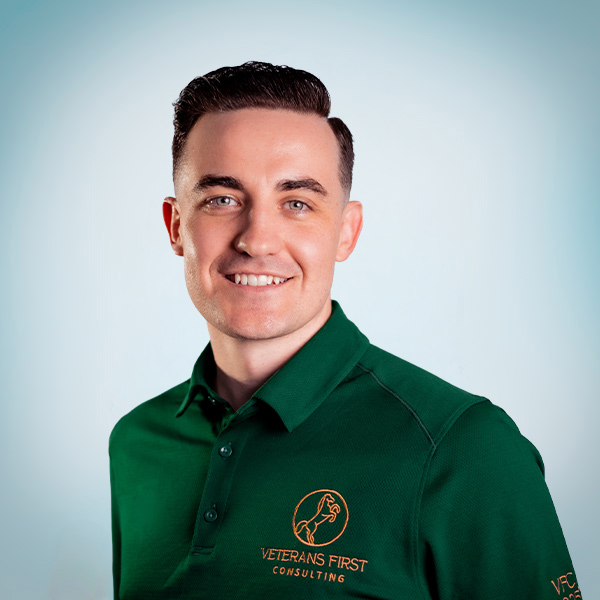
Written by
Common DVA FAQs
Have other questions?
Contact us so we can help.
Yes, eligible veterans can receive multiple benefits, such as healthcare, financial support, and education assistance. For example, veterans may combine income support payments with healthcare benefits and vocational training. The DVA ensures these benefits complement each other without duplication.
DVA payments, including financial compensation and pensions, are regularly reviewed and indexed to account for inflation. Adjustments ensure that veterans and their families maintain purchasing power as living costs rise. Updated rates are published annually in the DVA payment schedule.
Dependents, including spouses and children, can access financial support, education assistance, and healthcare benefits. For example, dependent children aged 16–25 in full-time education may qualify for financial aid to cover educational expenses. Spouses may receive support as carers or assistance with housing needs.
START YOUR CLAIM
Book a Free Call
Join more than 10,000 veterans in getting the support they deserve. Leave us a note and our experts will be in touch shortly to discuss your new claim or claim reassessment.
Zero upfront fees – only pay for successful claims
10,000+ veterans served – we know what we're doing
Australia's largest DVA advocacy group
Explore Related Articles

Australian Veterans: Support for Current and Ex-Serving Members and Families

What Is Veteran: Understanding Service and Support in Australia