

Are National Servicemen Entitled to a Veteran Card? Your Guide to DVA Eligibility and Support
Many National Servicemen wonder, are national servicemen entitled to a veterans card—and it’s a fair question. Serving your country is no small contribution, and it’s only right to ask what support you may be eligible for. But eligibility isn’t based on service history alone; it’s determined by DVA policy under the Military Rehabilitation and Compensation Act (MRCA), supported by medical evidence and formal assessments. This blog will help you understand your entitlements, the difference between card types, and how expert guidance can simplify the DVA claims process. Let’s break down what you need to know about securing the healthcare benefits you’ve earned.

Start Your Claim Today
Get expert help with the entire claims process and secure the entitlements you deserve. With zero upfront fees, you only pay for successful claims.
In this Article:
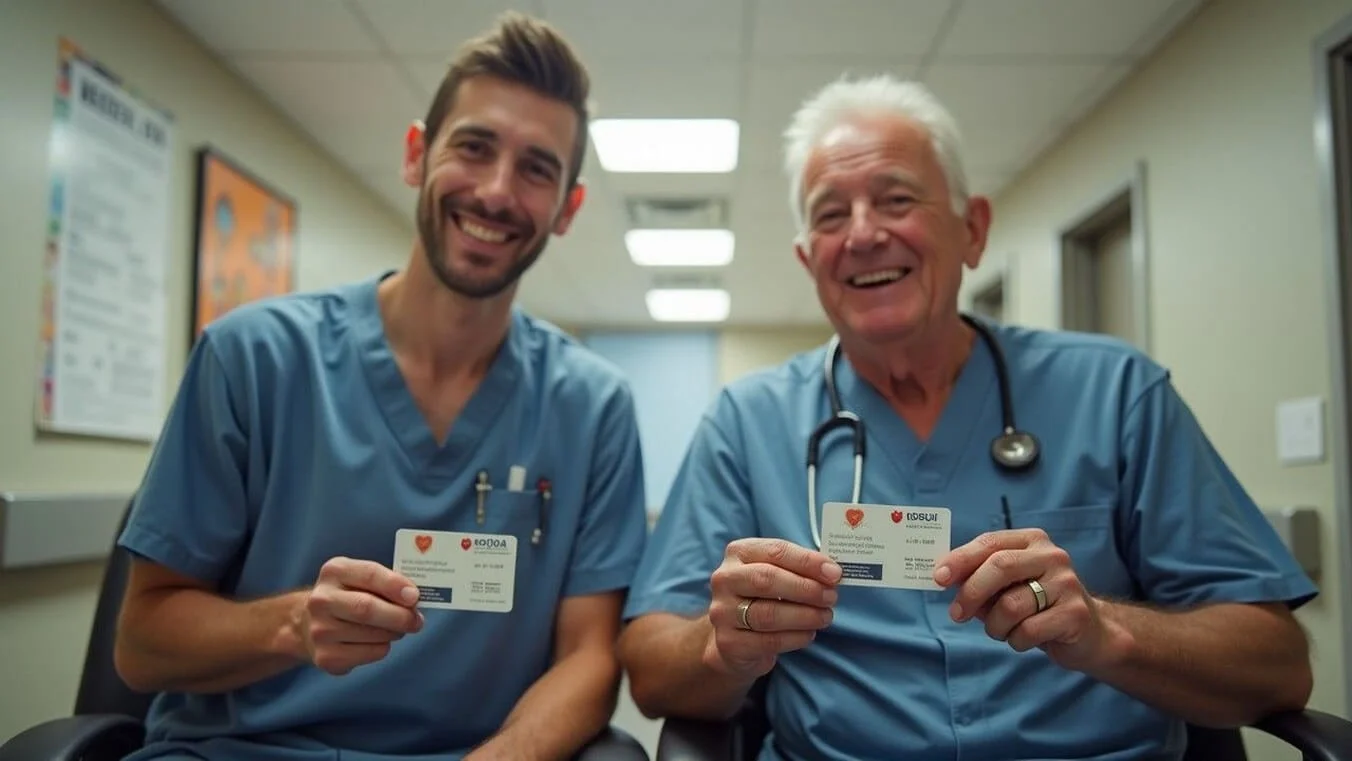
What Is a DVA Veteran Card?
You may have heard of the DVA Veteran Card if you’ve served in the Australian Defence Force (ADF). But what exactly is it—and what does it entitle you to? This section explains the different types of cards available, what they cover, and who qualifies for them. Whether you're a current or former ADF member or a National Serviceman, understanding your entitlements is an important first step toward accessing the right healthcare support.
The Department of Veterans’ Affairs (DVA) issues different types of veteran cards to provide access to DVA-funded health services. These are government-backed healthcare supports—not private health insurance policies.
DVA White Card – Treatment for Accepted Conditions Only
The Veteran White Card gives access to medical treatment for conditions that have been formally accepted by DVA as service-related. Your eligibility for treatment is directly linked to conditions that have been approved through the claims process.
White Card holders can:
- Access treatment for accepted medical and mental health conditions
- Receive allied health services such as physiotherapy, psychology or exercise physiology.
- Visit their doctor, who can prescribe treatment items (subject to DVA prior approval where required).
Additionally, veterans who have served at least one day of continuous full-time service may access free mental health treatment under the NLHC program and for specific conditions only. This includes coverage for PTSD, depression and substance use disorders.
For more on these benefits, see our article on Veteran White Card: Key Medical Services, Discounts, and Benefits.
DVA Gold Card – Access to Comprehensive Healthcare Benefits
The Veteran Gold Card provides access to treatment for all medical conditions for eligible cardholders, as per DVA guidelines:
- Treatment from GPs, specialists, hospitals and allied health professionals
- Prescription medicines, wound care items and nutritional supplements
- Additional DVA-funded services such as home care, respite and palliative care (where applicable)
Veterans cannot apply directly for a DVA Gold Card. Instead, eligibility is assessed under MRCA and granted upon reaching minimum impairment points.
To learn more about how eligibility is determined, read our guide on How Many Points for DVA Gold Card? A Veteran's Guide to Eligibility and Benefits.
Are National Servicemen Eligible for a Veteran Card?
If you served as a National Serviceman (Nasho), you might wonder whether you qualify for a veteran card. While National Service is recognised, entitlement is not automatic. It depends on your service classification and whether DVA has accepted a service-related condition under MRCA.
Eligibility Depends on Service Type and Accepted Conditions
Not all National Servicemen automatically qualify. You may be eligible if:
- You have a service-accepted condition, such as hearing loss or chronic back pain.
- Your claim is approved under MRCA
Some Nashos may also access free mental health treatment if they served at least one day of continuous full-time service.
Seek Expert Guidance to Maximise Your Entitlements
The eligibility landscape is not always straightforward. Many veterans assume they are either automatically covered or not eligible at all—when in reality, the answer depends on how well their conditions are documented and accepted by DVA. This is why working with a DVA claim specialist helps National Servicemen navigate the claims process and improve outcomes—helping them secure treatment access, compensation, and a better understanding of their entitlements. If you’re unsure whether you qualify for a veteran card, it’s worth seeking personalised advice.

Understanding Eligibility and DVA Claims
Eligibility for DVA-funded services under MRCA depends on accepted medical evidence—not just service history. Many veterans mistakenly believe years of service automatically qualify them for compensation or a veteran card.
Key criteria include:
- Minimum of 10 impairment points for permanent impairment compensation
- 60+ points for Gold Card eligibility under MRCA
- Formal submission of claims through MyService with supporting evidence
Every application is reviewed individually. Even conditions on the streamlined list require assessment and verification. For guidance on timeframes, see our article on Understanding DVA Claims Timeframe: What Veterans Need to Know.
Common Challenges Faced by Veterans in the DVA System
Many veterans—including National Servicemen—struggle with unclear eligibility requirements, DVA communication delays and claim rejections. It’s not uncommon to experience frustration when navigating the process alone.
Challenges include:
- Misunderstanding eligibility criteria and impairment requirements
- Delays in medical assessments and documentation processing
- Rejected claims due to incomplete or inaccurate submissions
Permanent impairment claims often take around 12 months or longer to complete. Professional guidance helps set realistic expectations and improves the strength of your application.
Take Control of Your DVA Claim Today
Every veteran deserves to be heard, supported, and fairly compensated—National Servicemen included. Yet navigating the DVA system alone can feel confusing, slow and frustrating. At Veterans First Consulting, we’re proud to stand beside those who’ve served, providing expert guidance to help veterans access the DVA-funded health services and compensation they are rightfully entitled to under MRCA. Whether you need clarity on eligibility, support with documentation, or help appealing a decision, our team is here to simplify the process and ensure your case is represented professionally. You’ve served your country—now let us help you secure the outcome you deserve. Not sure if you're eligible for a DVA card? Contact us today to receive expert guidance on your entitlements.
Written by

START YOUR CLAIM
Book a Free Call
Join more than 10,000 veterans in getting the support they deserve. Leave us a note and our experts will be in touch shortly to discuss your new claim or claim reassessment.
Zero upfront fees – only pay for successful claims
10,000+ veterans served – we know what we're doing
Australia's largest DVA advocacy group
Explore Related Articles

What Is Veteran: Understanding Service and Support in Australia

What Is the DVA? A Veterans’ Guide to Understanding DVA Services
