
DVA Advocacy and Representation: When Professional Support Matters
Confused by a DVA claims system that seems built to wear you down? With thousands of applications in the queue, many involving multiple conditions, it's normal to feel overwhelmed. This guide demystifies advocacy and representation for DVA claims by explaining what advocates do, when their expertise matters, and how they help you secure the entitlements you've earned.

Start Your Claim Today
Get expert help with the entire claims process and secure the entitlements you deserve. With zero upfront fees, you only pay for successful claims.
In this Article:
What Does a DVA Advocate Actually Do?
A DVA advocate works on your behalf to prepare, lodge, and manage your compensation claim from start to finish. Think of them as your representative in a system that can feel stacked against you.
Claims Preparation and Lodgement
The foundation of any successful claim is getting the paperwork right the first time. An advocate reviews your service history, identifies all conditions you may be eligible to claim, and gathers the medical evidence DVA needs to make a decision. This isn't just filling in forms. It's knowing which conditions qualify under MRCA legislation, understanding Statement of Principles requirements, and presenting your case in the language DVA delegates understand.
Many veterans don't realise they can claim for conditions beyond the obvious ones. A skilled advocate identifies secondary conditions you might not have considered, the sleep issues linked to your chronic pain, the anxiety stemming from your hearing loss, or the relationship impacts from your PTSD.

Communication and Liaison with DVA
Once your claim is lodged, the work isn't over. DVA requests additional information, asks clarifying questions, and sometimes needs more evidence. An advocate handles all this on your behalf:
- They track your claim's progress
- Respond to DVA within required timeframes
- Chase up delays
You focus on your health and family while they deal with the bureaucracy.
Appeals and Review Support
If DVA rejects your claim or assesses it at a lower rate than it should be, an advocate can guide you through the appeals process. This includes requesting reconsiderations, preparing submissions for the Veterans' Review Board, and representing your interests at hearings.
Appeals require a different approach than initial claims. You need to know why DVA said no and present new evidence or arguments that address their concerns directly.
When Professional Advocacy Delivers Real Value
Not every veteran needs professional advocacy. If you have a straightforward single-condition claim, good medical documentation, and time to manage the process yourself, you might be fine going it alone. But certain situations call for expert support.
Complex or Multiple Conditions
DVA data shows the average claim now includes more than four conditions, up from 2.6 conditions just three years ago. Each condition requires a separate decision, separate evidence, and separate assessment. The interactions between conditions matter too.
Professional advocates know how to present multiple conditions as a cohesive case. They know which conditions strengthen each other and how to demonstrate the cumulative impact on your life.
Permanent Impairment Claims
Permanent impairment claims determine your long-term compensation and can affect your eligibility for Gold Card benefits. Getting this wrong means potentially leaving significant money on the table, or worse, having to go through the entire process again when your condition worsens.
Impairment assessments follow strict guidelines in GARP (Guide to the Assessment of Rates of Veterans' Pensions). Professional advocates understand these guidelines and work with medical professionals trained to conduct DVA-specific assessments.
Appeals and Rejected Claims
If your claim has been rejected or under-assessed, you can usually apply to the Veterans’ Review Board (VRB). For most MRCA decisions, you generally have 12 months from the date of the decision to lodge your application with the VRB, and the VRB cannot extend this limit. Always check your decision letter for the exact timeframe and any specific instructions.
Professional advocates understand the VRB process and how to build a persuasive case that speaks to what VRB members need to see.
Time Constraints and Health Challenges
Let's be honest, if you're dealing with severe health conditions, you have better things to do than chase DVA paperwork. Many veterans come to us after trying to manage claims themselves while dealing with:
- Chronic pain
- Mental health challenges
- Recovery from surgery
Professional advocacy means someone else handles the admin while you focus on getting better.

Exploring Your Advocacy Options
You have choices when it comes to claim support. Knowing the differences helps you make the right decision for your situation.
Professional Advocates
Professional advocates dedicate their working hours to your claim, provide consistent communication, and coordinate evidence that aligns with DVA requirements. Our team understands how to present medical and service evidence so that decision-makers can act with confidence, especially for multi-condition claims, appeals, and Permanent Impairment cases.
At Veterans First Consulting, we operate on a success-based model with zero upfront fees. You only pay when we secure your entitlements, keeping our incentives fully aligned with yours.
ESO Advocacy Services
Ex-Service Organisations offer free advocacy through trained volunteers and can be an excellent support for simpler claims and general guidance. However, because volunteers balance many commitments, capacity and response times can vary, meaning complex cases may not receive the sustained attention they require. ESO support is best viewed as complementary rather than a substitute for professional representation on complex matters.
Key Differences That Matter
The practical differences come down to three things:
- Time
- Expertise
- Accountability
Professional advocates bring dedicated time, established expertise, and clear accountability, helping make sure your evidence is organised and presented effectively.
Current DVA Processing Realities
Knowing how DVA operates right now helps set realistic expectations, whether you're going it alone or working with an advocate.
Claims Volume and Timeframes
DVA typically processes initial liability claims within 12 months, and Permanent Impairment assessments can take an additional 12 months or more, depending on complexity. In practice, most claims take about 18–24 months from start to finish.
These timeframes improve when a claim is complete and well-supported from the outset. Missing documentation, unclear medical evidence, or administrative errors can lead to avoidable delays that extend processing even further.
Legislative Changes Ahead
The VETS Act, passed in February 2025, represents the biggest change to veteran legislation in decades. From 1 July 2026, all new claims will be assessed under the improved MRCA, with the VEA and DRCA closing to new claims.
What does this mean for you? If you have conditions that could be claimed under current legislation, now is the time to act. The transition period creates opportunities, but also potential complications for those unfamiliar with the changes.

What to Look for in a DVA Advocate
If you decide professional advocacy is right for your situation, here's what matters most.
MRCA Expertise
MRCA legislation governs most claims for veterans who served after July 2004. It's complex, with specific rules around impairment points, combining formulas, and benefit eligibility thresholds.
Ask potential advocates about their MRCA experience specifically:
- How many permanent impairment claims have they managed?
- Do they understand the 10-point minimum threshold?
- Can they explain how the combining formula works?
Medical Provider Networks
The quality of your medical evidence directly impacts your claim's success. Professional advocates maintain networks of GPs, psychiatrists, and specialists who understand DVA's assessment requirements and can provide trauma-informed, service-aware care as part of your ongoing treatment.
This matters more than most veterans realise. A generic medical report might confirm your diagnosis, but a DVA-savvy specialist knows exactly what information delegates need to approve your claim and assess your impairment accurately.
Communication and Transparency
You deserve to know what's happening with your claim at every stage. Good advocates:
- Provide regular updates
- Explain decisions in plain language
- Answer your questions without making you feel burdened
Ask about communication frequency, response times, and how they'll keep you informed throughout the process.
Taking the Next Step with Your Claim
The DVA claims system will never be simple. But with the right support, it doesn't have to be overwhelming either. If you're considering a claim or struggling with one that's already underway, we're here to help. Veterans First Consulting has helped over 10,000 veterans secure their rightful entitlements. With zero upfront fees, you only pay for successful claims. Contact us today to discuss your situation and find out what you may be entitled to.
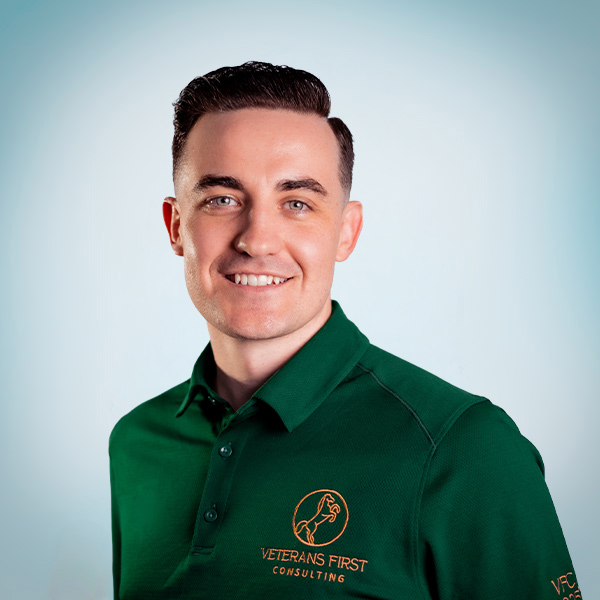
Written by
START YOUR CLAIM
Book a Free Call
Join more than 10,000 veterans in getting the support they deserve. Leave us a note and our experts will be in touch shortly to discuss your new claim or claim reassessment.
Zero upfront fees – only pay for successful claims
10,000+ veterans served – we know what we're doing
Australia's largest DVA advocacy group
Explore Related Articles

DVA Automatically Accepted Conditions: Streamlined Eligibility & Support for Veterans

DVA Claim Form: A Step-by-Step Guide to Compensation and Support for Veterans under MRCA