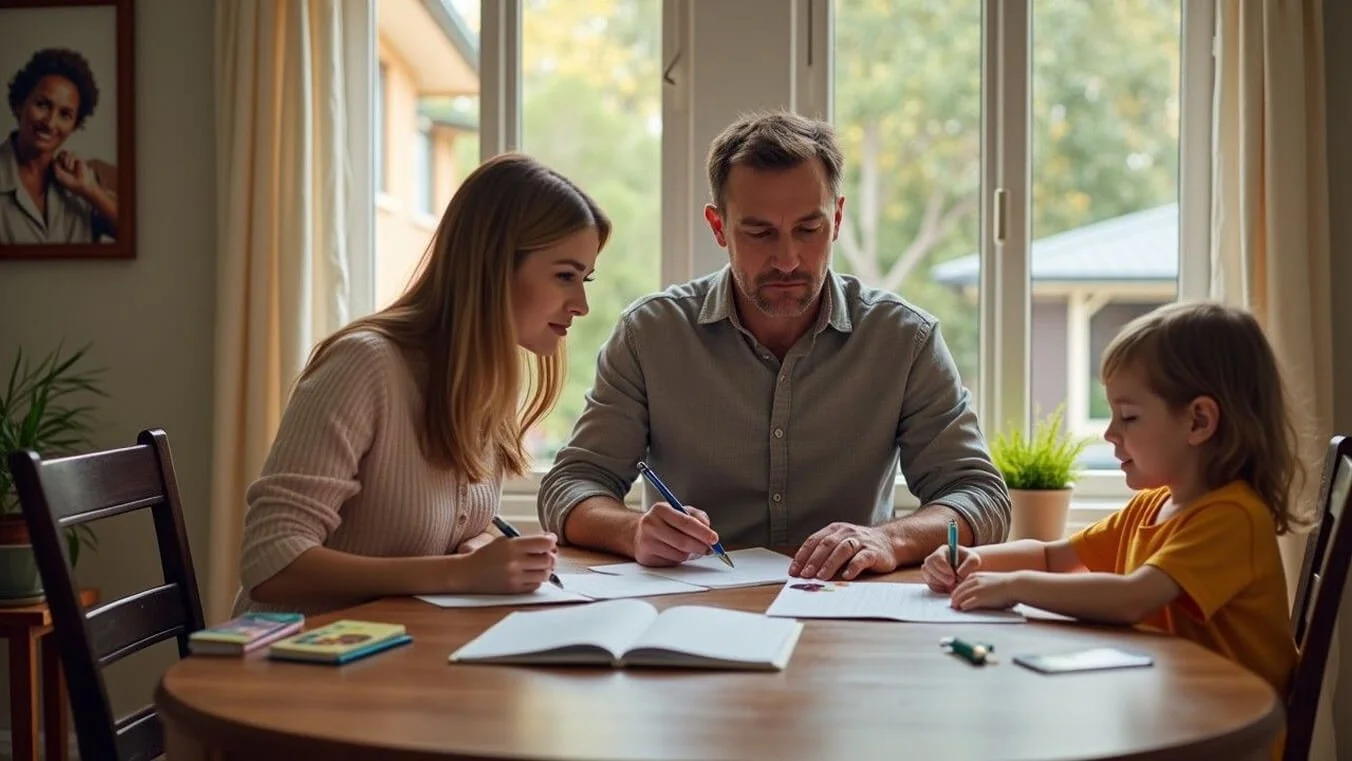
Support Groups for Spouses of PTSD Veterans: Where to Find Real Help
If you love a veteran living with PTSD, you carry a quiet weight that few people understand, and finding support groups for spouses of PTSD veterans can be the moment you stop feeling so alone.In this guide, I’ll show you where that support exists in Australia, who can use it and how the right help for your partner can point your family towards the support pathways available.
Start Your Claim Today
Get expert help with the entire claims process and secure the entitlements you deserve. With zero upfront fees, you only pay for successful claims.
In this Article:
Why Spouses of Veterans With PTSD Need Their Own Support
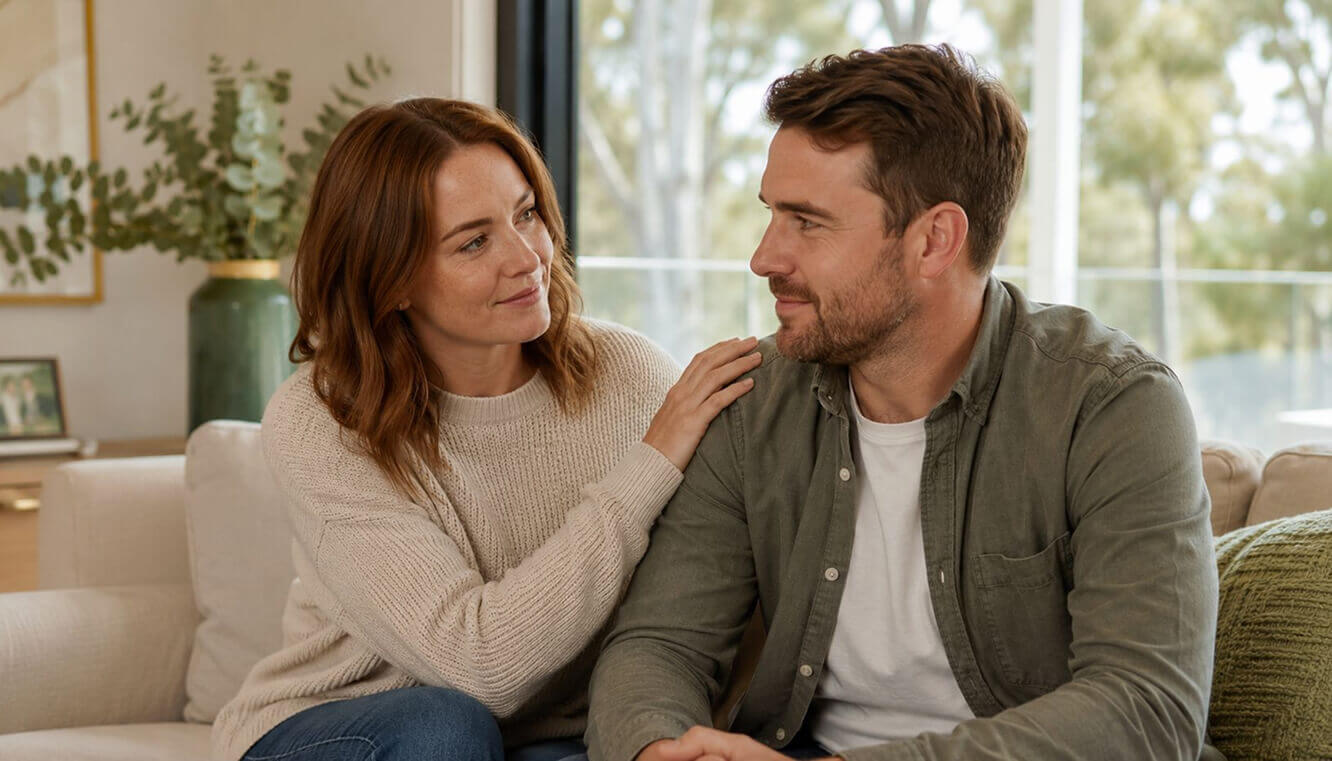
Caring for a partner with post-traumatic stress is its own kind of service, and it takes a real toll on the person doing the caring. Spouses often absorb the stress quietly while keeping the household running, which is why peer support matters so much.
PTSD is far more common in the veteran community than most people realise.
The Department of Veterans' Affairs reports that the estimated rate of PTSD sits at around 17.7% among ex-serving ADF members, compared with roughly 5.7% across the general population. When you also consider that the National Study of Mental Health and Wellbeing found about 11% of Australians experience PTSD at some point in their lives, the scale of the issue becomes clear. Behind many of those numbers is a partner holding things together.
The Hidden Load Partners Carry
The strain on partners is well documented, not imagined. Open Arms explains that partners of veterans with PTSD often describe "walking on eggshells" and can experience anxiety, depression, social isolation and hopelessness as a result of their partner's trauma.
A South Australian study of female partners of veterans with PTSD found that a lack of understanding from health providers and government left many carers feeling socially disconnected and invisible, which made coping even harder. Recognising that load is the first step toward easing it.
You Are Not Failing Your Partner
Many spouses quietly believe they should be able to fix things on their own. That belief leads to burnout. Connecting with people who truly understand your situation is not a sign of weakness, it is one of the smartest things you can do for both yourself and your partner.

Australian Support Groups and Services for Veteran Spouses
Australia has dedicated services for partners and families of veterans. Some, such as Open Arms, are free, while others may run through membership or branch-based participation. The two below are the strongest starting points, and neither one depends on a DVA claim being approved first.
Open Arms: Counselling and Group Programs for Families
Open Arms – Veterans & Families Counselling is a national service spouses can turn to first. Open Arms provides counselling, along with group programs and workshops, as a specialised, free and confidential service for eligible veterans and families.
Eligibility is broad. Open Arms can support:
- Partners and some ex-partners of people who have served at least one day of continuous full-time service in the ADF
- Eligible veterans and family members seeking free and confidential counselling, with phone support available 24/7
- Veterans and partners who want to attend eligible Open Arms group programs, including Stepping Out where available
- People who may be able to access selected Open Arms group programs, depending on eligibility, program availability and intake requirements
These group settings put you in a room, online or in person, with others who understand exactly what your days look like.
Partners of Veterans Association of Australia
For ongoing peer connection, the Partners of Veterans Association of Australia (PVA) was built by and for people in your position. As the national body, the PVA describes itself as committed to supporting the welfare, health and special needs of partners and families of past and present: ADF members, offering friendship, support, information and understanding through branches across the country.
The PVA website lists branches in:
- New South Wales
- Victoria
- Queensland
- Western Australia
- South Australia
Its Queensland branch also lists group meetings in several locations, including Brisbane, Bundaberg, Mackay, Townsville and a virtual group. For many partners, this is where long-term friendships form, with people who simply get it.
Other Family Support Options
A few additional services can complement the groups above:
- Relationships Australia may help with counselling, mediation and family dispute resolution when PTSD strains the relationship
- Your GP can help you develop a mental health care plan if you or a family member is struggling
If you would like to understand how professional counselling fits alongside these peer groups, my guide on counselling support available to veterans and their families walks through the options in more detail.
How Your Partner's DVA Claim Can Strengthen Family Support
Here is something most articles on this topic miss entirely. Peer support groups are open to you regardless of any DVA decision, but DVA support works through different pathways.
These pathways can include:
- Non-Liability Health Care, which may allow eligible veterans to access mental health treatment without proving the condition was caused by service
- Veteran Payment, which depends on a lodged mental health claim and DVA eligibility checks, not an accepted claim
- Household Services, rehabilitation and Veterans’ Home Care, which each have separate eligibility rules
This is where peer support and DVA claim guidance connect.
Why the Claim Affects the Whole Household
In my work with veterans and their families, I often see partners focus only on the veteran’s claim because they do not realise how much the outcome can affect the whole household.
A clear claim does not replace peer support or counselling, but it can help DVA assess the veteran’s service-related condition properly and may open the door to support that reduces pressure at home.
When DVA accepts a veteran’s mental health condition, it may change which supports are available, depending on the veteran’s card, accepted conditions and DVA assessment. Our role is to help make the evidence clear so DVA can assess the claim properly.
In PTSD claims, I often see partners notice the daily functional impact before anyone else does: broken sleep, withdrawal, irritability, avoidance, missed work, medication side effects or the way household routines change around the veteran’s symptoms.
I use that context to help the veteran organise the right evidence, explain the practical impact of the condition and avoid lodging a claim that only names a diagnosis without showing how it affects daily life.
This does not decide the outcome, but it can make the evidence clearer for DVA assessment.

Treatment Access for Your Partner
Mental health treatment is the foundation, but it does not always have to wait for an accepted PTSD claim. Eligible veterans may access DVA-funded mental health care through Non-Liability Health Care before DVA accepts liability for PTSD, provided they have a Veteran White Card that covers mental health.
Gold Card holders are already eligible for mental health treatment. If DVA accepts PTSD as a service-related condition, the veteran may be able to access further support through the relevant pathway. For many families, that can reduce some of the practical pressure at home, but access still depends on eligibility, assessment and the type of support being sought.
Treatment access depends on the type of DVA card a veteran holds and the eligibility pathway behind it.
- A DVA White Card may cover accepted service-related conditions and, for eligible veterans, mental health treatment through Non-Liability Health Care
- A DVA Gold Card can provide broader treatment access, but eligibility may involve MRCA impairment points, SRDP eligibility or other DVA criteria
My overview of what veterans can claim from the DVA under MRCA explains how card eligibility and impairment points work together.
Interim Income Support While You Wait
Money worries make everything harder, and Veteran Payment may help some eligible veterans while DVA assesses a mental health claim. The DVA confirms that Veteran Payment is an interim payment available while it assesses a mental health claim under the MRCA or DRCA.
To be eligible, the veteran must generally:
- Have lodged a mental health claim
- Be unable to work more than eight hours a week
- Meet residency, income and assets rules
- Be in Australia when the claim was lodged
- Have lodged the claim before reaching the Age Pension age
- Are below the income and assets test thresholds
Eligibility must still be verified by DVA, and approval is not guaranteed, but it can steady a household during a long assessment.
Help Around the Home
Practical support can lighten the load you have been carrying alone.
Depending on eligibility, support may include:
- Household Services linked to an accepted service-related condition
- Rehabilitation support linked to an accepted service-related condition
- Veterans’ Home Care, which uses a separate assessment pathway for eligible Gold Card and White Card holders with specific conditions and/or Non-Liability Health Care
My explanation of how DVA rehabilitation support works covers the physical, psychological and social supports that may be available, depending on the accepted condition, assessment outcome and program rules.
What Is Changing for Veterans and Families in 2026
The veteran claims system changed from 1 July 2026, and some of those changes may matter for families.
The DVA has confirmed that from 1 July 2026, the Veterans' Entitlements Act and the DRCA will close to new claims, with DVA assessing new claims under an improved Military Rehabilitation and Compensation Act.
DVA has also stated that existing compensation payments and services will continue when the new framework starts, and veterans do not need to take action for those payments to continue. There is also a relevant change for families with eligible young persons.
The department notes that from 1 July 2026, section 80 of the MRCA will expand to include primary carers in respect of Eligible Young Persons payments, meaning the primary carer or guardian of a dependent young person can be the payment recipient.
Because the system is changing, getting a claim prepared clearly and correctly matters more than ever.
We work with former DVA delegates and DVA-experienced specialists who understand how claims are assessed, and use that experience to help families prepare for what is ahead.
You can learn more about our approach on the permanent impairment claims service page.
If You or Your Partner Needs Help Right Now
Some days the weight feels like too much, and immediate support exists for exactly those moments. Reaching out takes courage, and help is always available.
If you are worried about your partner, yourself or your family, you do not have to wait. Open Arms offers free and confidential counselling 24 hours a day, every day, with anonymous support available through its Safe Zone line.
If anyone is in immediate danger, call 000. You can also speak with your GP, who can connect you with specialist mental health support suited to your situation.

You Do Not Have to Carry This Alone
Peer connection through Open Arms and the Partners of Veterans Association can help you feel less isolated, while a clear DVA claim may help your partner access eligible entitlements through the right pathway.
Mental health treatment may also be available through Non-Liability Health Care before a PTSD claim is accepted, depending on eligibility.
If your partner’s service-related conditions may qualify for DVA support, contact Veterans First Consulting for clear guidance on the next step.
Written by
START YOUR CLAIM
Book a Free Call
Join more than 10,000 veterans in getting the support they deserve. Leave us a note and our experts will be in touch shortly to discuss your new claim or claim reassessment.
Zero upfront fees – only pay for successful claims
10,000+ veterans served – we know what we're doing
Australia's largest DVA advocacy group
Explore Related Articles
Culinary Program for Veterans: Transitioning Your Military Skills to a Hospitality Career
Veterans Program Guide: How to Access DVA Support, Compensation and Community Benefits