
Care for Veterans: How to Access DVA Services, Home Support and Aged Care
Finding the right care for veterans isn’t just about getting medical treatment—it’s about building the support you need to live independently, safely and with dignity at home. Under MRCA, access to services depends on your eligibility, accepted conditions and impairment points, and nothing happens automatically. That’s where many veterans get stuck—navigating complex programs, card types and referrals without a clear roadmap. This blog breaks down the essentials so you can understand your options, avoid duplication, and access the support you’ve earned with confidence.

Start Your Claim Today
Get expert help with the entire claims process and secure the entitlements you deserve. With zero upfront fees, you only pay for successful claims.
In this Article:
What Is Care for Veterans and Who Provides It?
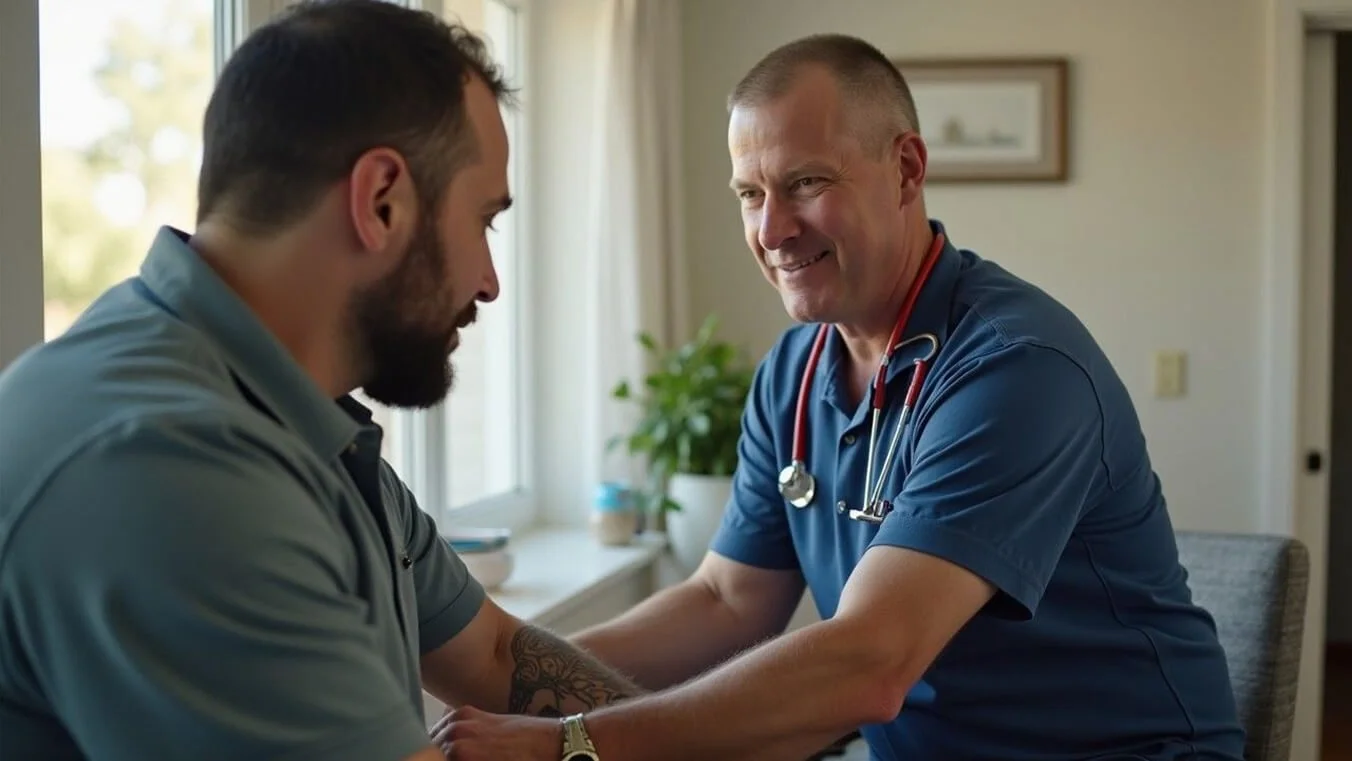
Care for veterans refers to a network of government-funded services designed to help eligible veterans live safely, comfortably, and independently in their own homes. These services are practical—supporting everyday tasks, ongoing recovery, and health management—so veterans can focus on their wellbeing, not paperwork.
Two of the most important care programs are delivered through the Department of Veterans Affairs (DVA):
- Veterans’ Home Care (VHC) Program: This program offers entry-level help at home, including domestic assistance, personal care, safety-related maintenance, and short-term respite.
- Community Nursing Program: Supports more complex or chronic care needs through medication management, wound care and hygiene assistance.
These services are funded by DVA and delivered by approved home care providers following a referral from a GP or a state-based VHC assessment agency.
At the same time, veterans may also access support from My Aged Care, including programs like the Commonwealth Home Support Programme (CHSP) and Short-Term Restorative Care (STRC). These services are separate from DVA but can work in tandem to extend care options.
The key is coordination. Veterans may receive support from both DVA and My Aged Care as long as the services are not duplicated. Proper referrals ensure services are complementary, not duplicated.
Key Care Services Available Through DVA
The DVA funds practical care services to help eligible veterans live independently and safely. These government-funded programs focus on low-level assistance for daily tasks, personal health management and support for ongoing or complex conditions. All services fall under MRCA legislation and require a GP referral or formal VHC assessment, depending on the type of care requested.
Veteran’s Home Care (VHC)
The Veterans’ Home Care program offers practical, in-home support to help eligible veterans and their families manage daily living. Depending on assessed needs, this may include help with cleaning, laundry, personal hygiene, minor home maintenance and short-term respite care for carers.
Following a referral, a regional VHC assessment agency reviews the veteran’s situation and connects them with local service providers who deliver care directly in the home. This support aims to reduce health risks, maintain independence and ease pressure on both veterans and their carers.
Community Nursing Program
Veterans with higher care needs can access the Community Nursing Program, which includes:
- Medication management and monitoring
- Wound care and post-hospital treatment
- Help with hygiene and chronic condition management
These services support ongoing recovery and are delivered by qualified home care providers.
White Card Services
Veterans with a White Card may receive care for accepted service-related conditions. White Card care is limited to DVA-accepted conditions, and prior approval is required for certain high-cost services.
Veteran’s Supplement
For veterans living with an accepted mental health condition, the Veterans’ Supplement provides additional funding to home care or residential care providers. This ensures care aligns with mental health needs and is funded appropriately under MRCA.
Prior Approval for Complex Services
Some services—such as dental procedures or palliative care—require DVA approval before funding. Speaking with a claims specialist is vital to ensure the correct documentation is submitted upfront.
These care programs form a safety net for eligible veterans, but navigating them alone can be challenging. Understanding your entitlements and when to request help is the first step toward accessing reliable, long-term support.
Who Is Eligible for These Services?
Eligibility for veteran care services under the Military Rehabilitation and Compensation Act (MRCA) depends on several factors, including accepted conditions, cardholder status and support required. Access to care is not automatic. Each application is reviewed, and services must be approved before they begin.
- Gold Card holders: Generally have access to a broader range of care services, including medical treatment for all conditions, regardless of whether they are service-related. However, veterans become eligible for a DVA Gold Card once they reach 60 or more impairment points under MRCA. There is no direct application process—the card is issued based on assessed eligibility.
- White Card holders: Can receive treatment for accepted conditions only, including palliative care when directly linked to those conditions.
Veterans with accepted mental health or physical conditions may be eligible for community nursing or personal care, depending on assessed needs. Access requires a GP referral, VHC assessment, and prior approval for some services.
In exceptional cases, younger veterans under 65 can access support if their care needs are exceptional and tied to a service-related condition.
War widows, widowers and former Prisoners of War may also qualify for additional care funding or reduced costs based on their unique status.
If you're not sure where you stand, seeking advice from a DVA claim specialist can help you confirm what you may be eligible to receive.

Coordinating Care with My Aged Care
Many eligible veterans can access support through both DVA services and My Aged Care—but it’s important to understand how these systems work together. Each service must be individually approved, and veterans cannot receive the same type of care from both systems at the same time.
Examples of how programs can complement each other:
- DVA Veterans’ Home Care (VHC):
Provides entry-level support such as:- Domestic assistance
- Personal care
- Safety-related home maintenance
- Commonwealth Home Support Programme (CHSP):
May be used for:- Meal delivery
- Transport services
- Social support
- Short-Term Restorative Care (STRC) programme:
Offers early intervention for those needing short bursts of help to maintain independence, even if already receiving:- DVA-funded community nursing
- Recovery-based care
For these programs to work effectively together:
- Service providers must be aware of a veteran’s DVA entitlements to bill correctly and avoid conflicts in care delivery.
- To avoid duplication, families should always confirm whether a service is available through DVA before proceeding with My Aged Care.
To explore how DVA-funded care works alongside other options, visit our guide to DVA Home Care support. Precise coordination ensures veterans receive the right support, at the right time.
Common Challenges Veterans Face in Accessing Care
Veteran care programs offer vital support, but navigating them can be difficult. Some of the most common challenges include:
- Confusion around DVA card types: Many veterans are unsure of the difference between Gold and White Cards, leading to uncertainty about what care they’re entitled to.
- Coordination issues with My Aged Care: Managing support across DVA and My Aged Care programs can be complex, especially when providers aren’t aware of the “no duplication” rule.
- Delays caused by paperwork or missing documents: Claims often stall due to incomplete referrals, incorrect forms or delays in required medical assessments—particularly for veterans with complex care needs.
- Inconsistent communication or follow-up: Navigating multiple programs and departments without clear guidance can leave veterans feeling overlooked or stuck in the system.
Getting support from a DVA claim specialist can help veterans avoid these pitfalls. While success can’t be guaranteed, expert help improves application accuracy, speeds up processing, and reduces unnecessary delays. To better understand claim timeframes and what to expect, see our article on the DVA claims timeframe.
Understanding Permanent Impairment and Accessing Broader Support
Many DVA entitlements, including access to advanced care and support, depend on the outcome of a permanent impairment assessment. Under the MRCA, veterans need at least 10 impairment points to qualify for compensation. These points are awarded based on how an accepted condition affects daily living—not just its medical diagnosis.
To qualify for a DVA Gold Card, veterans must reach 60 impairment points or more. This is based on the combined impact of all accepted service-related conditions and is not tied to TPI status or a single diagnosis.
Impairment points are assessed using clinical criteria. For instance, points for lumbar spondylosis are assigned as follows:
- 0 for none
- 5–10 for mild
- 10–20 for moderate
- 20–30 for severe cases
The type of service—warlike or non-warlike—can also influence how points are calculated and which benefits apply. Veterans with warlike service may access support under different thresholds.
To understand how these scores influence your entitlements, see our guide on How Many Points for DVA Gold Card? Knowing your score helps you take action with clarity and confidence.

Getting Help from a DVA Claim Specialist
Accessing your DVA entitlements takes more than just meeting the criteria—it requires careful planning, clear documentation and a deep understanding of the system. That’s where a DVA claim specialist makes all the difference.
At Veterans First Consulting, we provide paid, professional support tailored to your unique needs. Our team specialises in MRCA claims and complex care coordination, guiding you from your first assessment through to the final outcome.
Whether you're navigating permanent impairment points, understanding care program eligibility or managing approvals between DVA and My Aged Care, we’re here to help you avoid delays and unnecessary setbacks.
We don’t take shortcuts or leave anything to chance. With personalised guidance and experienced hands on your case, you’ll feel confident knowing your claim is in the right hands. If you’re ready to take the next step, we’re ready to support you—every step of the way.
Maximise Your DVA Benefits with Expert Support
Accessing DVA care can help eligible veterans stay independent and supported—but only if the proper steps are taken. Referrals, documentation, and service approvals must align with MRCA rules, and DVA and My Aged Care programs can’t be used for the same type of care at the same time. With complex eligibility points, card types and care pathways to manage, it’s easy to hit delays or miss out on support. Veterans First Consulting has helped thousands of veterans overcome these hurdles with expert guidance, faster access and confident claims. Not sure what you’re entitled to? Reach out to us today for tailored support on DVA care programs, points-based eligibility and coordinated services—so you can focus on your wellbeing, not the red tape.
Written by
START YOUR CLAIM
Book a Free Call
Join more than 10,000 veterans in getting the support they deserve. Leave us a note and our experts will be in touch shortly to discuss your new claim or claim reassessment.
Zero upfront fees – only pay for successful claims
10,000+ veterans served – we know what we're doing
Australia's largest DVA advocacy group
Explore Related Articles

Transitioning from Military to Civilian Life: A Veteran's Guide to DVA Support and Compensation

Veterans Recognition Program: Veteran Card, Lapel Pin and DVA Support Explained