
Veterans Assistance Programs: A Complete Guide to DVA Support in Australia
If you've served in the Australian Defence Force, you've earned access to a wide range of veterans assistance programs designed to support your health, finances, and transition to civilian life. This guide breaks down the major DVA programs, what they cover, and how to make sure you're getting everything you're entitled to receive.

Start Your Claim Today
Get expert help with the entire claims process and secure the entitlements you deserve. With zero upfront fees, you only pay for successful claims.
In this Article:
What Veterans Assistance Programs Are Available Through DVA?
The Department of Veterans' Affairs runs a broad support system that covers:
- Healthcare
- Mental health
- Support and veteran entitlements
- Housing
- Employment
- Rehabilitation
Understanding the full picture helps you identify where you may be missing out.
Healthcare Programs and Veteran Cards
Your access to DVA-funded healthcare depends on which veteran card you hold. According to DVA's veteran support system overview, there are currently around 103,000 Gold Card holders and 188,000 White Card holders receiving healthcare support across Australia.
The DVA Gold Card covers all clinically necessary medical treatment, regardless of whether your condition is connected to service. To qualify, you need 60 or more MRCA impairment points from accepted conditions. Gold Card holders can access:
- GP visits
- Specialist consultations
- Hospital care
- Allied health services
- Dental
- Optical care
- Subsidised pharmaceuticals through the RPBS
The Veteran White Card covers treatment for accepted service-related conditions only. You receive a White Card once DVA accepts at least one of your conditions through the initial liability process. White Card holders can also access mental health treatment through Non-Liability Health Care without needing to prove service connection.
Over 99% of healthcare services are accessed through your GP, with DVA simply paying the bill. That means once you hold the right card, getting treatment is straightforward.

Mental Health Support
Mental health care is a cornerstone of veterans assistance programs, and it's an area where you don't always need an accepted claim to get help.
The Non-Liability Health Care (NLHC) program provides fully funded mental health treatment for any current or former full-time ADF member who has served at least one day of continuous service. This covers conditions such as:
- PTSD
- Anxiety
- Depression
- Alcohol or substance use disorders
You don't need to prove your condition was caused by service to access treatment.
Open Arms – Veterans and Families Counselling is a free, confidential service available 24 hours a day, seven days a week. In 2023–24, Open Arms delivered more than 300,000 services to over 42,000 veterans and family members. Without needing a DVA claim or diagnosis, you can access:
- Individual counselling
- Couples counselling
- Family counselling sessions
- Peer support workers
- Group programs
The Defence and Veteran Mental Health and Wellbeing Strategy 2025–2030 now guides how both Defence and DVA approach psychological support. This strategy prioritises wellbeing from the day you sign up through to life after service, recognising that mental health exists on a continuum and doesn't stop when you hang up your uniform.
Financial Support and Veteran Entitlements
Financial support programs form an important part of the broader veterans assistance system.
DVA provided $8.3 billion in total support in 2023–24, assisting more than 159,000 veterans and families across healthcare, financial support, and wellbeing programs.
The main financial support pathways under MRCA include:
- Permanent Impairment Payments: Lump sum or periodic payments based on your impairment points and lifestyle impact. You need a minimum of 10 impairment points to qualify. Our permanent impairment claims service helps you build comprehensive evidence so you can access the full range of entitlements available to you.
- Incapacity Payments: Financial support when an accepted condition prevents you from working, calculated based on your normal earnings.
- Special Rate Disability Pension (SRDP): Tax-free financial support for veterans whose service-related conditions prevent them from working.
- Eligible Young Persons Payments: Additional financial support for veterans with dependent children, recognising the extra financial responsibility of supporting a family.
DVA financial support is assessed using impairment points rather than percentages. One point closely reflects 1% impairment, but MRCA uses its own scale. Your total points from all accepted conditions determine your payment level, and reaching 60 points unlocks the Gold Card for comprehensive healthcare.
How to Access Veterans Assistance Programs
Getting access to most veteran assistance programs starts with one step: lodging a claim with DVA. Without an accepted claim, your access to healthcare cards, financial support, and many support services remains limited.
The DVA Claims Process
The DVA claims process begins with an initial liability claim, which establishes that your condition is connected to your ADF service. One claim can include multiple conditions, and getting this right from the start is critical.
DVA has made progress on processing times since clearing its claims backlog in early 2024. Initial liability claims under MRCA are now processed on average within 110 days. While that's a significant improvement from when claims sat unprocessed for months or years, the full permanent impairment process from start to finish can still take 12 months or longer, depending on complexity, delegate assignment, and the team handling your file.
This is where professional guidance makes a real difference. Our initial liability claims service helps you submit comprehensive evidence from day one, reducing delays caused by incomplete documentation or missed conditions. Many veterans don't realise they're eligible to claim for conditions they haven't yet reported.
DVA Rehabilitation Programs
Once DVA accepts your conditions, you may be eligible for rehabilitation support designed to help you recover and build a meaningful civilian life. The DVA rehabilitation framework covers three key areas.
Medical management connects you with health professionals in your area and helps you build the health literacy to manage your conditions proactively. Psychosocial rehabilitation addresses barriers to daily functioning, including:
- Budgeting support
- Coping strategies
- Community re-engagement
Vocational rehabilitation helps you find or sustain suitable employment, recognising that work can be a powerful part of recovery.
Working with our DVA claims specialists helps you access the full scope of rehabilitation support your accepted conditions warrant.

Employment and Transition Programs
Leaving the ADF isn't just changing jobs. It's stepping away from:
- A community
- A structure
- A purpose
The right veteran assistance programs can bridge that gap.
Veteran Employment Program
The Veteran Employment Program (VEP) connects veterans with civilian employers who value military skills and experience. The program includes a Veteran Employment Toolkit with practical resources for translating ADF skills into:
- Civilian language
- Writing applications
- Preparing for interviews
The VetPaths program, delivered through the Australian Public Service, offers a six-month pathway into government careers with mentoring, networking, and formal learning and development. Multiple agencies participate, including Defence and DVA themselves, giving veterans a structured entry point into meaningful public sector work.
For more details on available pathways, our guide to employment support for veterans covers:
- DVA employment programs
- Skills translation
- Career planning resources
Housing Assistance for Veterans
Financial stability after service often starts with stable housing. DVA provides several housing-related programs, though each has specific eligibility requirements.
The Defence Service Home (DSH) loan scheme offers low-interest home loans to eligible veterans with a Certificate of Entitlement. Rent assistance is available as a supplementary fortnightly payment for veterans receiving DVA income support who pay private rent. Emergency and crisis housing options also exist for veterans at risk of homelessness.
Our guide to housing entitlements for veterans explains each pathway in detail, including how confirming your DVA entitlements first can put you in a stronger position to access appropriate housing support and long-term stability after service.

Veterans' and Families' Hubs
One of the most practical recent developments in veterans assistance programs is the Veterans' and Families' Hubs network. These physical spaces bring together services under one roof, allowing veterans and families to access:
- Wellbeing support
- Advocacy
- Employment advice
- Housing guidance
- Social connection
There are now ten Hubs operating across Australia in locations including:
- Perth
- Townsville
- Adelaide
- Wodonga
- Nowra
- Darwin
- Caboolture
- Burnie
Some Hubs already host DVA services on-site, such as Open Arms counselling, Veteran Support Officers, and chaplaincy programs. A further Hub in Bendigo, Victoria, was committed in the 2025 Federal Election with $5million in funding.
The Hubs are open to all veterans, serving ADF members, reservists, and families. Each Hub tailors its services to local community needs, so what's available may vary by location.
Recent Reforms Shaping Veterans Assistance Programs
The landscape of veteran support is changing significantly, driven by the Royal Commission into Defence and Veteran Suicide and the government's response.
Royal Commission Recommendations
The Royal Commission's Final Report, delivered in September 2024, contained 122 recommendations for systemic reform across Defence and DVA. The Australian Government agreed or agreed in principle to 104 of those recommendations. In a December 2025 update, it reported it was on track to have 32 of those recommendations implemented by the end of 2025, with work continuing on the remainder.
A key outcome was the establishment of the Defence and Veterans' Services Commission (DVSC), which commenced operations in September 2025 as an independent body focused on preventing suicide among current and ex-serving ADF members.
The AIHW's monitoring data shows that while suicide rates among ex-serving personnel have been declining in recent years, those who separate from the ADF involuntarily, particularly for medical reasons, remain at significantly higher risk. Ex-serving males who left for medical reasons had a suicide rate almost three times higher than those who separated voluntarily.
The VETS Act: Simplifying the System
One of the most significant reforms is the Veterans Entitlements Treatment and Support Act, which passed Parliament in February 2025. From mid-2026, all veteran claims will be assessed under one single piece of legislation instead of the current three-Act system (MRCA, VEA, DRCA). This is being described as the most significant reform to how veterans are supported in a century.
For veterans currently going through the claims process, the existing MRCA framework still applies. But these changes signal a strong commitment to making the system less confusing and more responsive.
Family Support Programs
Veterans assistance programs extend beyond the veteran, recognising the vital role families play in recovery and wellbeing. The Defence and Veteran Family Wellbeing Strategy 2025–2030 acknowledges that ADF service creates both opportunities and challenges for those closest to serving members.
The Gold Card funds clinically required treatment for the veteran themselves. It is not a family health card. However, families can still access dedicated support. Open Arms provides free, confidential counselling and support to partners, dependent children under 26, and eligible ex-partners within five years of separation, even if they do not hold a DVA health card.
Our guide to veterans' mental health services covers the full range of support available to both veterans and their families, including how to access free counselling without a DVA claim.
Your Next Step Towards Getting the Support You Deserve
Many veterans we work with discover they're eligible for conditions and entitlements they didn't know about, and that one comprehensive claim can open doors to ongoing support, treatment, and financial security. Contact Veterans First Consulting today to assess your potential DVA entitlements and take the first step towards getting what you've earned.
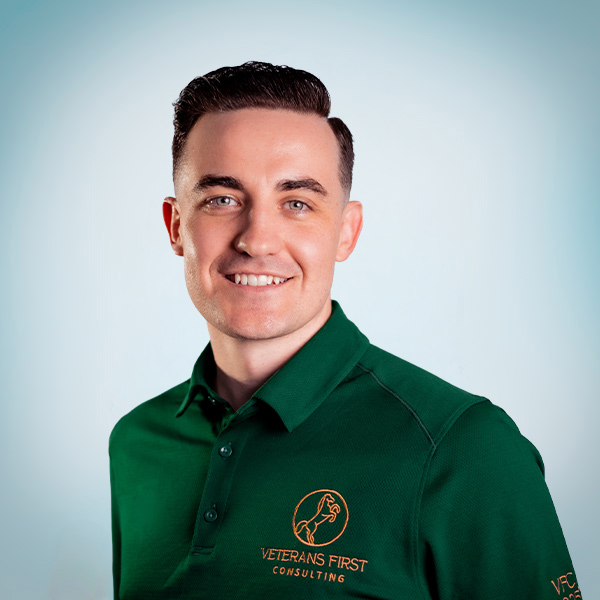
Written by
START YOUR CLAIM
Book a Free Call
Join more than 10,000 veterans in getting the support they deserve. Leave us a note and our experts will be in touch shortly to discuss your new claim or claim reassessment.
Zero upfront fees – only pay for successful claims
10,000+ veterans served – we know what we're doing
Australia's largest DVA advocacy group
Explore Related Articles

Veteran PTSD Support Groups: What's Available and How to Access Them

Ways to Support Veterans in Australia