

ABOUT US
We’re Australia’s largest independent advocacy group
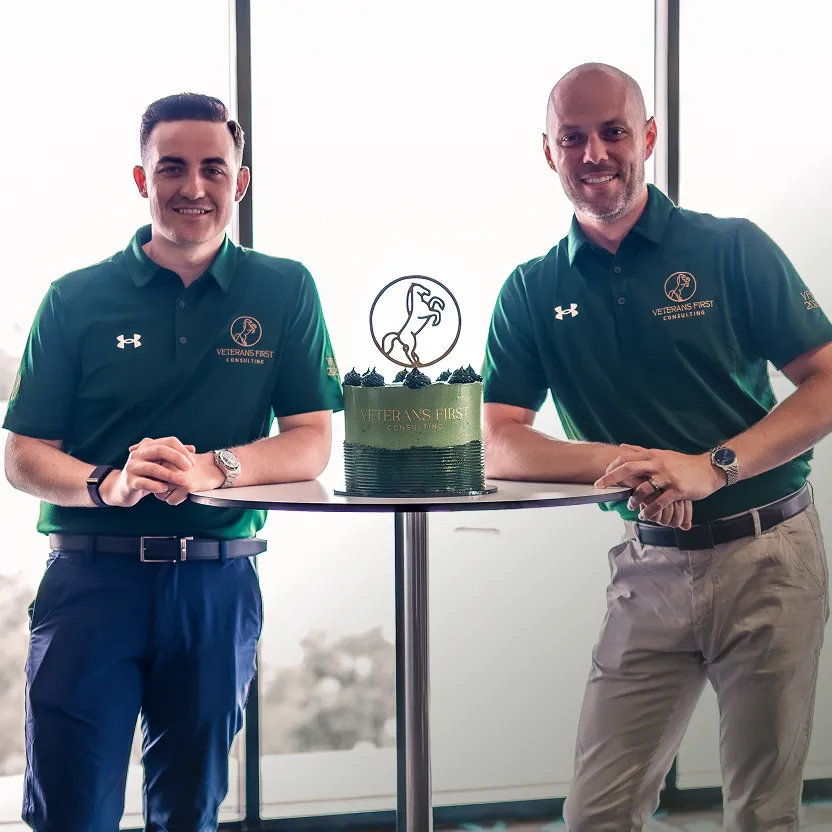
Veterans First Consulting is Australia’s largest independent advocacy group, dedicated to serving the best interests of every veteran in pursuing DVA compensation claims.

Veterans Helped
Secured in Payments
5-Star Reviews
Callback Time
Our Services
Lorem ipsum dolor sit amet consectetur. Pellentesque elit eget pellentesque varius tincidunt justo iaculis.
Permanent Impairment Claims
Lorem ipsum dolor sit amet consectetur. Pellentesque elit eget pellentesque varius tincidunt justo iaculis. A volutpat id proin nascetur. Cursus est vestibulum.
Initial Liability Claims
Lorem ipsum dolor sit amet consectetur. Pellentesque elit eget pellentesque varius tincidunt justo iaculis. A volutpat id proin nascetur. Cursus est vestibulum.
Incapacity Claims
Lorem ipsum dolor sit amet consectetur. Pellentesque elit eget pellentesque varius tincidunt justo iaculis. A volutpat id proin nascetur. Cursus est vestibulum.
Veteran Payments
Lorem ipsum dolor sit amet consectetur. Pellentesque elit eget pellentesque varius tincidunt justo iaculis. A volutpat id proin nascetur. Cursus est vestibulum.
Appeals and Veteran Review Boards
Lorem ipsum dolor sit amet consectetur. Pellentesque elit eget pellentesque varius tincidunt justo iaculis. A volutpat id proin nascetur. Cursus est vestibulum.
OUR STORY
Veterans First Consulting is Australia’s largest independent veteran advocacy group
We believe veterans deserve independent, unbiased & professional representation throughout the DVA claims process, to ensure they are fairly & accurately compensated.

Our Services
Lorem ipsum dolor sit amet consectetur. Pellentesque elit eget pellentesque varius tincidunt justo iaculis.
Expert Guidance to Secure Your Entitlements
Understanding whether you qualify for a Gold or White Card can be confusing. A small paperwork error or missing medical evidence could delay your benefits or leave you with limited coverage. Our specialists ensure your claim is accurate so you receive the full healthcare entitlements you deserve.
We Handle the Complexity, So You Get the Care
DVA’s eligibility rules for Gold & White Cards are complex, with varying criteria based on service history, medical conditions, and impairment ratings. Many veterans struggle with unclear requirements and long wait times. We take care of everything—from assessing your eligibility to lodging your claim—so you can focus on your health.
Proven Success with Thousands of Veterans
Too many veterans face difficulties accessing DVA-funded healthcare because of rejected claims or incomplete applications. Having supported over 10,000 clients, we can help you understand the requirements and prepare a clearer, more complete application.
Common DVA FAQs
Have other questions?
Contact us so we can help.
Lodge a DVA claim so DVA can assess whether your conditions are connected to your service. If DVA accepts liability for a service-related condition, that can support treatment access and may lead to further assessment for compensation or other benefits.
The exact outcome depends on your accepted conditions, evidence and DVA’s assessment. Professional help with how to make a DVA claim can help you avoid common evidence gaps and present your claim clearly for assessment.
The Gold Card provides access to clinically required medical treatment in Australia for all medical conditions.
The White Card covers clinically required treatment in Australia for accepted service-related conditions and may also cover eligible Non-Liability Health Care, depending on service.
The Orange Card gives eligible Commonwealth and allied Second World War veterans concessions on prescription medicines, wound care items and nutritional supplements, but not medical or other healthcare treatment.
Once DVA issues a Veteran Card, a digital version may be available through MyService, and some cards can also be added to the myGov wallet. Physical cards and Covenant items are sent separately. The Lapel Pin and Oath are sent separately from the card.
Yes. Reservists may apply for the Covenant Oath and Reservist Lapel Pin. Reservists with eligible service may also be able to apply for the Veteran Card and the relevant Lapel Pin, depending on their service and DVA eligibility.
No. The 2019 Act states that recognition does not create rights or obligations, so it does not change your pension, compensation or treatment. Those entitlements depend on accepted conditions through a DVA claim, which is a separate process.
No. Applying through MyService is free, and the Veteran Card, Lapel Pin and Oath are provided at no cost to eligible veterans. For online applications, you need access to MyService and enough service information for DVA to verify your eligibility.
Not quite. The Veteran Card is one of three items within the program, alongside the Lapel Pin and the Oath.The card may carry practical health and concession value, depending on the card type and your eligibility, while the program as a whole is about formal recognition of your service.
You can speak with experienced DVA claim specialists who understand how claims are assessed. I work with former DVA delegates and DVA claim specialists who help veterans prepare clear, complete claims. Start by reviewing how to make a DVA claim to understand the process before you begin.
If a service-related condition limits your work capacity, a claim may help DVA assess whether you are eligible for support while you recover, retrain or look for suitable work. DVA incapacity payments may apply when an accepted service-related condition affects your ability to work. This support depends on your accepted conditions and DVA’s assessment, and in my experience, a clearly prepared claim gives DVA a stronger evidence base to assess your entitlements and can reduce avoidable back-and-forth.
Members leaving for injury or medical reasons may be eligible for tailored transition support, including PCEP or Transition for Meaningful Engagement, depending on their circumstances. Your Defence transition process, DVA compensation claim and any DVA rehabilitation support are separate, although they may interact. DVA rehabilitation support generally depends on an accepted compensation claim and assessed needs.
Reservists may qualify, but eligibility is not automatic and depends on service history, including continuous full-time service. CTAS is available to Permanent and Reserve Force members who have rendered continuous full-time service. You will usually need to apply rather than assume you are covered.
Career Transition Training may cover up to $5,320 in approved training and education expenses for eligible members. The exact amount and what it covers depend on your eligibility and your post-transition goals. Your Transition Support Officer can confirm what applies to your situation.
Yes. You can apply for Career Transition Training while still serving or up to 24 months after leaving the ADF. Other programs like VetPaths and university pathways are open to former members too. The sooner you start, the more options you tend to have.
CTAS is an older terminology still used in some DVA rehabilitation policy material. For current transition support, Defence guidance and PACMAN should be used to confirm eligibility for programs such as Career Transition Training, coaching and other employment assistance.
Call Open Arms to talk through eligibility for counselling. For claims that may support access to broader family-related entitlements, our team can review your situation.
Yes, for Open Arms. The service is tied to the ADF service, not to a claim outcome, so your family can access support regardless of claim status.
No. Accessing Open Arms counselling is independent of any claim and will not count against you. We always encourage families to seek support early.
Former partners are generally eligible for Open Arms support within five years of separation or while co-parenting a child under 18 with an eligible member.
Dependent children of veterans can access Open Arms counselling. Sons and daughters of any age of living Gold Card holders are also eligible, regardless of how long ago their parents served.
Open Arms offers 24/7 telephone support, so you can speak to someone immediately. Scheduled counselling sessions are arranged after your first contact.
Yes, through Open Arms. DVA does not fund private psychologists or social workers for couples therapy, so Open Arms is the correct service for relationship and couples counselling.
No. Open Arms provides free, confidential counselling to eligible family members without any card or approved claim. Card-funded treatment through a Gold or White Card is a separate pathway with its own eligibility rules.
Yes. If an attendant travels with you for treatment covered by your Veteran Card, DVA may reimburse their reasonable travel expenses. If you and your attendant stayed in separate rooms, DVA will reimburse the single accommodation rate for each of you.
From 1 July 2026, travel for treatment claims for trips taken on or after that date will be assessed under the improved MRCA. The private vehicle rate increases to $0.68 per km for all eligible cardholders, the 50 km return trip minimum for MRCA claims is removed and a single claiming procedure replaces the current multi-Act system.
Yes. Under the MRCA, DVA may reimburse travel costs for attending a VRB hearing or obtaining medical evidence to support your claim. VEA cardholders may also claim for similar purposes; refer to the VEA travel expenses page for applicable rates.
DVA will cover healthcare expenses on a cruise ship for accepted service-related conditions (excluding NLHC) when treatment occurs in international waters. If you are in Australian waters at the time of treatment, your full domestic Gold Card entitlements apply.
You can notify DVA through MyService via myGov or by calling 1800 VETERAN. DVA will provide information on what medical care you are entitled to receive overseas and how to apply for prior financial approval for non-urgent treatment.
Under the MRCA, the current rate is $0.68 per kilometre. Under the VEA, the current rate is $0.44 per km. From 1 July 2026, the MRCA rate of $0.68 per km will apply to all eligible Veteran Card holders under the VETS Act reforms.
Your Gold Card provides comprehensive healthcare coverage within Australia only. When travelling internationally, DVA will reimburse medical treatment for accepted service-related conditions, but general health care is not covered. DVA recommends all cardholders arrange separate travel insurance before travelling abroad.
No. DVA does not issue travel insurance policies. What DVA provides is a Travel for Treatment reimbursement program for eligible Veteran Card holders attending approved medical appointments. For international travel, DVA strongly recommends purchasing separate travel insurance to cover general health conditions, as DVA's overseas support applies only to accepted service-related conditions.
RAP provides aids, equipment and home modifications. Gold Card holders can access all conditions. White Card holders access RAP for accepted conditions only. Access usually starts with an assessment by a GP or another qualified health professional, depending on the item, and some requests need DVA approval before supply.
If you are already on a VVRS plan, DVA says your support will not simply stop on 1 July 2026. Open plans will transition to MRCA rehabilitation, with existing supports protected during that change.
Yes. Open Arms provides free, 24-hour counselling and support for eligible veterans and their immediate families. One common pathway is at least one day of continuous full-time service, and some reservists may also be eligible. Connecting with Open Arms can be part of your medical management rehabilitation plan, though Open Arms operates independently of DVA's rehabilitation program. Read more in our guide to veterans recovery programs.
Rehabilitation and permanent impairment assessment are separate processes. However, accepted conditions are only the starting point. Your impairment points are determined through DVA’s assessment of the medical impairment and lifestyle impact of your accepted conditions, and your service type can affect the permanent impairment entitlements that apply.
There is no fixed duration. Plans are reviewed regularly based on your goals and circumstances. If your condition worsens or your situation changes, you can request a new plan at any time.
You can raise concerns directly with your rehabilitation consultant or DVA delegate. If you still disagree with the outcome, you may be able to request a formal review of the decision. Learn more about the process in our guide to DVA appeals.
DVA does not fund tertiary study as a standalone expense. Education or retraining is only supported when it forms part of an approved vocational rehabilitation plan with a clear return-to-work goal attached.
Generally, no. DVA rehabilitation requires at least one condition accepted under the MRCA or DRCA. However, if you are receiving the Veteran Payment for an undetermined mental health claim, you may be eligible for a rehabilitation plan while your claim is assessed.
The DVA's ex-service organisation information includes an Advocacy Register where you can search for ESOs and free advocacy services by location. State government websites, such as the WA Government's ex-service organisations directory, also publish lists of registered charities and support programs for veterans.
Many veteran charities extend their services to family members. Legacy specifically focuses on the families of fallen and injured veterans. Open Arms provides individual, couple and family counselling. Mates4Mates supports families of serving and ex-serving members impacted by service. DVA also funds family support through dedicated programs. Our blog on veteran family statistics covers the data on how families are affected by service.
The DVA Gold Card is a healthcare entitlement issued by DVA, although a charity or advocate may help with the claim or support pathway that leads to eligibility. You become eligible when you reach 60 or more MRCA impairment points, receive the Special Rate Disability Pension (SRDP) or meet certain age-based criteria. Our Gold and White Card service explains the eligibility pathways in detail.
No. These services address different needs and are designed to work alongside each other. Many veterans we support are also receiving counselling through Open Arms, attending peer programs or are active in their local RSL at the same time as progressing a formal DVA claim.
DVA funds several mental health pathways. The Non-Liability Health Care program can fund treatment for PTSD, depression, anxiety and substance use disorders without requiring a formal service connection, but access is through a White Card with mental health cover or a Gold Card. Eligible veterans with at least one day of continuous full-time service, and some reservists who meet specific criteria, may qualify.
Open Arms – Veterans and Families Counselling is a DVA-funded mental health service, not a charity. It is available at no cost to veterans and their families, but it is administered as a government service rather than a donation-funded organisation.
Some ESOs and charities may provide general support or advocacy. Veterans First Consulting provides guidance to help veterans engage with the DVA process, including requirements and documentation involved in applications. Our team includes former DVA delegates with experience in how applications are assessed.
Veterans' support charities provide welfare, crisis support and mental health services. Veterans First Consulting provides independent, dedicated support to help veterans engage with the DVA system and understand available pathways under the MRCA. We are a paid service, and we explain our approach clearly during consultation. Find out more on our DVA claims services page.
Conditions arising before 1 July 2004 are assessed under the DRCA, which operates a separate lump-sum-only payment model. If your injury crosses both periods, the MRCA applies. Speak with our team about which legislation covers your specific situation.
In February 2025, the Australian Parliament passed the Veterans’ Entitlements, Treatment and Support (Simplification and Harmonisation) Act 2025, commonly known as the VETS Act. From 1 July 2026, the VEA and DRCA will close to new compensation claims, and all new claims from that date will be assessed under an improved MRCA. Existing recipients will not see any reduction in current payments, which will be continued and indexed under “grandfathering” arrangements.
No. DVA confirms that PI payments, whether received as periodic payments or a lump sum, are tax-free. For personal financial advice based on your full circumstances, speak with a qualified financial adviser.
Yes. PI compensation covers non-economic loss, such as pain, permanent functional limitations and how your accepted conditions affect your lifestyle. Incapacity payments replace income you have lost because your service-related conditions reduce your ability to work. As long as you meet the eligibility criteria for each, PI and incapacity payments can be received at the same time. Over time, your incapacity payments will usually reduce as your earning capacity improves or you return to work.
Pre-existing conditions are not automatically excluded. DVA assesses whether your service materially contributed to or aggravated the condition. Only the portion of impairment directly linked to service is compensable, but that portion still counts.
Yes. MRCA covers both physical and psychological conditions. PTSD, depression, anxiety and other accepted mental health diagnoses can all be assessed for impairment points. A psychiatrist, not a psychologist, conducts the formal permanent impairment assessment for DVA purposes.
No. IMEs are commissioned when existing medical evidence is insufficient for DVA to make a determination. Many claims are decided without one. However, complex claims involving multiple conditions are increasingly likely to involve an IME referral, given the average claim now involves more than four conditions.
DVA covers the cost of your IME. Updated fee guidance came into effect on 9 February 2026, increasing rates for practitioners to bring them in line with comparable jurisdictions. There is no cost to you as the veteran for this appointment.
Contact your DVA delegate and ask for a copy of the report. If you believe it contains inaccuracies, raise those concerns straight away and provide any further medical evidence that supports your position. If DVA later makes a decision you disagree with, you may have review rights through the Veterans’ Review Board and then the Administrative Review Tribunal.
The IME practitioner is not an advocate for you or for DVA. Their role is to provide an independent clinical opinion. What you can control is how well-prepared you are, how accurately you describe your symptoms and whether your treating doctor's reports have given them complete information to work with.
You can request a chaperone for your IME. You may also be able to have a support person present, but this usually needs to be arranged in advance and will depend on what the practitioner considers appropriate for the assessment. If you have anxiety around medical settings or are claiming a mental health condition, raise this early with the provider so they can explain your options clearly.
If your fracture is accepted by DVA, you may be eligible for a DVA White Card covering treatment for that accepted condition. Veterans who reach 60 or more impairment points across all accepted conditions may qualify for a DVA Gold Card, which covers all clinically necessary treatment regardless of service connection. Our DVA Permanent Impairment Rates guide explains what entitlements become available at different impairment levels.
Current DVA data shows the full process from initial claim to permanent impairment determination can take 2 to 3 years. After your DVA Permanent Impairment Assessment Form is submitted, the outcome can take up to 12 months, though timeframes vary depending on case complexity and DVA workloads. Our DVA Claims Timeframe guide explains the process in detail.
Yes, and we recommend it. DVA allows veterans to include multiple conditions in the same claim, and any accepted conditions are then combined using a specific formula when impairment points are assessed. Getting all your eligible conditions onto your claim from the start is often the most effective approach. See our guide on What Can I Claim From the DVA? for a full overview.
Yes. Fractures commonly lead to secondary conditions like osteoarthritis, nerve damage, or chronic pain that can be claimed in addition to the original fracture. If a secondary condition has developed because of your accepted fracture, you may be eligible to claim for that as well. Our DVA Osteoarthritis Claims guide explains how secondary claims work.
Impairment points for fractures are assessed under the Guide to Determining Impairment and Compensation (GARP M), based on the body part affected and the degree of functional loss. Factors include range of motion, malunion, and the impact of the condition on daily functioning and lifestyle. The minimum threshold to access permanent impairment entitlements under MRCA is 10 impairment points. Learn how the system works in our DVA Impairment Points Table guide.
Yes. DVA claims are assessed based on the permanent impairment that remains, not just the original injury event. If your healed fracture has left you with limited movement, chronic pain, malunion, or other lasting effects, you may be eligible for further entitlements and support. Read more about how permanent impairment works in our DVA Permanent Impairment guide.
Yes, if your fracture occurred during or as a result of your ADF service, you can lodge an initial liability claim to have the condition accepted by DVA. Once accepted, you may be eligible for permanent impairment entitlements under MRCA depending on the residual impairment the fracture has caused. Learn more in our Initial Liability Claims guide.
Sleep apnea is assessed as a cardiorespiratory condition under the Guide to Determining Impairment and Compensation (GARP M). The points awarded depend on the level of impairment caused by your accepted condition and its effect on your daily life, based on the medical evidence DVA uses in its assessment. More severe, untreated, or treatment-resistant cases generally attract higher impairment points. For additional detail, see our DVA Impairment Points Table guide.
Yes. If you have existing accepted conditions, you can lodge an additional claim for sleep apnea, particularly if it connects to a condition DVA has already recognised. If your accepted conditions have worsened, you may be able to lodge a claim for additional permanent impairment entitlement.
If your sleep apnea is accepted by DVA, your treatment, including CPAP equipment, masks, and consumables, may be covered through your DVA healthcare card. Gold Card holders can access treatment for all conditions; White Card holders access treatment for accepted service-related conditions only. Refer to our DVA Treatment Entitlements guide.
DVA generally needs a formal diagnosis supported by a sleep study and specialist evidence, along with medical evidence linking the condition to service or to another accepted condition where relevant. You'll also need evidence linking your condition to service, either a direct connection or through a secondary relationship with an already-accepted condition. Our team helps you identify and gather the right evidence for your specific circumstances.
Yes. You can lodge claims for both sleep apnea and PTSD. If both conditions are accepted, DVA combines the impairment from accepted conditions when working out your total impairment rating. Where sleep apnea is claimed as consequential to another accepted condition, the connection must still be supported by medical evidence and the applicable Statement of Principles. For additional detail, see our DVA Mental Health Claim guide.
DVA requires evidence that links your sleep apnea to your service, either directly or through a secondary condition already accepted by DVA. For secondary claims, you'll need medical evidence showing how your accepted condition contributed to your sleep apnea. Our team helps you build that connection through the right documentation. You can find more information about the initial liability process in our DVA Initial Liability guide.
Yes, sleep apnea is a claimable condition under MRCA if you can establish a connection to your service. It can be claimed directly, or as a consequential condition where medical evidence and the applicable Statement of Principles support the link to another accepted condition. You’ll need a formal diagnosis supported by a sleep study and specialist assessment, not just a CPAP prescription. See our DVA Sleep Apnea guide for more information.
Yes. A single exposure event, such as working around asbestos on a Navy vessel, can lead to multiple health conditions over time. Each condition can be claimed separately, and combined impairment points may affect your overall level of entitlements, including potential eligibility for a Gold Card at 60 or more points, which can provide broader access to DVA-funded treatment. Learn more in our DVA Permanent Impairment guide.
If your claim under MRCA or DRCA was lodged between 18 June 2017 and 30 June 2026, you may be able to access treatment through the Provisional Access to Medical Treatment (PAMT) program while your claim is being assessed. If DVA later accepts your condition, you may be issued a Veteran White Card for that accepted condition or, in some cases, a Veteran Gold Card based on your overall level of impairment and service. These cards provide DVA-funded treatment, but what’s covered depends on your eligibility and the type of card you hold. More details in our DVA Provisional Access to Medical Treatment guide.
From initial lodgment through to a permanent impairment determination, DVA data shows it’s common for the full process to take around 2 to 3 years, and sometimes longer, depending on medical assessments, evidence gathering and DVA processing times. Some straightforward permanent impairment claims may resolve in about 12 months, but this should be viewed as a minimum rather than a guarantee. For typical processing stages and timelines, visit our DVA Claims Timeframe guide.
Impairment points vary depending on the specific condition, its severity and how it affects your daily life. Respiratory conditions, cancers and organ damage can each attract significant points. When multiple conditions stem from the same exposure, they can be claimed together and may combine under DVA's assessment framework. For a full breakdown of impairment ratings, see our DVA Impairment Points Table guide.
Service records, deployment history, your specific role in the ADF and the locations where you served all help establish exposure. For Navy veterans, DVA recognises that asbestos was likely to be present on certain listed RAN vessels between 1 January 1940 and 31 December 2010, so if you served on one of those ships during that period you generally don’t need to prove exposure individually. Our team helps you compile the right evidence to support your claim. See details in our DVA Initial Liability guide.
Asbestos exposure can lead to conditions including mesothelioma, asbestosis, lung cancer and pleural thickening. Chemical exposure to substances like beryllium, cadmium, lead or firefighting foams can cause respiratory, cardiovascular, neurological and other conditions. If a qualified specialist confirms the link to your service, you can claim. For more details on eligible conditions and entitlements, see our What Can I Claim From the DVA? guide.
Yes. If you developed a health condition linked to asbestos exposure during your ADF service, you can lodge a DVA claim under MRCA. You'll need to show a connection between your service, the exposure and your diagnosed condition. DVA assesses each claim on a case-by-case basis. For step-by-step instructions, see our How to Make a DVA Claim guide.
Yes, we support veterans throughout Southeast Queensland, including Ipswich, Amberley, and surrounding areas. Whether you're still serving at Gallipoli Barracks, transitioning from Amberley, or already settled in the Gold Coast or Logan region, we provide the same comprehensive service through virtual consultations and local provider coordination.
DVA recently issued compliance notices to several medical companies and sanctioned some providers over quality concerns. Some Canberra veterans have had to redo assessments, causing delays and uncertainty. We only work with reputable local providers whose reports meet DVA standards, protecting you from these complications.
Yes. Many Canberra veterans transitioning from Russell Offices, Campbell Park, or intelligence roles wait to claim, but you can lodge while still serving or after discharge. Service-related conditions don't disappear when you change careers. We work with veterans throughout their transition, understanding the unique pressures of Defence headquarters roles.
From 1 July 2026, all new claims will be processed under an improved MRCA system as VEA and DRCA close to new claims. If you submit before then, your claim will be processed under current legislation. Claims already lodged will continue under existing rules. We help you understand how timing may affect your claim and ensure your documentation is complete before the changeover.
RSL Tasmania and VeteranHub provide valuable community support and basic claims lodgement assistance. We’re professional DVA claims specialists who manage complex permanent impairment claims, coordinate medical assessments and handle all DVA communication to help you understand and access the full range of entitlements available to you. We charge a fee only when a claim is accepted by the DVA, and we explain this structure clearly before you decide whether to proceed. Our focus is on providing specialist support for complex claims by coordinating medical evidence, managing DVA communication and guiding you through the process from start to finish, alongside the community support offered by organisations like RSL Tasmania and VeteranHub.
Yes. We regularly work with current serving members who are planning their transition. Starting your claim preparation before discharge means we can gather evidence while it's fresh and help you access treatment, support and entitlements sooner after you leave service. Virtual consultations make this easy regardless of your posting location.
You can start your claim while still serving. Many veterans from the 1st Brigade begin the process before discharge so their entitlements and support can be in place soon after transition. We'll work around your posting schedule and operational commitments to help you prepare your claim thoroughly from the start.
Absolutely. We provide virtual consultations for veterans across the entire Northern Territory, from Darwin and Palmerston to Katherine, Alice Springs, Nhulunbuy and remote communities. Our service isn't limited by location; we've helped veterans in some of Australia's most remote areas access their DVA entitlements.
Yes, we support veterans across all Melbourne metro areas and surrounding regions. Whether you're near Simpson Barracks in Watsonia, HMAS Cerberus on the Mornington Peninsula, or anywhere in greater Melbourne, we provide the same expert service through virtual consultations and local provider coordination.
Absolutely. We work with both current serving and ex-serving ADF members. Many veterans at Williamtown base and across the Hunter region use our service while still serving. We understand the unique challenges of lodging claims during active service and can start the process before your discharge.
Veterans First Consulting is a professional, paid service dedicated exclusively to DVA claims. While ESOs offer free support, we provide dedicated professional advocacy delivered by former DVA delegates who understand the system inside and out, ensuring veterans receive informed, structured support throughout their claim, including complex permanent impairment claims. We don’t charge any upfront fees for our assistance. Our dedicated approach means timely responses and thorough claim preparation, helping ensure key information and evidence are clearly presented for veterans in Perth.
Absolutely. Many Perth veterans work fly-in, fly-out roles in WA's mining sector, which can complicate medical appointments and assessments. We coordinate your claim around your roster, arrange virtual consultations and work with medical providers who offer flexible appointment times. Your FIFO schedule won't delay your claim when you work with us.
Your posting history doesn't affect claim eligibility, but it can complicate evidence gathering. We track your service across different locations and units, coordinating with medical providers from your various postings. If you've moved between bases during your service, we ensure all relevant medical records and incident reports are captured.
Yes. Many current serving members at Lavarack start their claims before discharge. We work with soldiers, officers, and personnel across the 3rd and 11th Brigades and other units. Starting your claim early can reduce delays after you transition, and we handle everything discreetly while you're still in uniform.
Yes. We coordinate assessments with qualified providers across all of Townsville and regional towns and cities in Far North Queensland. If you are stationed at Lavarack, living in the Northern Beaches, or based in surrounding communities like Ayr, Ingham, Charters Towers, or Magnetic Island, you don't need to travel to the CBD for appointments if providers in your area are more convenient.
No. We conduct all consultations virtually, which works particularly well for Townsville veterans. You'll receive the same expert support whether you're in Townsville or Far North Queensland, without taking time away from work or family.
Current DVA data shows initial liability claims can take around 2 to 3 years to process, and permanent impairment claims can take an additional 12 months or more, particularly where further information or clarification is needed. Our role is to help you lodge a complete, well-documented claim that meets DVA requirements from the outset. This may help reduce avoidable back-and-forth and support a smoother claims process. We also stay in contact with DVA on your behalf and respond promptly to any requests for information.
Yes. We coordinate assessments with qualified providers across all Sydney regions, including Holsworthy Barracks, Victoria Barracks, Western Sydney and the greater metropolitan area. You don't need to travel to the CBD for appointments if providers in your area are more convenient.
No. We conduct all consultations virtually, which works particularly well for Sydney veterans. You'll receive the same expert support whether you're in the CBD, the southern or northern suburbs, or regional NSW, without taking time away from work or family.
Current DVA data shows initial liability claims can take around 2 to 3 years to process, and permanent impairment claims can take an additional 12 months or more, particularly where further information or clarification is needed. Our role is to help you lodge a complete, well-documented claim that meets DVA requirements from the outset. This may help reduce avoidable back-and-forth and support a smoother claims process. We also stay in contact with DVA on your behalf and respond promptly to any requests for information.
Yes. We coordinate assessments with qualified providers across Perth and all regions of Western Australia. You don't need to travel to the CBD for appointments if providers in your area are more convenient.
No. We conduct all consultations virtually, which works particularly well for Perth and WA veterans. You'll receive the same expert support whether you're in the CBD, outer suburbs, or regional areas of Western Australia, without taking time away from work or family.
Having been in your position, using unreliable advocacy, I know how hopeless and alone you feel. Let us support and guide you through the legislation. We work for you.
GET STARTED
Start your free claim today
We've already supported over 10,000 clients. Leave us a note and someone will be in touch to discuss how to proceed with your new claim or claim reassessment.
Zero upfront fees, you only pay for successful claims
We’ve already helped over 10,000 veterans
Over $800M paid out in Permanent Impairment claims