Senior Housing for Veterans: Your DVA Entitlements Explained
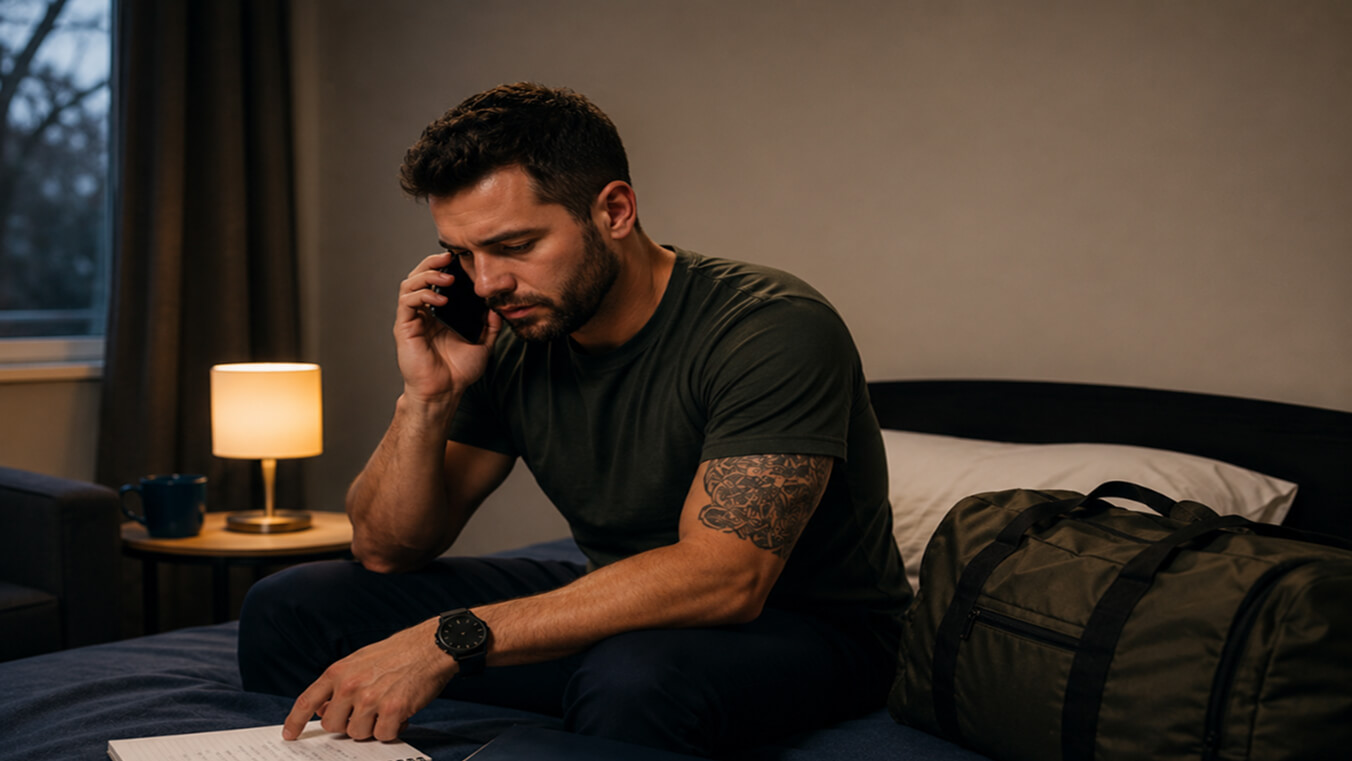
Senior housing for veterans in Australia covers more ground than most people realise. Service-related injuries, difficult transitions from ADF employment and genuine confusion about DVA entitlements leave many veterans either missing out on support they have earned, or in too many cases, without adequate housing altogether. This guide explains the programs available, what they cover and why the right DVA entitlements can play an important role in your long-term housing security.

Start Your Claim Today
Get expert help with the entire claims process and secure the entitlements you deserve. With zero upfront fees, you only pay for successful claims.
In this Article:

The Housing Reality for Senior Australian Veterans
The scale of housing insecurity among Australia’s veteran community is significant, and it does not get the attention it deserves. The Australian Institute of Health and Welfare cites research estimating that about 5,800 transitioned ADF veterans experience homelessness in a 12-month period, compared with 1.9% of the broader Australian population. That gap matters, and it is not inevitable.
Physical injuries, mental health conditions and the financial pressures of moving from ADF employment to civilian income all play a role. What far too many veterans do not realise is that their DVA entitlements can improve access to in-home and aged care supports and ease day-to-day housing pressure.
Why Your DVA Claim Is the Foundation of Housing Support
A DVA White Card or Gold Card does a lot more than cover healthcare. From DVA-funded home care assistance to Household Services compensation for accepted conditions under the Military Rehabilitation and Compensation Act 2004 (MRCA), your card status and your accepted conditions determine what housing-related support you can access. If you do not yet have an accepted condition or a valid DVA card, our DVA claims services team can assess your eligibility and help you take the first step.
DVA Home Ownership Support for Veterans
Two government schemes support veteran home ownership, and which one applies to you depends on when you served.
Defence Home Ownership Assistance Scheme (DHOAS)
The DHOAS, administered by DVA on behalf of the Department of Defence, provides eligible current and former ADF members with a monthly subsidy on the interest of their home loan. The scheme is structured across three tiers based on length of service, with higher tiers providing greater subsidies and larger loan limits. To be eligible, you must have served on or after 1 July 2008 and completed a minimum of two years of consecutive permanent ADF service, or four years of effective Reserve service.
From January 2023, the government significantly expanded access to DHOAS, halving the minimum qualifying service requirements and removing the previous five-year deadline that prevented separated veterans from accessing their entitlement. The scheme is administered through three approved lenders:
- National Australia Bank (NAB)
- Defence Bank
- Australian Military Bank
Veterans who received a medical discharge may qualify for DHOAS even without meeting the standard minimum service period. If you separated for medical reasons and have not yet explored this entitlement, it is worth checking directly with DVA.
Defence Service Homes for Earlier-Service Veterans
The Defence Service Homes (DSH) scheme offers subsidised housing loans to eligible ADF members who first joined the service prior to 15 May 1985. If your service falls into that period, you may be entitled to a DSH subsidised home loan, even decades after discharge. For a full overview of both home loan schemes, our guide to housing entitlements for veterans covers the eligibility rules in plain language.
Staying Independent at Home: DVA In-Home Support Programs
For most senior veterans, the goal is to remain in their own home for as long as possible, not to move into residential care. DVA offers several programs to support this, and your eligibility depends on your card type and your assessed care needs.
Veterans' Home Care Program
The Veterans' Home Care (VHC) Program provides practical, low-level support to eligible Gold Card holders and eligible White Card holders for specific conditions and/or Non-Liability Health Care who are living at home and have difficulty managing daily activities because of functional limitations. Services covered include:
- Domestic assistance (cleaning and laundry)
- Home and garden maintenance
- Personal care
- Several forms of respite care
- In-home respite including residential respite
- Emergency short-term home relief
To access VHC, contact the VHC Assessment Agency. The assessor will discuss your circumstances and connect you with a local provider. Keep in mind that VHC is designed for low-level care needs. If your situation is more complex, DVA will refer you to additional programs.

Household Services and Attendant Care
If you have an accepted service-related condition under the MRCA, you may be eligible for Household Services compensation to help with routine domestic tasks you can no longer manage due to that condition, such as:
- Cleaning
- Laundry
- Lawn mowing
- Gutter cleaning
Attendant Care covers regular personal care tasks you can no longer manage independently.
These are compensation entitlements, not simply programs. Because they sit alongside rather than duplicate VHC, you cannot receive DVA-funded domestic assistance through VHC if you are already receiving Household Services, but respite care remains accessible through VHC regardless. Our DVA household services guide explains how these services interact.
One important update: from 1 July 2026, all new claims for Household Services and Attendant Care will be assessed under the MRCA, regardless of when you served. From that date, the MRCA framework will apply to all new claims for these supports.
DVA Community Nursing Program
For veterans who need clinical support at home, such as:
- Wound care
- Medication management
- Recovery after a hospital stay
The DVA Community Nursing Program provides nurse-delivered care in your own residence. Your GP, treating doctor, hospital discharge planner or a nurse practitioner specialising in community nursing can provide a written referral to a DVA-approved community nursing provider. No additional DVA application is required.
DVA Rent Assistance: Support for Veterans Who Rent
If you are a senior veteran who rents privately and receives DVA income support, you may be eligible for DVA Rent Assistance, a supplementary fortnightly payment that helps cover housing costs. DVA Rent Assistance is available to eligible veterans receiving a:
- Service Pension
- Income Support Supplement
- Veteran Payment
To qualify, you must receive one of these payments and pay eligible rent to a private landlord or community housing provider.
This payment is assessed automatically as part of your income support, so no separate application is required. To receive it, you must be on an eligible DVA income support payment and paying eligible rent. Our DVA incapacity payments guide explains how income-linked support works for veterans with service-related conditions.
Residential Aged Care: What DVA Covers
When in-home support is no longer enough to meet a veteran's needs, residential aged care may be the right pathway. Veteran Card holders who are unable to live independently may be eligible for DVA support with the costs of residential aged care, including assistance with daily living and complex nursing care. DVA has published a companion guide: The Veteran's Guide to Moving Into an Aged-Care Home, to help veterans and their families work through this process, available directly from the DVA website.
The 2025 Aged Care Act Changes
This is a significant development that all senior veterans and their families should know about. The new Aged Care Act commenced on 1 November 2025, introducing the Support at Home Program, which replaces the previous Home Care Packages Program and the Short-Term Restorative Care Program. Support at Home provides access to services, equipment and home modifications to help eligible Australians, including veterans, remain healthy and active at home.
Existing DVA card entitlements remain in place. DVA has confirmed that services for eligible veterans and war-widowed partners continue unchanged. However, costs and contributions for residential aged care have been updated under the new Act, so reviewing your financial obligations is worthwhile if you or a family member are approaching that transition.
DVA's Veterans' Supplement
Veterans and war widows may access both DVA-funded services and My Aged Care services simultaneously, as long as services are not duplicated for the same need. If you have an accepted service-related mental health condition, your aged care provider may receive extra funding through DVA's Veterans' Supplement, designed to help providers deliver care appropriate to your circumstances, whether in residential or home care. Speak with DVA on 1800 VETERAN to check whether this applies to you.
Emergency and Crisis Housing: When It Becomes Urgent
For veterans facing immediate housing insecurity, dedicated crisis pathways exist. The DVA Veterans' Acute Housing Program, with 13 grants awarded to 10 ex-service organisations and community housing providers in February 2025, provides up to $30 million in targeted funding to expand crisis and transitional housing stock across Australia. The program is partly funded through the Australian Government's Housing Australia Future Fund, with $24 million allocated to capital works and $6 million to specialist wraparound services.
A one-off, non-taxable DVA Crisis Payment may also be available if you are facing severe financial hardship and need to establish yourself in a new residence. Our detailed veterans’ housing guide covers emergency and transitional housing options state by state if you need more specific local information.

How DVA Entitlements Connect to Housing Security
This is the link that most veterans miss, and it is the most important point in this guide.
A successful DVA claim can improve access to treatment, care and housing-related entitlements linked to your accepted conditions. It can also improve your access to the housing-related entitlements discussed throughout this post.
Depending on your circumstances, this may include:
- Treatment for accepted conditions through an eligible DVA White Card
- Access to services such as the VHC Program and DVA Community Nursing, where program criteria are met
- Separately assessed Household Services compensation
- Broader access to DVA-funded treatment through a DVA Gold Card, if you reach 60 or more MRCA impairment points
Even where a Gold Card or White Card is in place, in-home and aged care services still depend on the rules of each individual program.
How These Entitlements Connect in Practice
Our page on DVA Gold and White Cards explains how these entitlements connect in practice. For veterans whose service-related conditions have limited their ability to manage housing or daily tasks, a Permanent Impairment (PI) claim may also support access to Household Services and Attendant Care entitlements that help maintain independence at home.
If your condition has worsened since lodging your PI claim, you may be able to seek a reassessment of your compensation. Our guide to DVA permanent impairment claims service explains how the process works.
Housing Security Starts With Knowing What May Be Available
Senior housing for veterans covers a wide network of entitlements, from your DVA card status to your assessed care needs and accepted conditions. Our role is to help you understand your DVA entitlements and provide clear guidance on the claims process and available support. Contact Veterans First Consulting to speak with our team about your situation and the options that may be available to you.
Written by
START YOUR CLAIM
Book a Free Call
Join more than 10,000 veterans in getting the support they deserve. Leave us a note and our experts will be in touch shortly to discuss your new claim or claim reassessment.
Zero upfront fees – only pay for successful claims
10,000+ veterans served – we know what we're doing
Australia's largest DVA advocacy group
Explore Related Articles

Homes for Disabled Veterans Program: Essential Housing Support and Modifications for Australian Veterans

A Comprehensive Guide to Veterans Housing Programs and Support